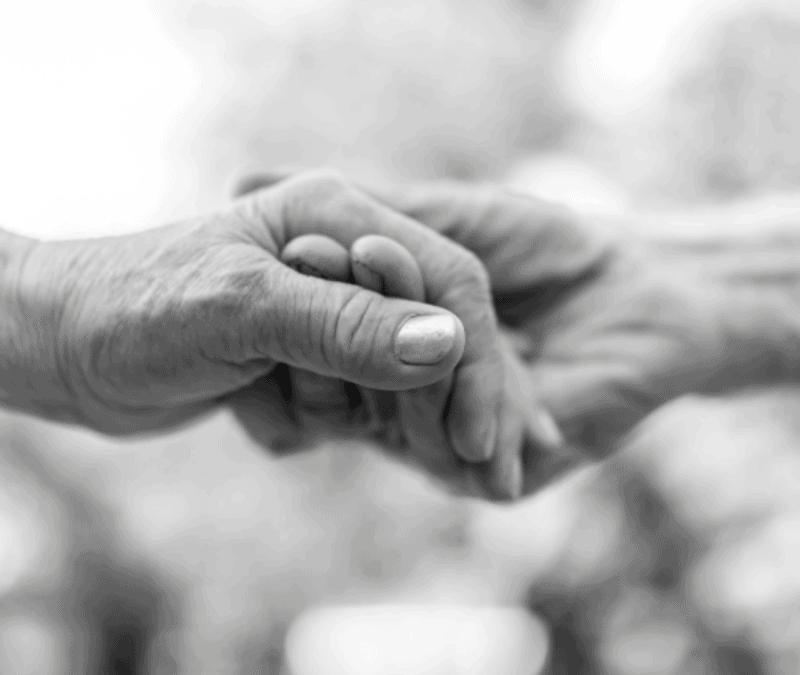
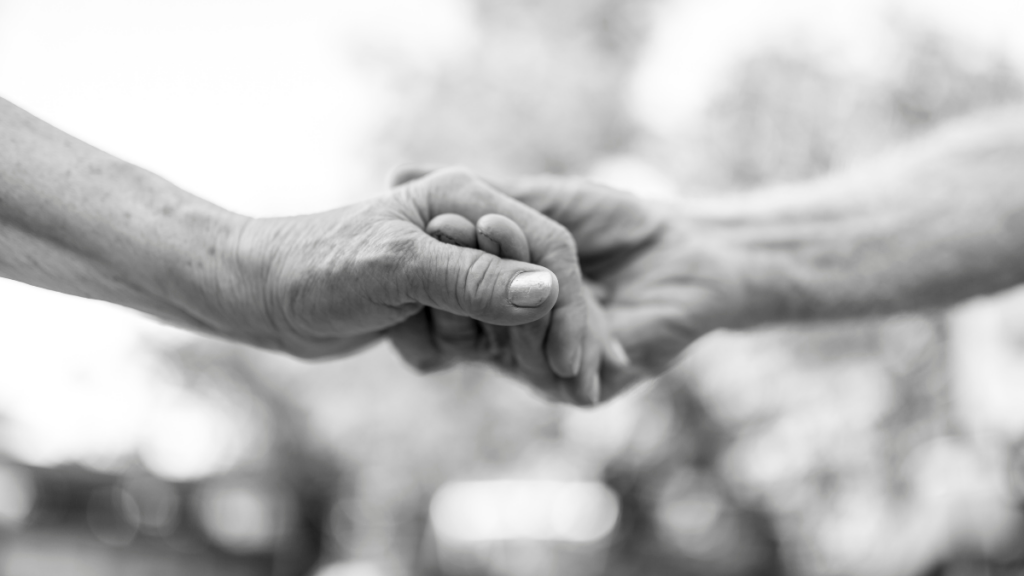
I’m delighted to introduce to you a brand new Campaign “Hold My Hand” to raise awareness for Blood Cancer.
I’m working with one of the leading Ambassadors for Tropic Skincare, Carol Massey, to bring you a real treat whilst raising money for the blood cancer charity DKMS.
Why?
As a former oncology nurse, I know the power of touch which can often say so much more than words in times of difficulty and sadness. .
One of the many things we felt a huge sense of loss with during the Pandemic. We know how nurturing it is to feel the power of touch. A simple gesture which can show so many emotions from empathy, friendship and love. A simple but powerful gesture to show you care and understand.
What is the “Hold My Hand” Campaign?
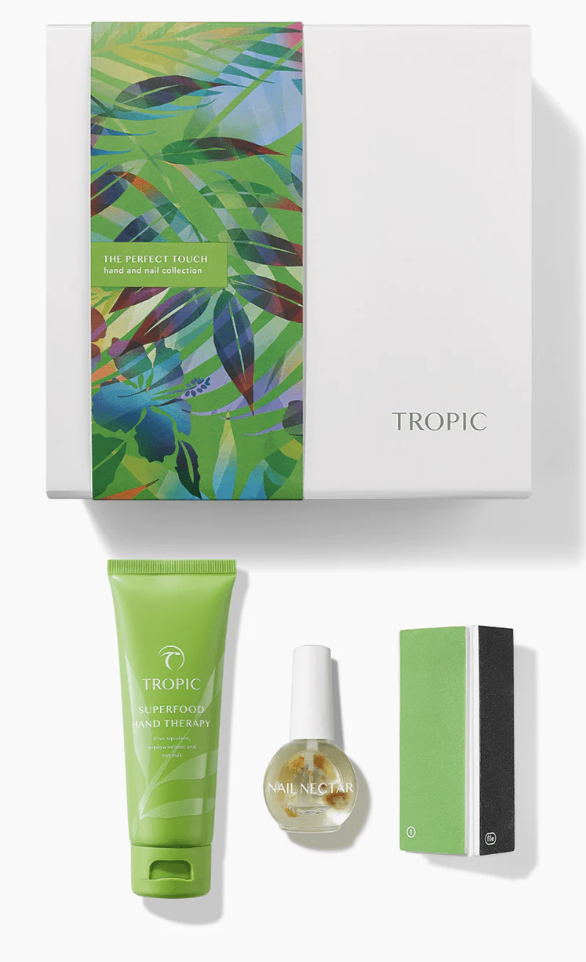
The Perfect Touch Collection, from Tropic Skincare, is a beautiful collection of 3 products that will nourish, strengthen and repair your hands, perfect for hand holding!
The Hold My Hand campaign is a collaboration between Tropic Skincare Ambassador Carol Massey and myself.
For every Perfect Touch Collection sold, £5 will be donated to the Mission5o for DKMS, the blood cancer charity. (Please using the special QR code or link featured in this blog)
BY ORDERING THIS VERY SPECIAL COLLECTION, YOU’LL BE SUPPORTING THE BLOOD CANCER CHARITY DKMS, THANK YOU.
The Perfect Touch Collection is presented in a beautiful gift box and features three products:
The iconic Superfood Hand Therapy which conditions and brightens your skin,
The nail block to shape, buff and smooth nails
and
Oh so pretty Nail Nectar will nourish and strengthen your nails.
All that’s left for you to do is apply some polish and you’ve got a five-star at-home manicure!
Please use the QR Code below or click here to order your Collection.
Who is The Perfect Touch Collection for:
Everyone!
Someone who needs a little pick me up.
Nurture your hands especially if you are a keen gardener or busy with DIY this spring, this Collection is a super way to keep your hands nourished and soft. .
This collection makes the perfect gift for YOU and for any of your friends; birthdays, anniversaries and just because!
At times of worry and stress, especially when you or your loved one is going through a tough time, all we want to do is help.
Sometimes a listening ear and the touch of a hand are gestures that really makes all the difference.
Please add £2.00 per collection ordered for postage contribution. Please note, for £5 from each collection sold to be donated to DKMS, collection must be ordered via me or by using the links in the blog. Remember to order between April 1st and May 31st 2023.
If you’d like to collect your order from me and join us on a very special coffee morning, watch this space!
Thank you as ever from the bottom of my heart for your support with my Mission to raise as much awareness as I can for this incredible charity DKMS
Love
Stay in touch by following me on Instagram I’d love to see your Perfect Collection and hands using the hashtag #holdmyhandfordkms
Comfort and safety are key issues when planning a hike of any distance, here are the 10 key items you’ll always see in my rucksack when hiking.
“What do I need to bring with me?” A question I’m always asked when friends join me on my hiking Missions. I hope by sharing what I take with me, helps make your hiking missions all that more enjoyable and comfortable.
RuckSack
It’s no lie that for each hike (so far!) I’ve had to borrow my husbands rucksack. Not ideal admittedly. A comfortable rucksack is a must when out walking and ideally one that is the correct fit for you.
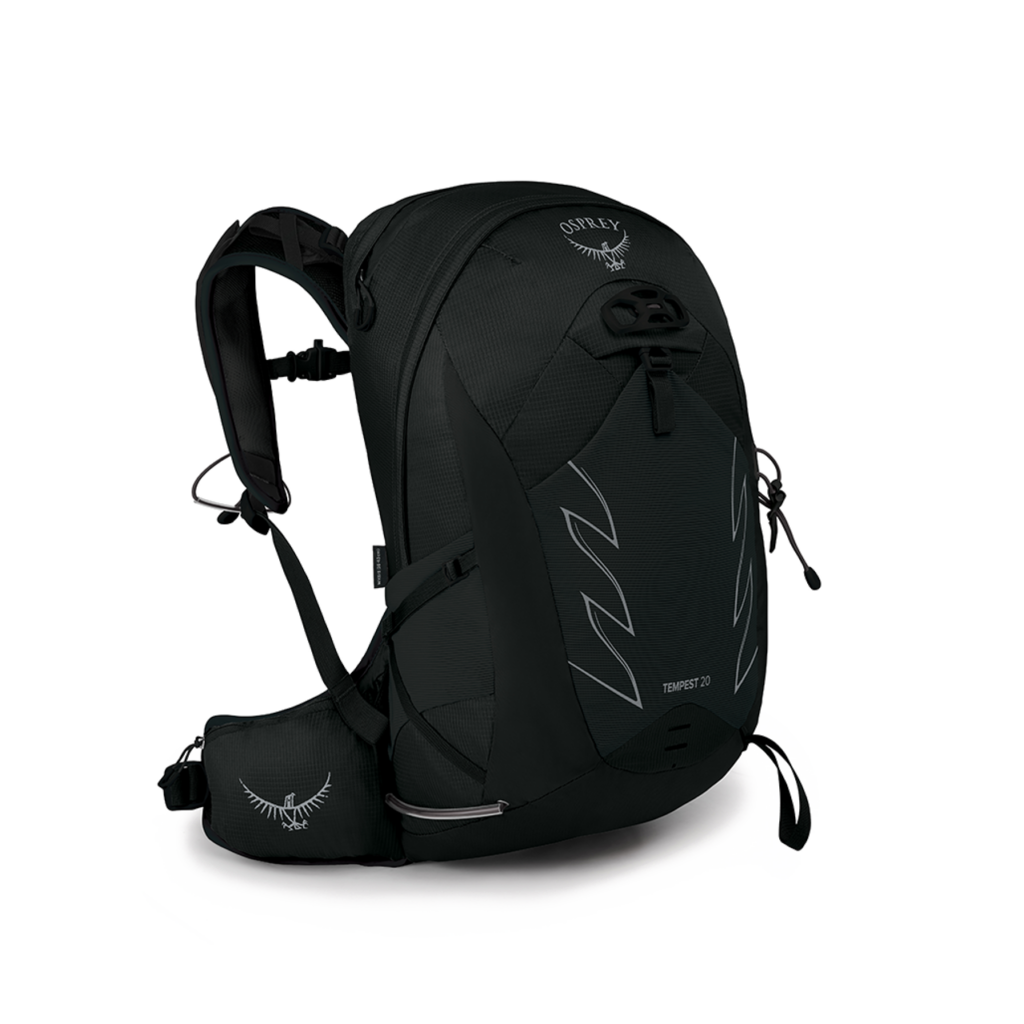
I love the look and style of The Tempest 20 Women’s day pack (left) Not only is it women specific but it features a continuous-wrap harness, hipbelt and injection-melded AirScape backpanel that moves as you move down the trail.
Together with attachments for trekking poles, bike helmets and more, it’s light and has an emergency whistle. The Tempest is made with high-quality bluesign-approved recycled high-tenacity nylon and holds 5-8kgs.
Like any running event, before a hike or in fact any walk, I lay out my kit the night before. I’ve been known to check and triple check that I have everything I need. When you’re out on Dartmoor or hiking along the coast path, you want to make sure that everything runs as smoothly as it possibly can. A check list helps a peaceful nights sleep and keep any early morning stresses to a minimum!
Mini First Aid Kit
As the saying goes, “once a nurse, always a nurse!” It may not surprise you that a first aid kit features quite high on my list of 10 key items you’ll always find in my rucksack! You never know when a trip, blister or even a cut finger can happen and it really is better to be save than sorry.
My First Aid Kit always includes a crepe bandage, a woven bandage, Paracetamol, blister plasters, antiseptic wipes, gauze swabs, dressings and assorted plasters. You can make up your own or the Ordnance Survey crew has created a brilliant one specially for walkers.
An item I haven’t added but need to, is an emergency thermal blanket Windproof, waterproof, highly visible and radar reflective. Super light, very small to carry yet should a member of your party fall, can be a lifesaver as you wait for a rescue.
Under the first aid kit heading, I always keep suncream, bug spray and lip balm handy in my rucksack, regardless of season. Living in Devon, the weather can be very unpredictable on Dartmoor and the Coast Path alike.
Water
Another obvious addition to my all important kit list is to make sure you have enough water.. As a former personal trainer and lifestyle and wellbeing coach, it’s something I would always chat with my clients about. Being well hydrated whilst exercising and going about your daily life is a key element to good health and well-being. When we’re dehydrated, we feel more tired and everything is that much harder, including concentration. So please make sure you keep your fluids up.
I’m a lover of the Chilly bottles, which not only keep your water cooler for longer (24 hours) They are reusable, so avoids the use of single use bottles, a win for me and the environment!
Snacks
Did I mention that my list was in no particular order ? Snacks are an important part of a hike! Homemade cookies or flapjacks always go down a treat. Essentially take with you something that’s of high protein, tasty and will replenish essential nutrients. You may want to consider snacks that don’t melt!
Walking can be seen as an activity that doesn’t burn many calories in comparison to other outdoor adventures. Don’t underestimate those inclines and calories burned whilst out in the great outdoors!
Money
I’d recommend taking actual cash and a card with you. I know this seems glaringly obvious but since our Lockdown days when cash became almost obsolete, some cafes and ferries have gone back to using cash only. I keep a little emergency fund of coins, notes and a card in my rucksack to I’m not caught out. Which brings me neatly onto the next on my list of 10 key items you’ll always see in my rucksack.
The Technical kit
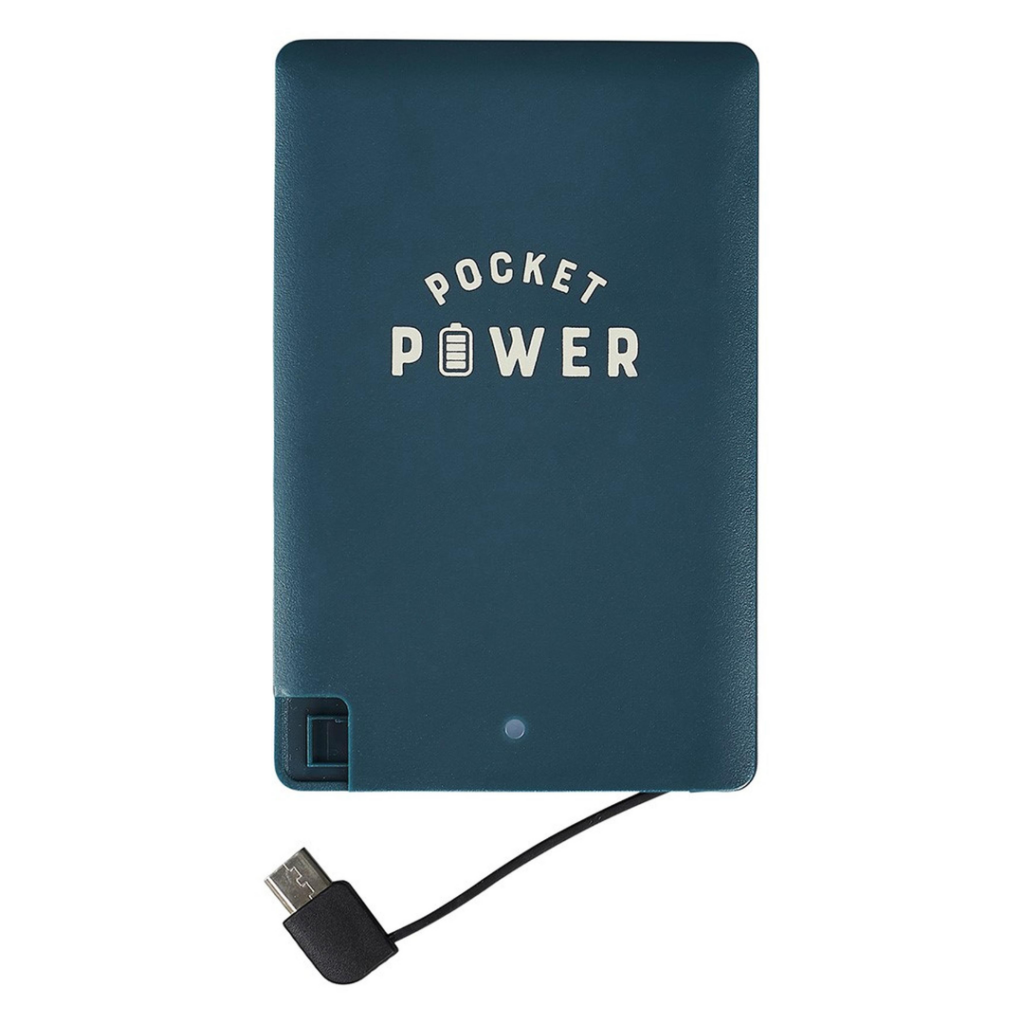
It’s sounds very obvious but having not only a phone but a portable charger with me is crucial. When planning hikes, you have an idea of roughy how long you’ll be outside for, however not everything always goes to plan.
A hike may take longer than anticipated meaning your phone battery might not last the stretch. Without any means of communication, you won’t be in a strong position to request help or to let your loved ones know how you are. If you rely on the wallet application on your phone, you could also be in a tricky situation of being stuck without money too.
Having a phone with me, not only gives me piece of mind but also, allows me to take photographs to capture the precious moments. There are quite often seals and dolphins along the coast in the summer and if you follow me on instagram, you’ll know I’m a sucker for a sunrise and a sunset!
Essential Accessories
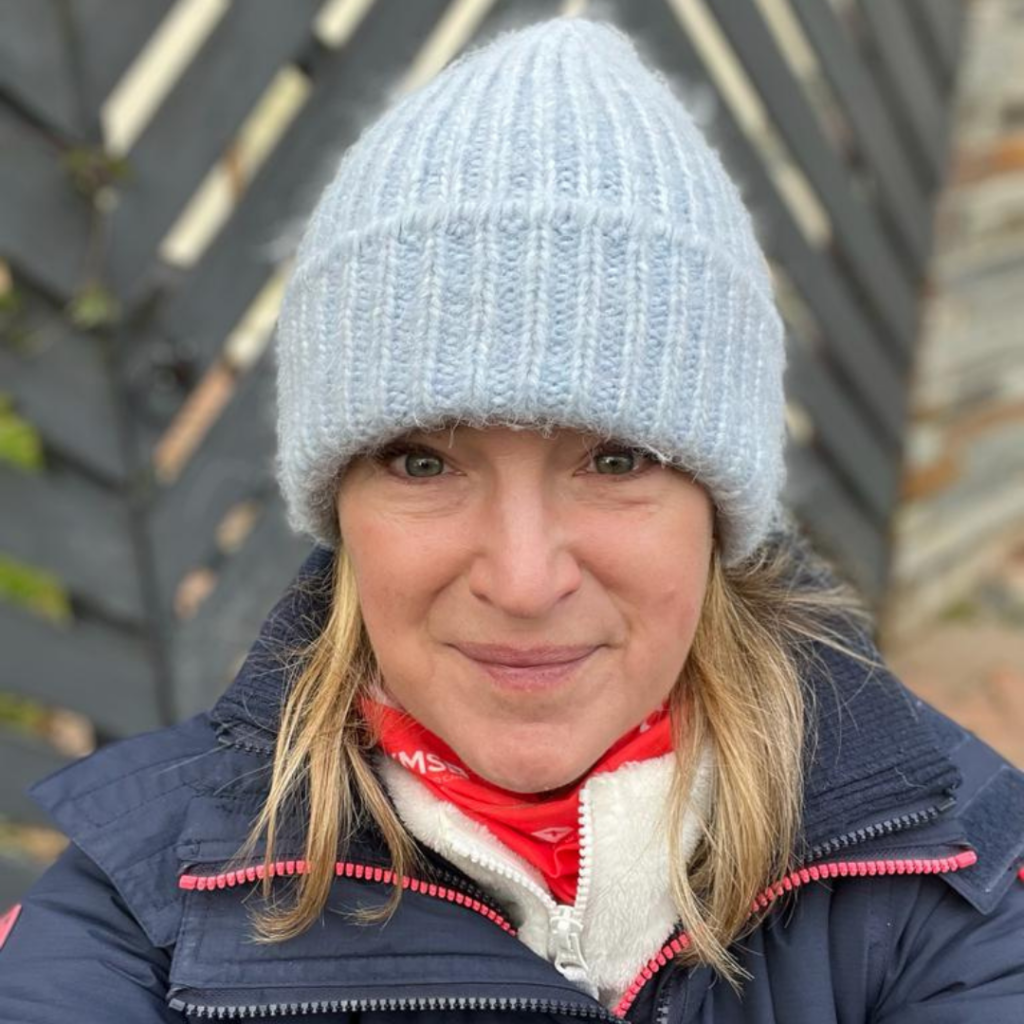
Never underestimate the power of a hat and a buff! (Some people call them neck tubes or snoods.) Whatever the season, these two accessories can be absolute winning pieces of kit. They provide you with extra protection from the elements and are small enough to pop back into your rucksack should you not need them.
Covering your head with a hood or hat is an easy way to conserve your body heat and stay warmer. In addition, covering your head with a light coloured cap in the summer, will keep you cool and help to discourage heatstroke and effects from the sun.
“Hiking and happiness go hand in hand (or foot in boot).”
Unknown Author
Spare Clothes
The weather in Devon, especially on Dartmoor, can be very unpredictable. On the Virtual marathon coastal hike last October, we literally had every season in one day. From driving rain, a big chilly wind and warm hot sunshine.
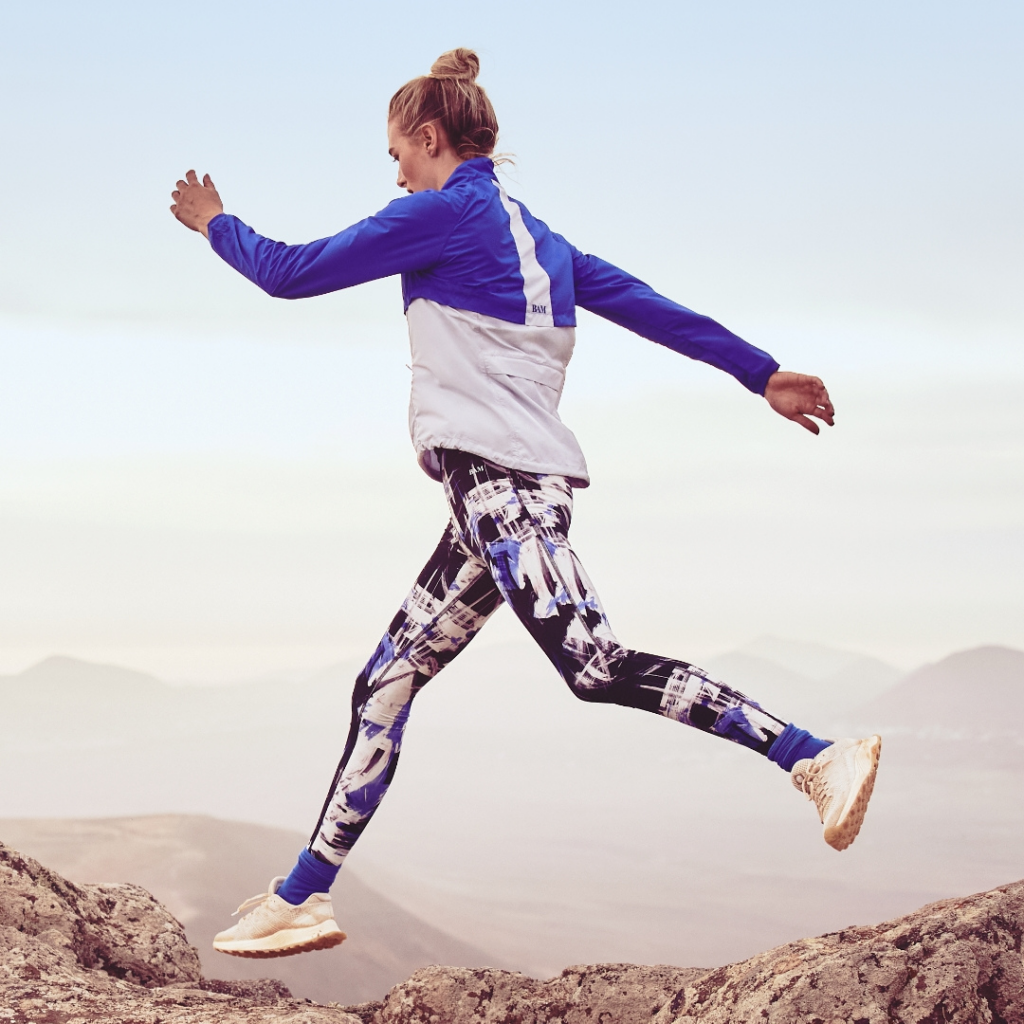
Base layers, waterproof trousers and wind proof jackets are essential pieces of kit to stay warm and dry. The key thing about base layers, is that the are thin and will keep you well insulated. When they aren’t required, they are small enough to roll up and put into your rucksack without taking up to much space and adding unnecessary weight and bulk.
“You need special shoes for hiking—and a bit of a special soul as well.”
terri guillemets
Socks
A top tip my Father in law shared with me, as I was preparing for my first ever marathon walk, was to take a spare pair of socks with me. “Change into a lovely fresh pair of socks half way into your walk. You and your feet will feel like new”
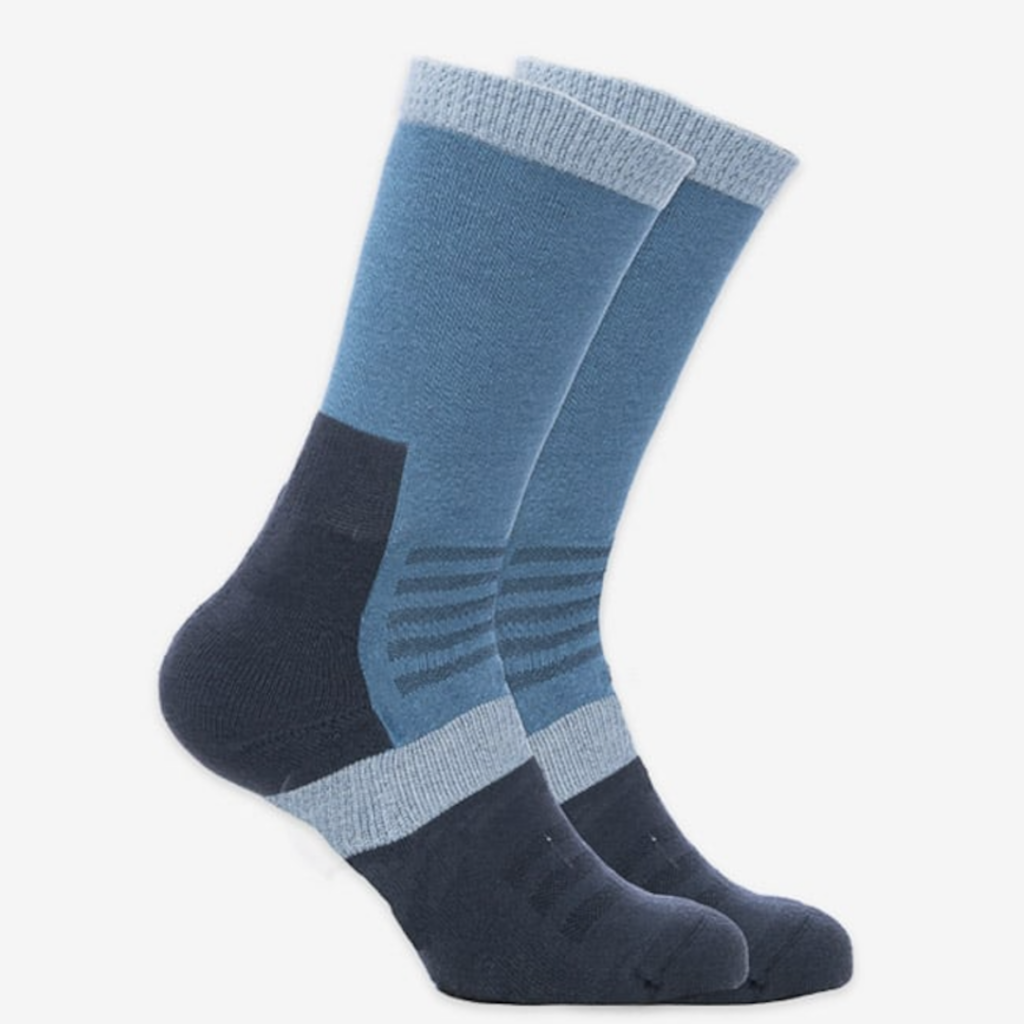
That advice has never left me and it’s a tip I now lovingly pass on. Socks from Bam are my absolute go to socks. I especially love their Technical walking socks for my walks and hikes. You’ll always find me in them and always with a spare pair for half way. Thanks John!
Map
I’m an old fashioned girl and personally feel that you can’t beat an old fashioned map! You never know when technology may fail you. A map will always be there should your phone or charger stop working. Ordnance Survey not only have a super range of maps but they also have a brilliant app.
Their maps and short walking guides are just what you need to be able to explore your area safely, plan your routes and know where your next refreshment stop may be!
Currently, I print off my route and laminate to attach to my rucksack, so I can check my distance and progress as I go along. A better option would be to use a lightweight case which is just the thing you need to keep your paper maps safe, clean and dry when you are out in all weathers.
“There are no shortcuts to any place worth going.”
Beverly sills
A Smile!
Last but no means least and very cheesy I know but come rain or shine, it really is a joy to be able to walk in our beautiful countryside. You’ll always see a smile on my face. I’ve always been a lover of walking and hiking but added walking into my daily routine during Lockdown. It became one of my one positive actions a day and I’ve not looked back.
I feel very lucky to be living in such a lovely part of the world with Dartmoor and the South West Coast path on my doorstep, so that’s why a smile will always be on my “10 items you always see in my rucksack” list!
Have I missed anything? What would you add on your list?
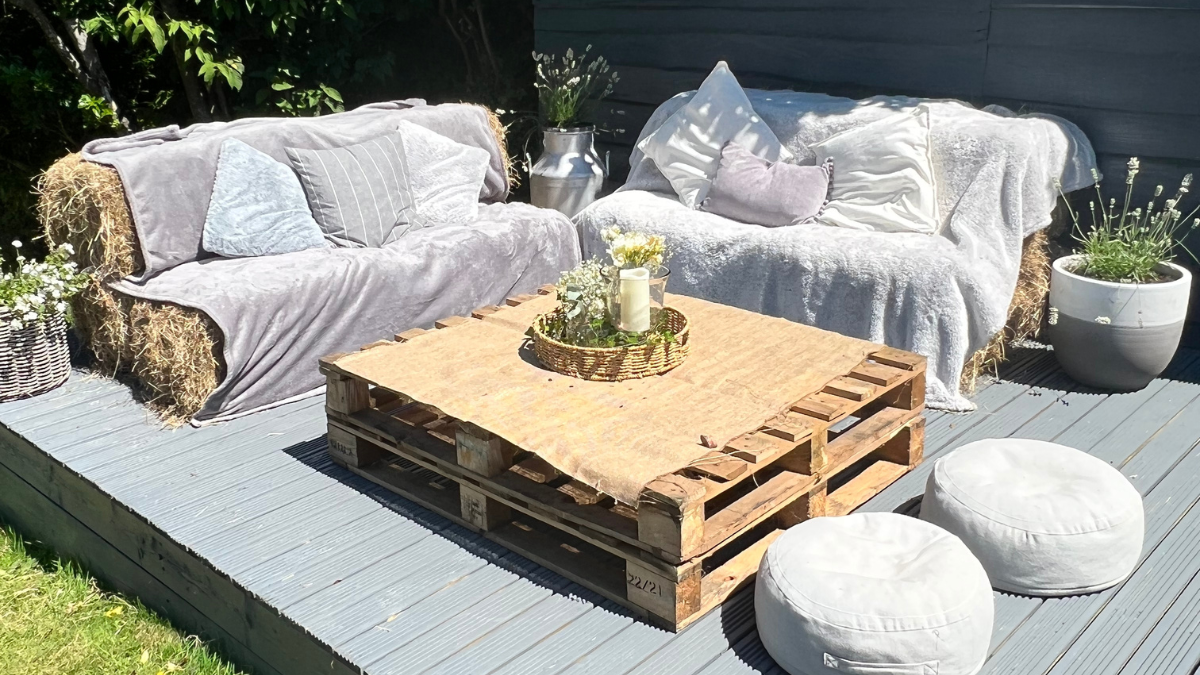
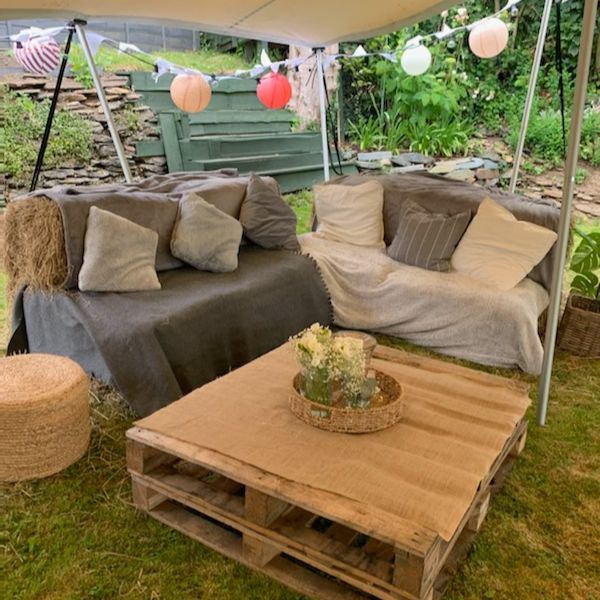
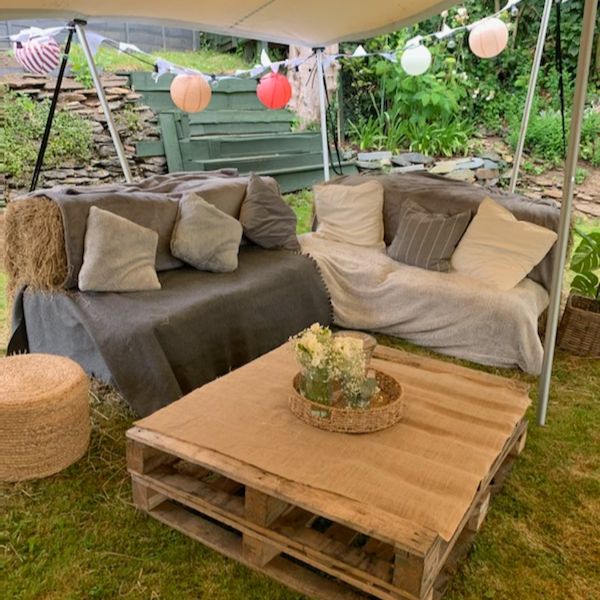
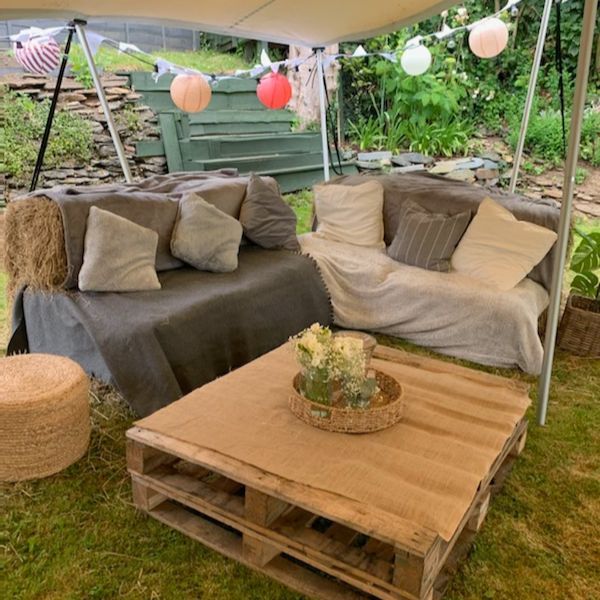
Creating a stylish, rustic seating area doesn’t have to cost a fortune. In this blog, I’ll show you how I used hay bales to make a comfortable L-shaped sofa — perfect for weddings, garden parties, or simply relaxing outdoors.
We recently hosted a special birthday party in our garden with a “festival” theme. To create a relaxed space for guests, I opted for hay bales as seating. Living in rural Devon, it was easy to source them locally at a reasonable price. After some research, I realised there was little guidance on creating an L-shaped design, so I’m sharing my process here.
This solution is ideal for parties, weddings, garden gatherings, or even a casual afternoon with friends.
Things To Consider Before You Start
1. Allergies
Be mindful of guests with hayfever. In our case, using throws minimized contact with the hay, keeping everyone comfortable.
2. Straw vs. Hay
Straw: Slightly itchier, bales can fall apart more easily.
Hay: Softer and more substantial — our preference for comfort.
3. Timing & Weather
If prepping the day before, use waterproof covers to keep hay dry..
With an idea in my head and a sketch on paper, I set about making the L shaped sofa from the hay bales I’d collected from the farmer earlier that morning.
To create the L shaped sofa, you will need:
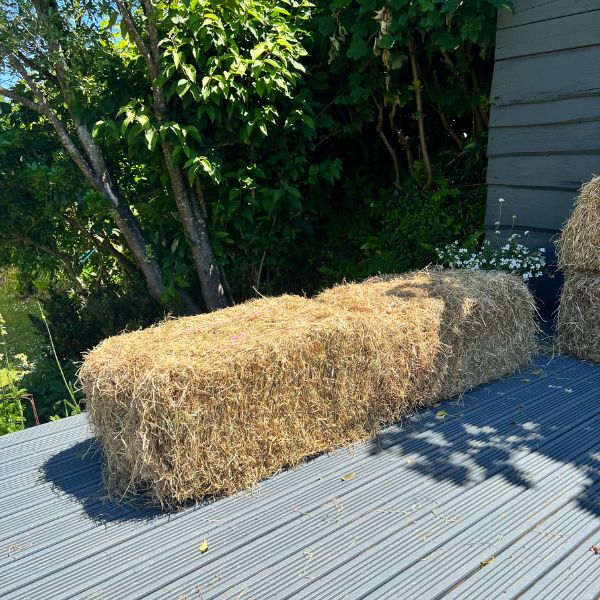
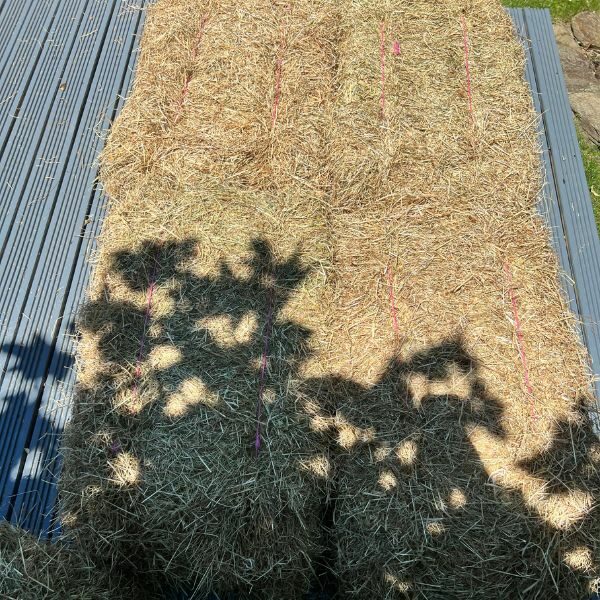
12 average sized rectangular hay bales
6 cushions
2 wooden pallets
Hessian cloth
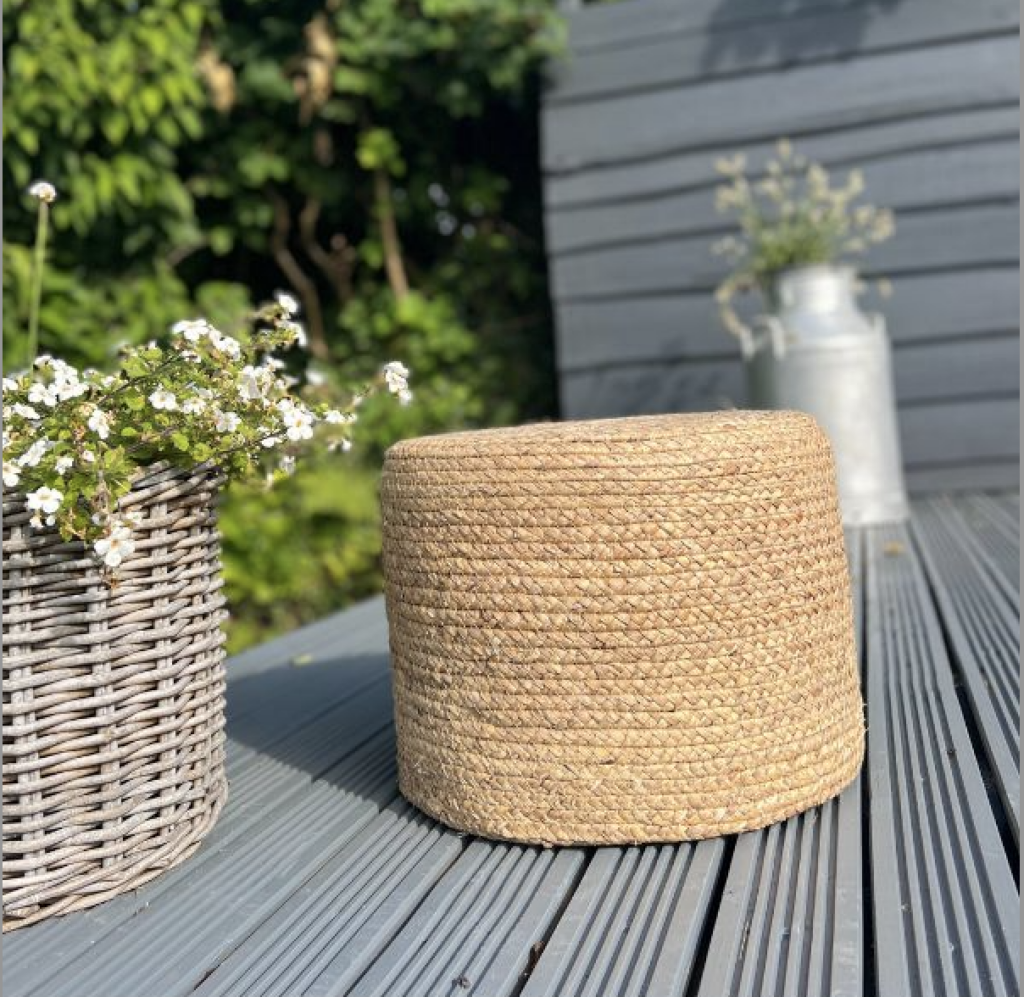
Seagrass Tray
Candles
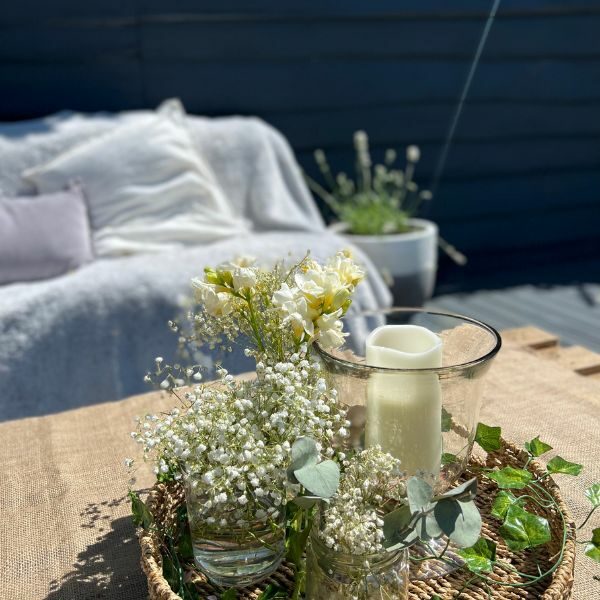
Fresh flowers and Ivy from the garden (or your local florist / supermarket)
Vases or old jam jars of various heights.
Step-by-Step: Building Your L Shaped Sofa
1. Form the Base
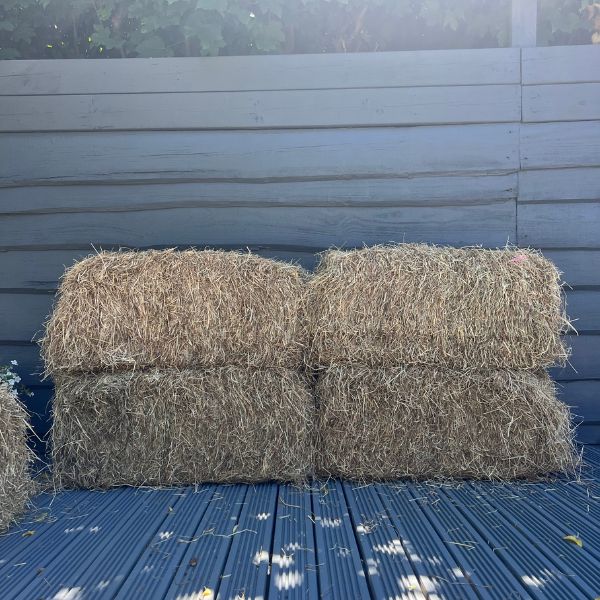
Place two bales lengthwise, side by side.
Place two further bales, in front of the first two, in order to form a rectangle.
2. Add Height
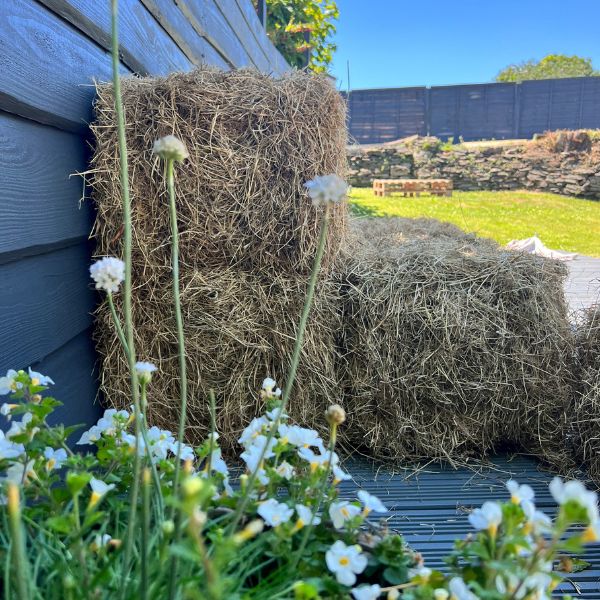
Place two further bales, on top of the original base..
Optional : Use twine to secure for extra stability, though we found it sturdy without.
3. Complete the L Shape
Repeat these steps with the remaining bales, adjacent to your first sofa, forming your L shape.
4. Optional Variations
Instead of an L shape, create two sofas facing each other for a different layout.
Add armrests by placing an extra bale at each end on its side.
Style and Accessorise
Throws & Cushions
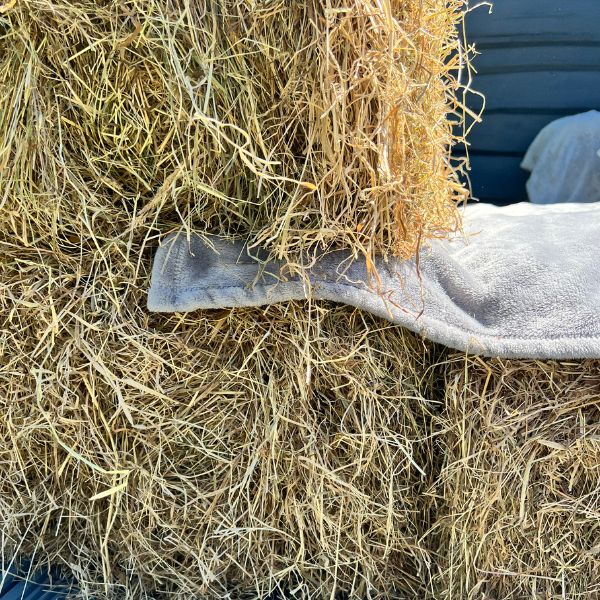
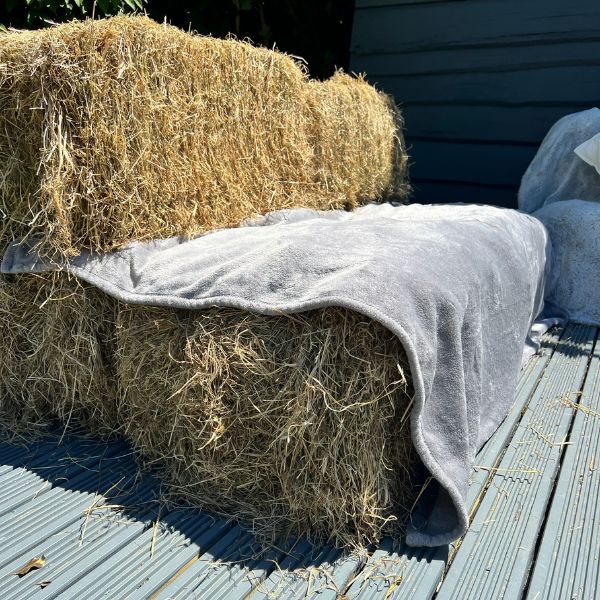
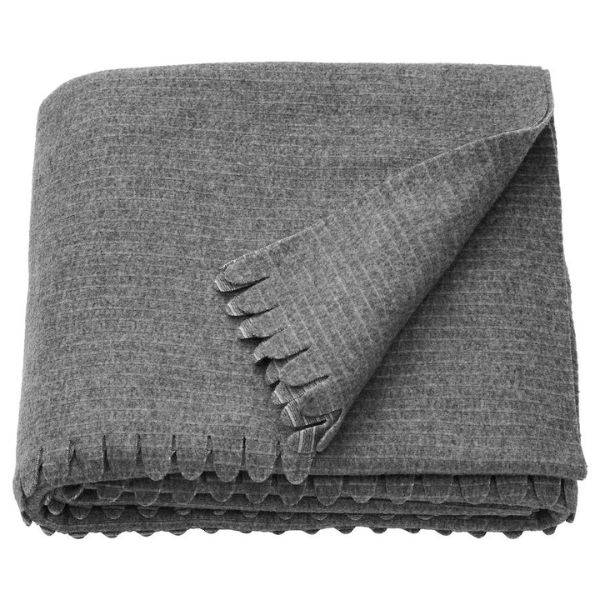
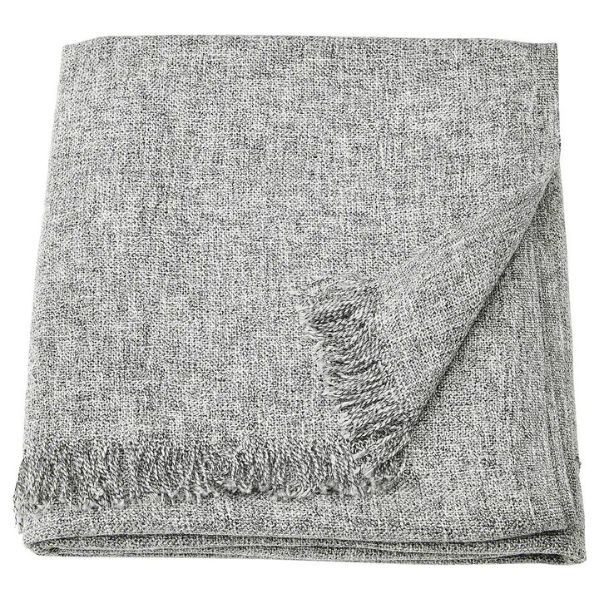
Drape throws over each seat, tucking under the backrest to hide hay.
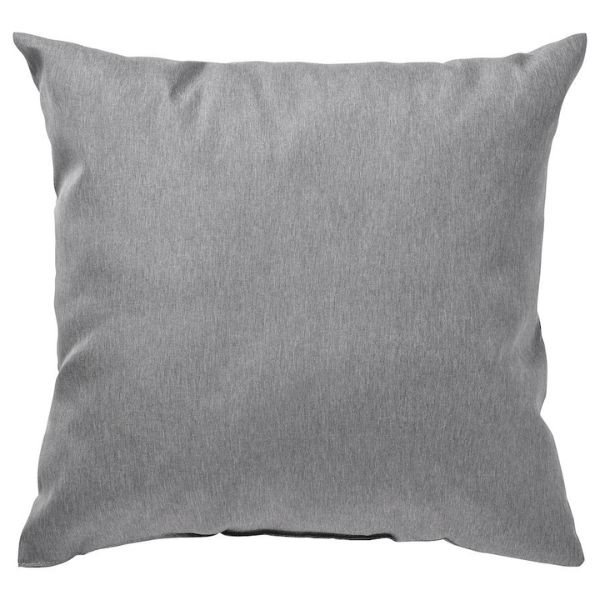
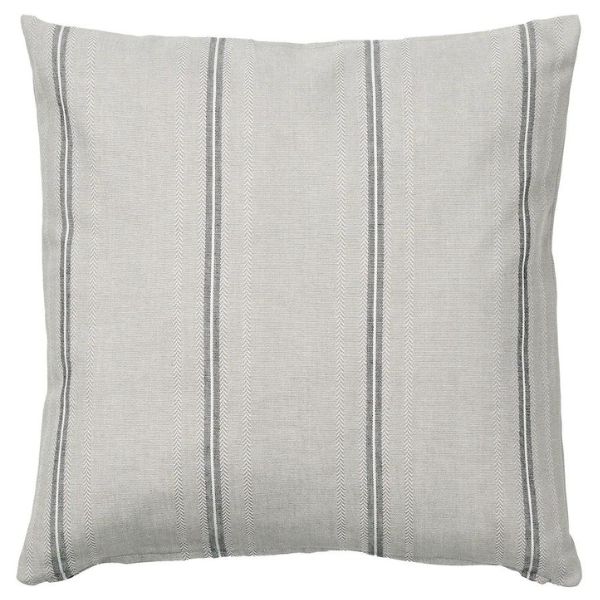
Add cushions (IKEA cushions are perfect for comfort and colour).
Place a further throw over the top of the higher bales and tick in, ensuring no hay is visible or sticking out. Use the bale tie to keep the throw in place.
Greenery & Decor
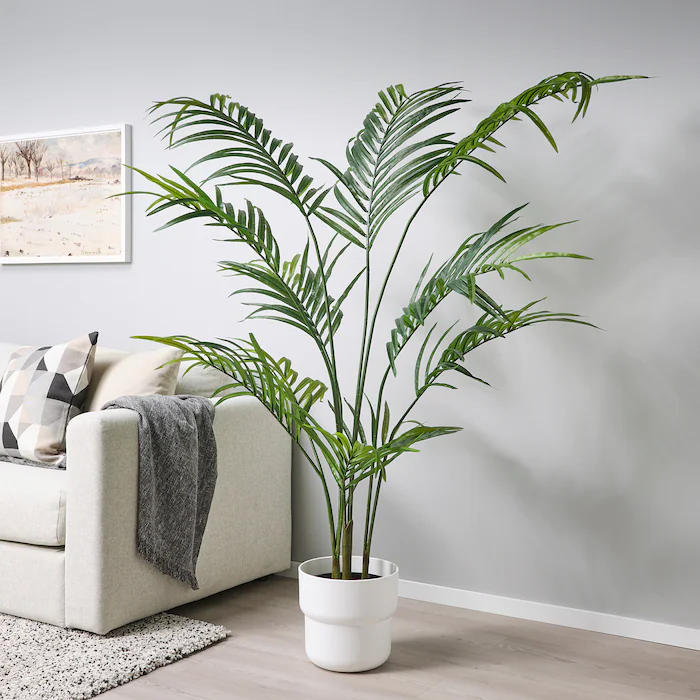
Place a plant or lantern at the end of the “L” for balance.
Add a coffee table by topping an extra bale or pallet with a tray.
Weave in ivy, eucalyptus, or seasonal flowers for a natural, elegant touch.
Soft Furnishings
All our throws and cushions came from IKEA — machine washable, affordable, and perfect for outdoor use. They added comfort and meant no one had hay sticking to their legs (always a win!)
Relaxing on outdoor comfy sofa with a good book, is one of the most perfect ways to spend time in the garden on a warm Summer’s Day. In the Autumn, add a blanket and a warm hot chocolate!
Launch Day for Mission 50 was on Tuesday 1st February 2022. The day where I started my crazy Mission to aim to raise £50,000 in my 50th year for the blood cancer charity DKMS_UK
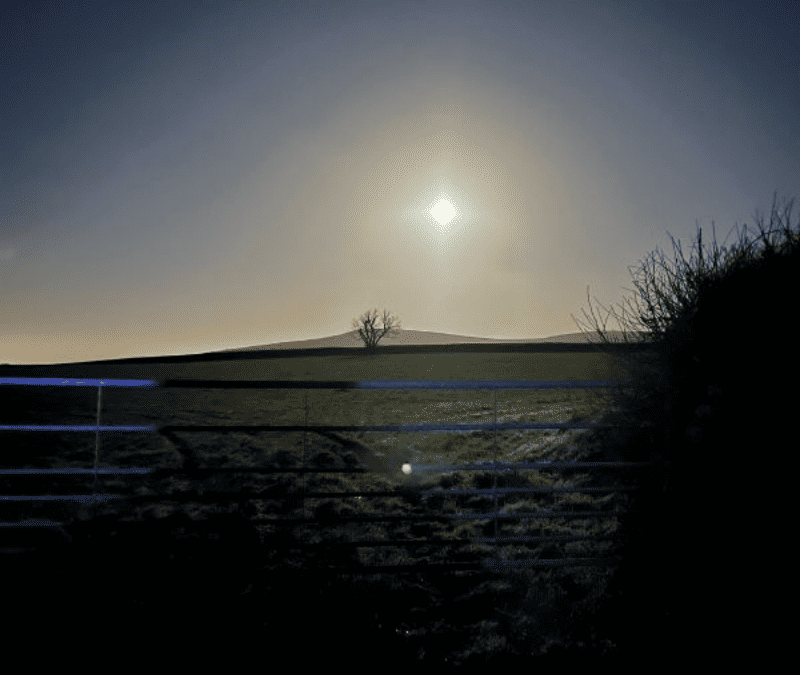
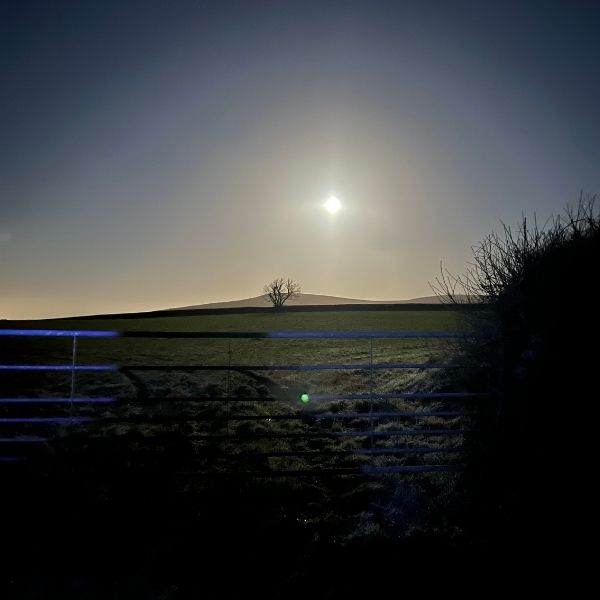
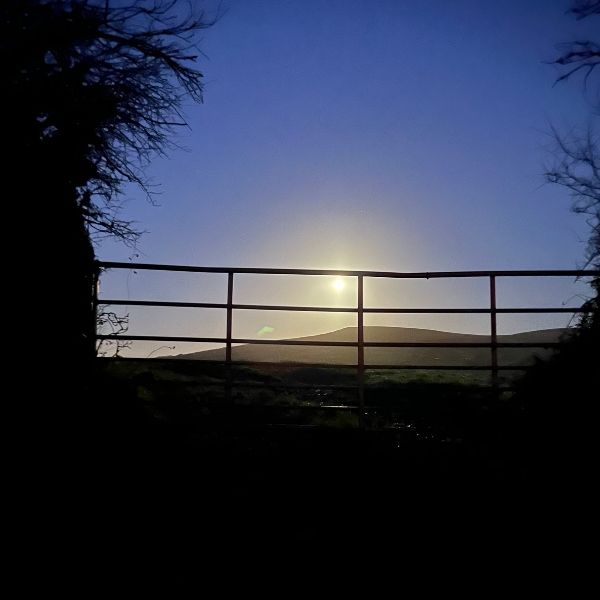
My day started as it normally does with a 5km walk (or stomp as I like to call it!) in the Devon country lanes where I live. It’s the best way to start the day; pulse raising, stunning views and fabulous company! Walking in the moonlight and watching the sun coming up, for me, is simply perfect!
Home, and after updating Strava (obviously!) I started my usual morning routine of cooking breakfast for the family and sending everyone on their merry way to start their days at work and school.
Although this day was not any ordinary day…
This was the day I officially started my crazy Mission to raise a whole heap of money for DKMS.
Oh my goodness!!
There have been a few sleepless nights that’s for sure – what am I doing???
Interview with Georgina, Fundraising Manager at DKMS
I was interviewed by Georgina, one of the fabulous fundraising managers at the charity, where we shared on an Instagram Live all about the Mission that Georgina and I had been talking about for months and months.
In fact we first started talking about doing a big fundraising event before the pandemic and now the day was here! Find out about my nursing background, why raising finances and awareness for blood cancer is so important to me, my biggest worry, what my children think about the Mission and much more my clicking the link below.
So you see, a BIG Mission, a LOT of money to raise and a whole lot of nerves..
Every penny donated, every conversation started to support my Mission is very much welcomed. Please do follow my on Instagram to keep updated with what’s happening with the mission and more! If you are part of a corporate company and would like to get involved, please do get in touch.
The more people we can have a conversation with about blood cancer, becoming a potential lifesaver and how YOU can get involved, please do get in touch or follow any of the links above.
Finally, share and share alike; if you think your friends, family and colleagues would like to get involved, I’d love to hear from them too.
The Burns Night celebration was big in my house growing up.
This blog contains some traditions and yummy recipes so you can join in with the Scottish Traditions.
Burns Night is annually celebrated in Scotland on or around January 25th.
It’s a big question; what is the biggest night in Scotland, New Years Eve or Burns Night?
What would you say? I guess it depends on your background.
My father was a Scot. He would tell us stories about the famous poet Robbie Burns as my mother prepared Cullen Stink (a smoked fish soup, traditionally a starter) and Haggis, Neeps and Tatties and many more delights for their guests as they would come and celebrate with a special Burn’s Night supper.
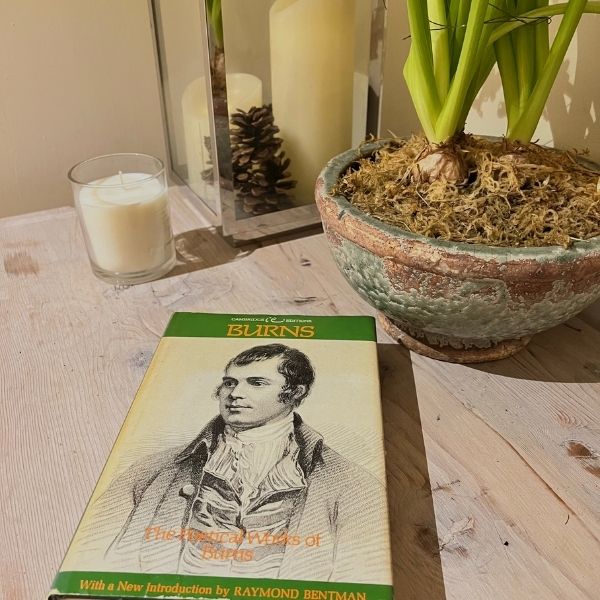
As a Scot, my dear dad was very passionate about his heritage and Robbie Burns. I bought him The Complete Works of Burns for his Birthday days before I left home to start my nursing studies in London.
I remember Dad practicing the important role of “addressing the haggis” as sister and I used to giggle but I’d do anything to hear him getting prepared for this famous Scottish tradition again.
Burns Night commemorates the life of the bard (poet) Robert Burns,
who was born on January 25, 1759.
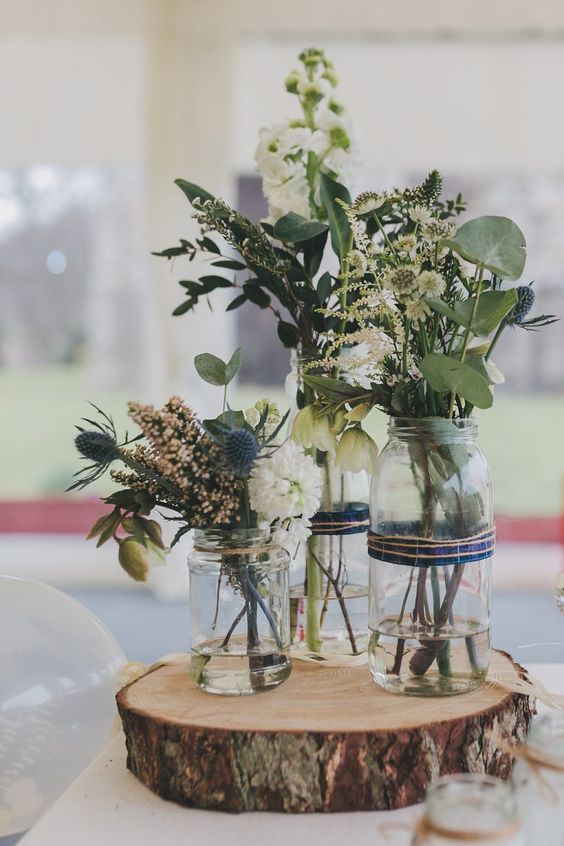
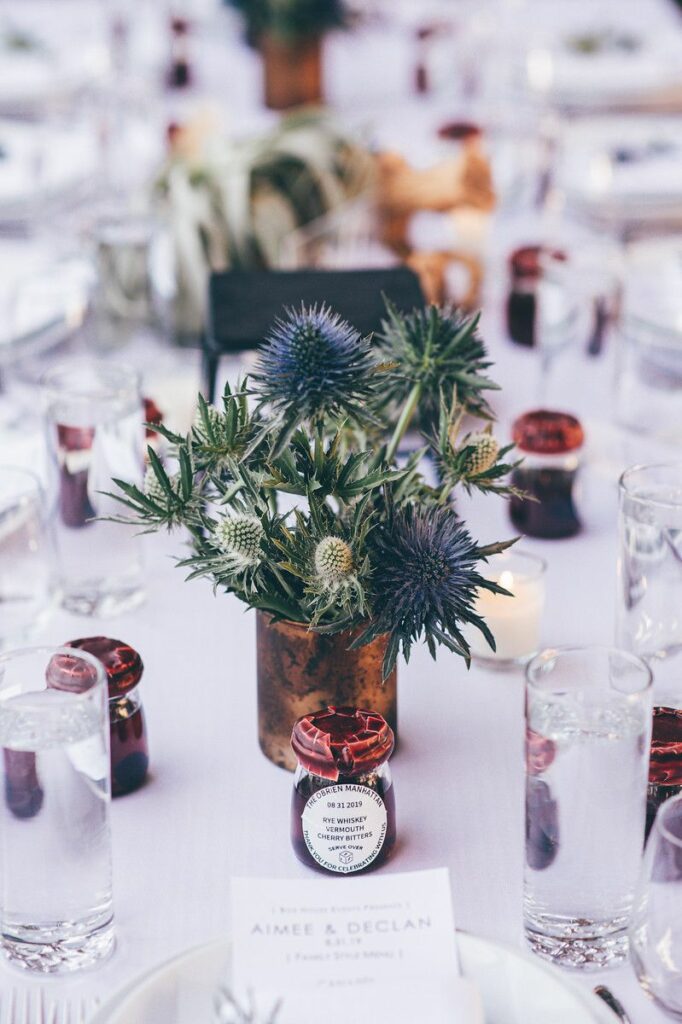
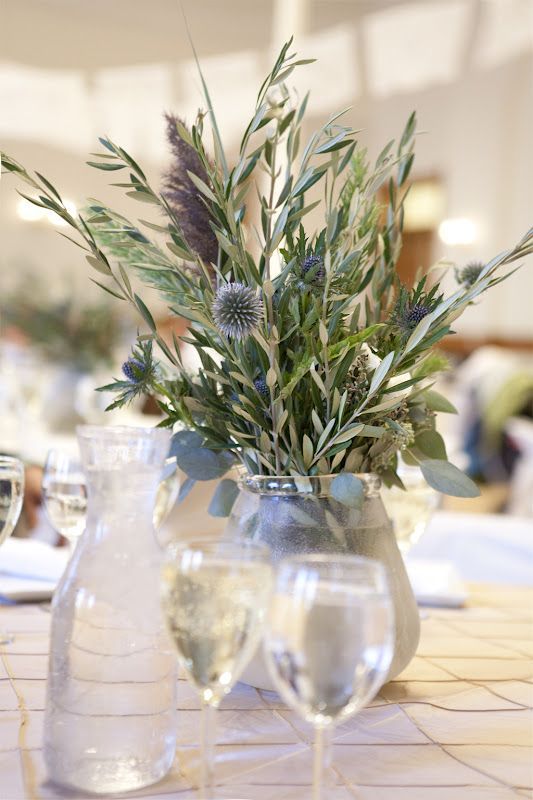
Stunning table floral displays featuring the Scottish flower. Credit Pinterest.
So what is a Burn’s Night Celebration?
Burns Night has been celebrated in Scotland for over 200 years. Originally started by friends of Robert Burns as a supper with recitals of his much-loved work to commemorate the 5th anniversary of this death.
Today, the celebration is held on or around his birthday on 25th January but the sentiment is the still the same; an evening of Caledonian food and drink, friendship, good natured banter and a chance to celebrate the nation’s favourite Bard.
So long as the emphasis of the evening is excellent company, food and a dram or three of a good single malt then the great man himself would surely approve, as did my dear Dad!
Burns Night Supper Invitation.
So if you are going out or having a Burns Night celebration at home, here’s what you need to know to ensure you get it right on the night!
The menu, just like the traditional ceremony, has not changed much either over the years. However, with Scottish descendants scattered all over the world the supper now often incorporates elements of the local cuisine and regional flavours too. Seasonal variations and contemporary twists on the menu are fine.
Menu
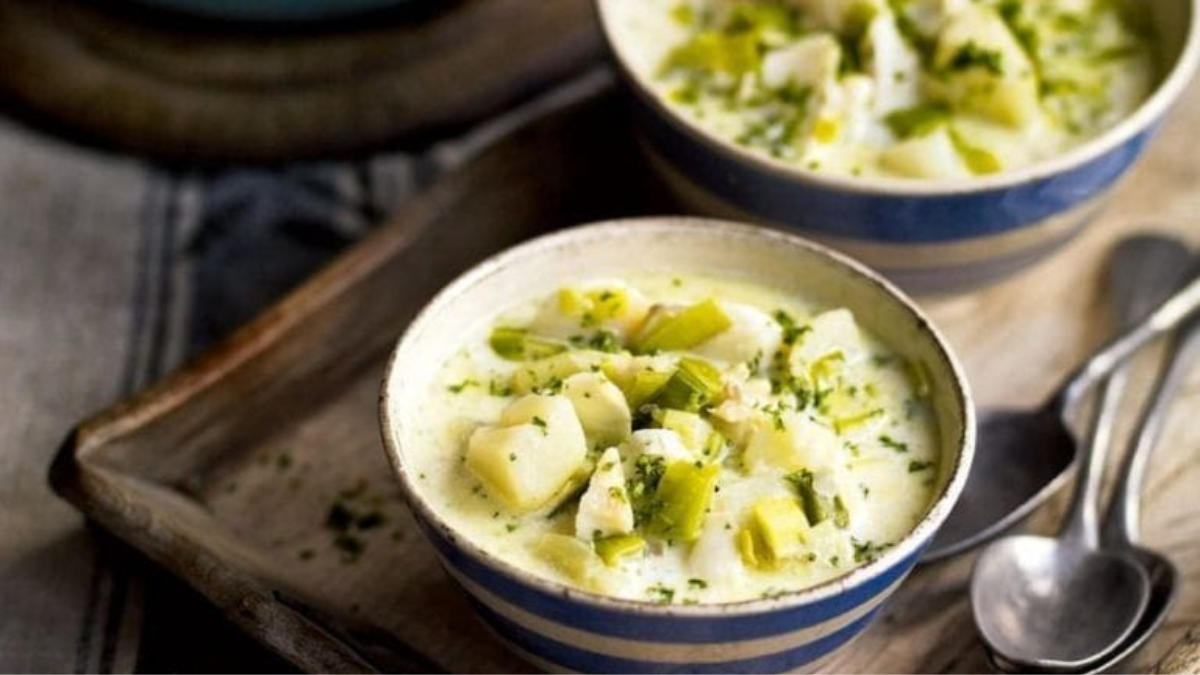
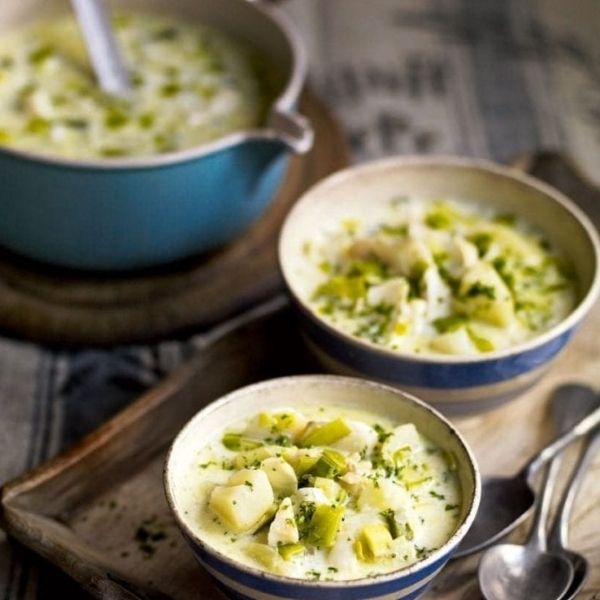
Starter: Cullen Skink – a traditional Scottish soup with a rich, creamy flavour.
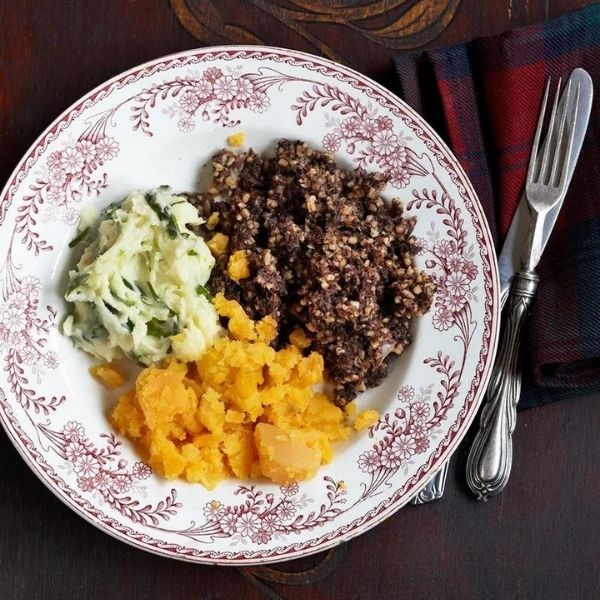
Main Course: Haggis, Needs and Tatties
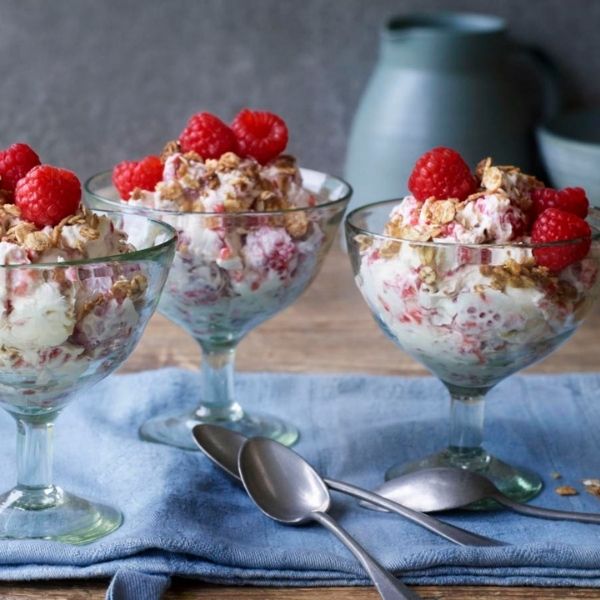
Desert: Cranachan
And of course, all washed down with a fine wee dram – that’s whisky to you and me! It was quite the occasion.
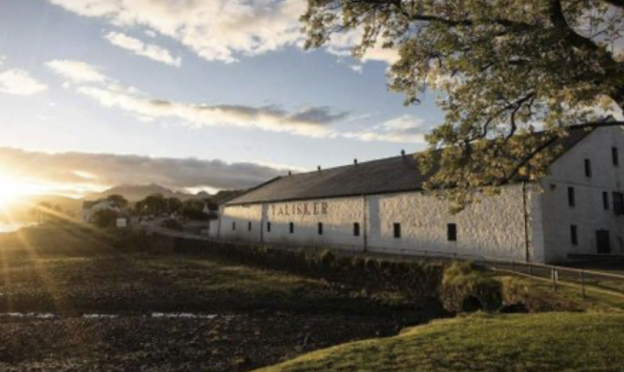
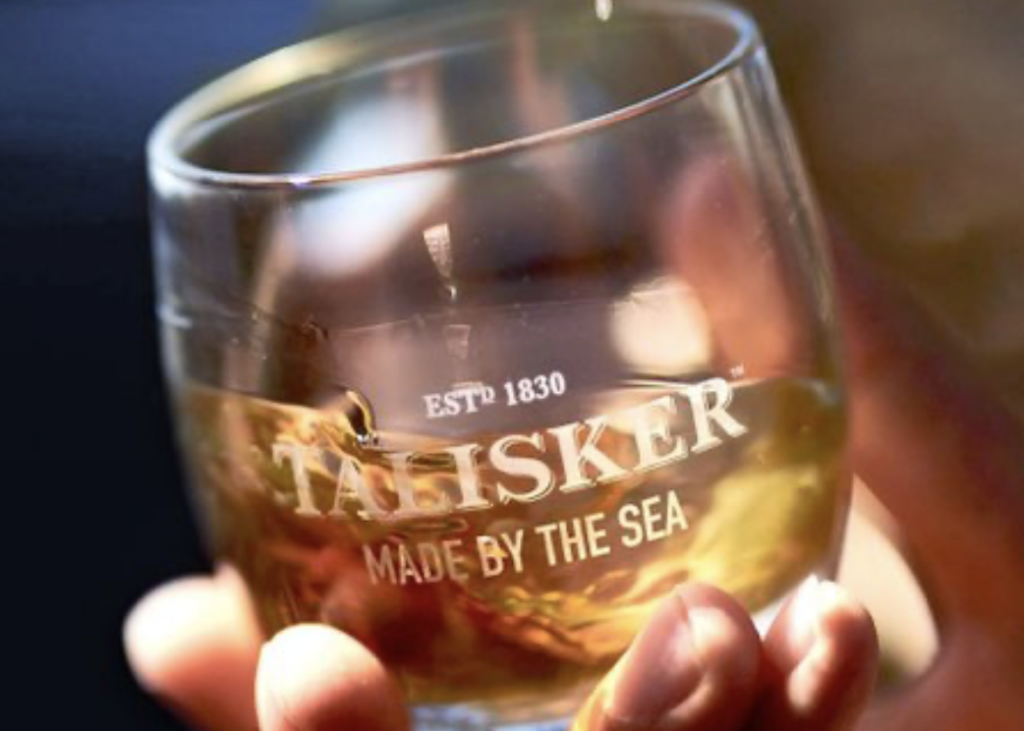
My late fathers favourite Whisky – Talisker
Cullen Skink
A classic Scottish recipe, Cullen Skink is an easy traditional Scottish soup with a rich, creamy flavour.
Bring the milk to a gentle boil and poach the haddock for three minutes along with the bay leaf and finely chopped parsley stalks (save the leaves for later on). Turn off the heat and leave for 5 – 10 minutes, then remove the fish and set aside.
In a large pan gently soften the onion in the butter for a few minutes. Add the warmed milk to the onions and add the mashed potato. Cook gently.
Flake the haddock into bite size chunks making sure you remove all bones and any skin. Add to the soup along with the parsley and cook for a further 5 minutes. Season as required, though it’s worth remembering that the smoked fish adds a lot of salt to the dish.
This short but important poem is usually read before the main meal and the piping in of the haggis.
The Selkirk Grace
“Some hae meat and canna eat,
And some wad eat that want it,
“But we hae meat and we can eat,
And sae the Lord be thankit.”
Haggis, Neeps & Tatties
Serves 6. Cooks in 55 Minutes. Difficulty super easy!
400 g turnips or swedes, peeled and quartered 450 g potatoes, peeled and quartered 100 g unsalted butter 8 spring onions, roughly chopped 30 ml double cream (switch to coconut milk if you are wishing to stay cleaner)
Method
Cook the haggis in a large pan of boiling water according to your butcher’s instructions.
Peel and quarter the potatoes and turnips or swedes.
Place the haggis in a large pan of boiling water and cook according to the packet instructions.
Cook the turnips or swedes and the potatoes in separate pans of boiling salted water for 20 to 25 minutes, or until tender. Drain the veg separately.
Return the turnips or swedes to the pan, add half the butter and mash, keeping chunky. Season to taste. Cover to keep warm.
Trim and roughly chop the spring onions. Melt the remaining butter in the potato pan, add the spring onions and cook for 1 to 2 minutes, or until softened. Return the potatoes to the pan and mash with the cream until quite smooth, seasoning to taste. Cover to keep warm.
Remove the cooked haggis, cut open and place a portion onto each warmed plate. Divide up the turnips or swedes and potatoes (neeps & tatties) and serve.
Cranachan
Mary Berry’s classic Scottish Cranachan is super easy to whip up, but she does stress, “Hold back some of the crunchy oats and raspberries for a pretty topping, but don’t hold back on the whisky!”
Preparation time:less than 30 mins
Cooking time: less than 10 mins. Makes 8
Ingredients
knob of butter
100g/3½oz light muscovado sugar
100g/3½oz jumbo oats
250g/9oz mascarpone
300ml/½ pint double cream
75ml/2½fl oz whisky
450g/1lb raspberries
Method
Put the butter, sugar and oats in a saucepan and stir over a high heat for 4–5 minutes, or until toasted and crunchy. Set aside to cool.
Measure the mascarpone and cream into a bowl and whisk until soft peaks form when the whisk is removed from the bowl.
Add the whisky, 300g/10½oz raspberries and two-thirds of the cooled oats. Mix until combined, but try to keep the raspberries fairly whole.
Spoon into glasses and top with the remaining raspberries and crunchy oats.
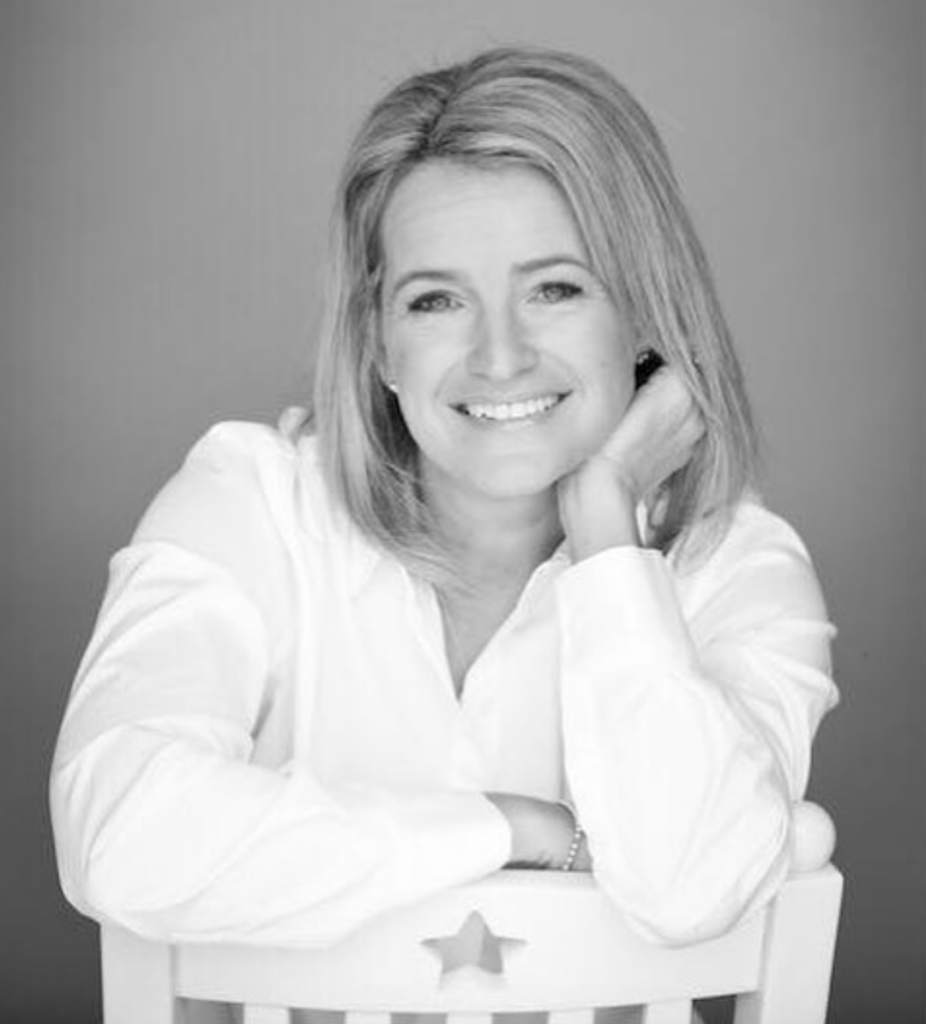
I’m the creator of Woman on a Mission, a lifestyle space dedicated to helping women bring more calm, confidence and balance into everyday life. Born from my own journey to slow down and live with greater intention, it offers inspiration around wellbeing, organisation, home and mindset, one meaningful mission at a time
 The iconic Superfood Hand Therapy which conditions and brightens your skin,