Updated for Summer 2026: A refreshed Woman on a Mission guide to relaxed outdoor entertaining, seasonal recipes and effortless summer gatherings.
If you’re looking for summer entertaining ideas that feel relaxed, stylish and genuinely enjoyable, this Woman on a Mission guide brings together easy BBQ recipes, outdoor dining inspiration and simple ideas for effortless garden gatherings.
Why I Love Relaxed Outdoor Entertaining
For me, the best summer gatherings have never been about striving for perfection or spending hours hidden away in the kitchen. They’re about creating a relaxed atmosphere where conversation flows, food can be prepared ahead of time and everyone, including the host, gets to properly enjoy the moment.
Perhaps it’s my years of nursing, fitness retreats and busy family life, but I’ve always believed that the simplicity of an impromptu summer BBQ often creates the most memorable experiences. Sometimes, a few comfortable chairs, festoon lighting as evening falls, food that tastes of summer and people you love nearby, that’s usually more than enough.
And whilst traditional barbecues may once have meant little more than sausages and burgers, outdoor cooking has come a long way. Whether you’re cooking over charcoal, experimenting with a ceramic grill or simply bringing food outdoors from the kitchen, summer entertaining feels wonderfully relaxed when the food is simple and full of flavour.
So if you’re planning a garden gathering, family barbecue or simply looking for fresh inspiration for outdoor dining, here are some favourite recipes and ideas I think you’ll love.
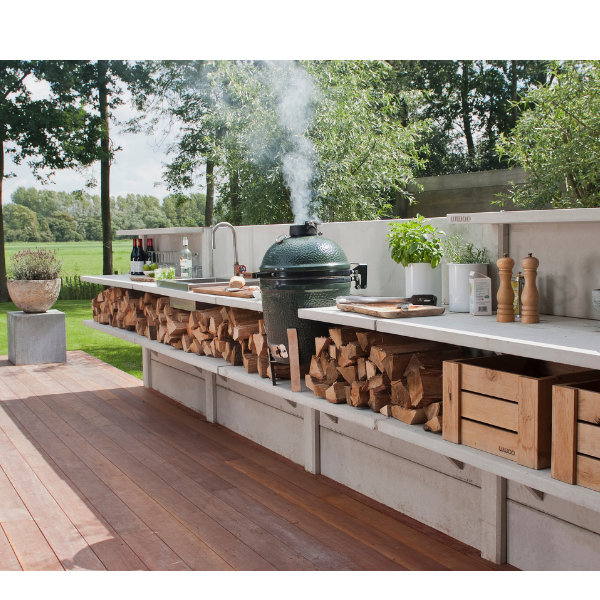
WWOO Outdoor Kitchen from Garden House Design
Summer Entertaining Ideas That Feel Relaxed.
Over the years I’ve realised that entertaining becomes far more enjoyable when we let go of the pressure to make everything perfect. Some of my favourite evenings have involved slightly windswept tables, cushions gathered from indoors and recipes prepared earlier in the day. The magic rarely lies in elaborate hosting.
It’s found in:
food prepared in advance
relaxed conversation
outdoor cooking
soft lighting
children or dogs wandering through the garden
and making space to properly connect.
Summer entertaining should feel relaxed, not exhausting. If anything, the garden does most of the work for us.
Easy BBQ Recipes for Summer Evenings
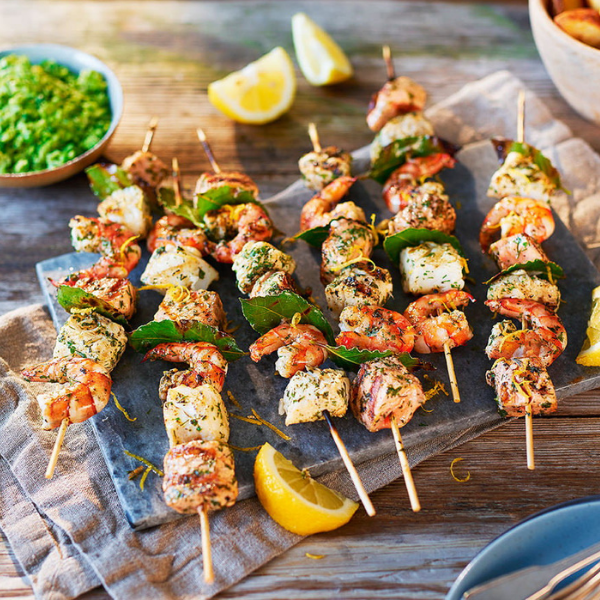
Fish Skewers (serves 4)
It’s hard to beat these fragrant fish skewers. Marinated in lemon juice, garlic and green herbs, these succulent cod, salmon and king prawn kebabs taste incredible served straight off the grill. 10 mins to prepare and 10 mins to cook, plus marinating. Recipe source and inspiration Tesco Food.
Ingredients
2 tbsp olive oil
2 lemons, 1 juiced and zested, 1 cut into wedges, to serve
2 garlic cloves, finely grated
handful dill, finely chopped
handful flat-leaf parsley, finely chopped
400g (14oz) boneless, skinless cod loin, cut into 16 chunks
400g (14oz) boneless and skinless salmon, cut into 16 chunks
16 raw king prawns
16 bay leaves
Method
Soak 4 wooden skewers in water, so they won’t burn on the barbecue. Preheat the barbecue.
In a large bowl, mix together the olive oil, lemon juice, garlic, dill and parsley. Stir in the cod, salmon and prawns, season and put in the fridge to marinate for 1 hour.
Thread 2 pieces of cod, 2 pieces of salmon, 2 prawns and 2 bay leaves onto each skewer. Cook on the barbecue for 8-10 minutes, turning regularly, or until the fish and prawns are cooked through.
Scatter over the lemon zest and serve with the lemon wedges.
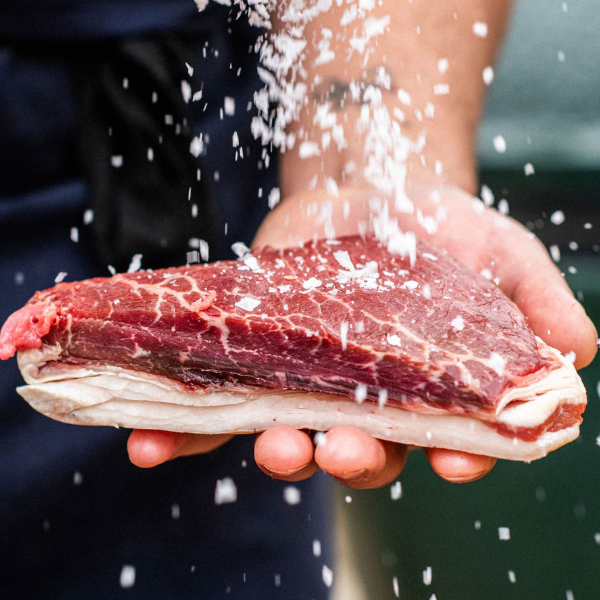
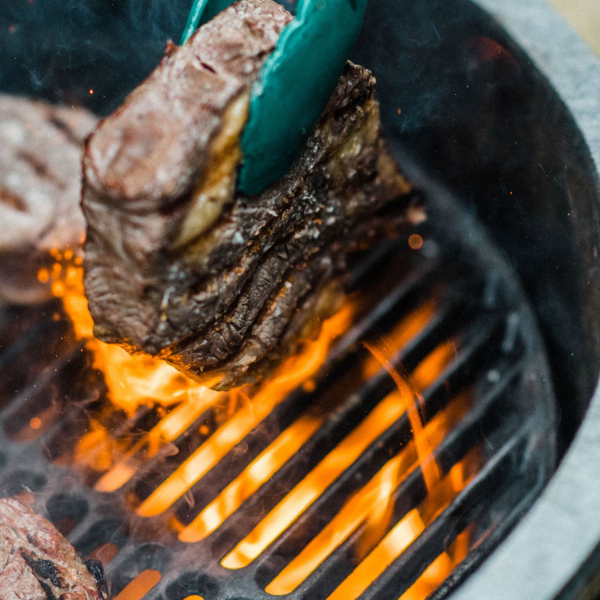
Steak, cooked to perfection, the Big Green Egg way.
This approach to cooking steak takes inspiration from the team at Big Green Egg, who know a thing or two about outdoor cooking. You might wonder whether steak really needs a recipe, but sometimes it’s the simplest techniques that make the biggest difference. This method creates beautifully consistent results, restaurant-style grill marks and delicious flavour. And it isn’t just for steak, the same approach works beautifully for pork chops, lamb cutlets and other cuts of meat too.
1. Remove your steak from the fridge and let it come to room temperature. Pat dry with a kitchen towel.
2. Don’t remove any excess fat from the steak. Fat carries flavour into the meat whilst cooking. You can always remove it afterwards.
3. Season the steaks with a generous amount of salt on both sides. Don’t use the black pepper at this stage as it burns and turns bitter at high temperatures.
4. Lay them down and leave them to develop clearly defined searing marks
5. How quickly you turn your steak depends on the thickness of the steak and how well you like it cooked. An inch-thick steak cooked medium will need turning after about 3 minutes.
6. Turn the steaks, this time preferably moving them to a different area of the grid. This ensures that you are placing the uncooked side of the steak onto a freshly hot area of the grid.
7. After a further 2 minutes, perform a touch test. Touch your hand where the base of your thumb joins to the fleshy part of your palm, in 3 positions, to compare to the touch of the steak. Your palm relaxed and open signifies the loose resistance of touching a rare steak. Gently close your palm and the base of your thumb joining your palm will be firmer. Tightly close your fist and this area will become tighter still, representing a well cooked steak.
8. Remove from the grill and let rest, season with cracked black pepper. They are delicious as they are but you could always add a dab of garlic butter. Serve with your favourite sides.
“Obviously, everyone’s different, but I love just settling down and having a barbecue with my friends at the house.”
Harry kane
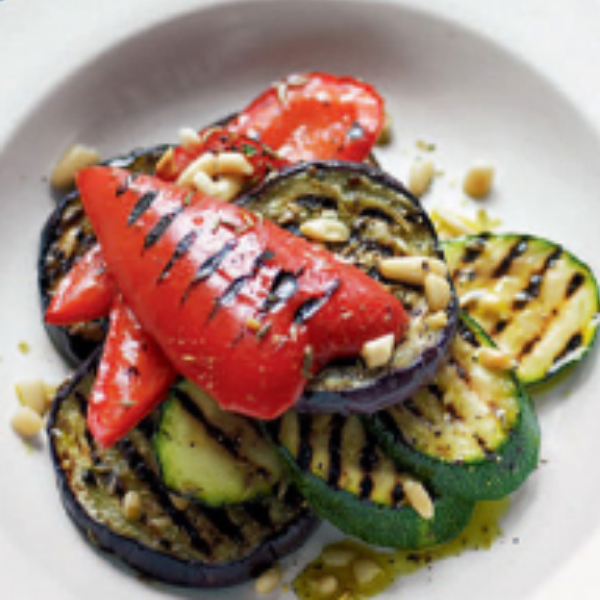
Honeyed Mediterranean Vegetables With Spiced Yoghurt Dressing. (Serves 4)
An easy vegetarian grill or barbecue dish, served with pittas. This recipe is from Waitrose and is so simple and full of flavour. Just 10 minutes to prepare and 20 minutes to cook.
Ingredients
1 red pepper, cored and cut into strips
1 aubergine, cut into 1cm slices
2 courgettes, cut into 1cm slices
3 tbsp olive oil
1 tbsp honey
1 tsp cumin seeds
1 tbsp toasted pine nuts
4 wholemeal pitta breads
100g natural yogurt
½ lemon, juice
1 tsp harissa paste
Method
Start the barbecue, if using, or preheat the oven grill to high. Toss the vegetables in 1 tbsp olive oil and, in 2 batches, barbecue over hot coals covered in a light layer of ash, or grill on a baking sheet, for 3–4 minutes each side, until charred and cooked through. Put in a large bowl.
Combine the honey, cumin seeds and remaining 2 tbsp olive oil, then toss into the grilled vegetables. Scatter with the pine nuts.
Barbecue or grill the pittas. Mix the yogurt, lemon juice and harissa to make a dressing. Serve with the vegetables and pittas.
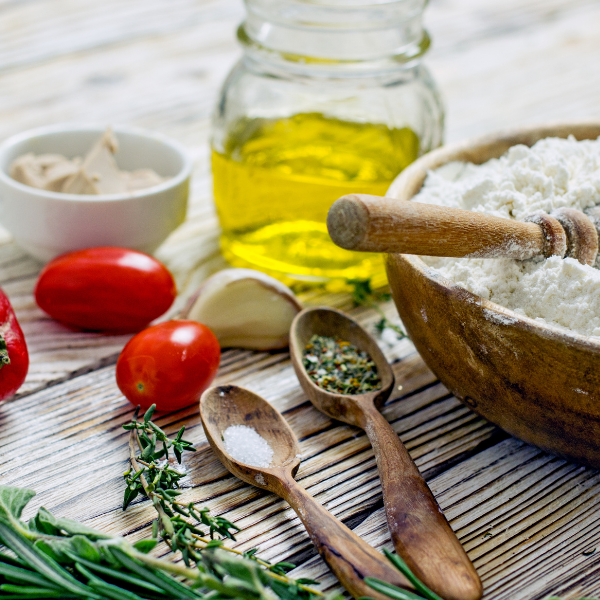
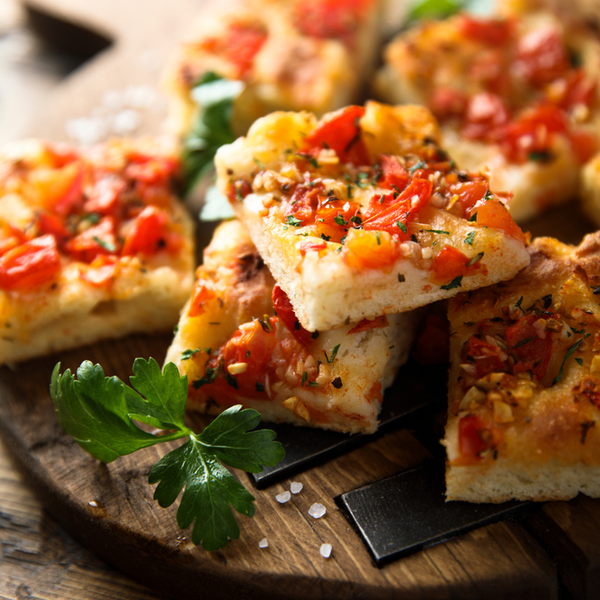
Summer Tomato Focaccia.
There’s something rather lovely about homemade focaccia.
Sweet tomatoes, rosemary and sea salt create a bread that feels quietly impressive and smells incredible while baking. Yes, it takes a little patience — it is bread, after all — but the results are absolutely worth it. This is an adapted recipe I’ve made over the years and it’s wonderfully versatile too. Think sliced red onion, roasted garlic or olives if you fancy experimenting.
Serve warm and watch it disappear.
Ingredients
2 cups of warm water
2 tsp yeast
2 tsp table salt
4 cups bread flour
Olive Oil
2 fresh rosemary leaves – or 3 tbs
1 pint cherry tomatoes
Grated parmesan and sea salt for sprinking
Method
Set the oven to 425F
Put the yeast in a large mixing bowl and pour in the warm water.
Add the salt and 2 cups of the flour, mix into a soft sticky dough. Add the remaining 2 cups of flour and mix well. (The dough will be sticky)Cover aqnd let it rise for 40 minutes in a warm place.
Press out the dough on a well oiled lined baking sheet. Using your fingers, ease it into a rectangle, approximately 9×13 inches, give or take.
Put the olive oil in a small bowl and dip your fingers into the oil and then all over the bread, poking the bread surface and leaving little pools ofm oil. Do this all over the bread. Don’t skimp, this will result in great flavour after the bread is baked.
Arrange the tomatoes accross the top, pressing them into the dough slightly, then scatter the rosemary leaves evenly accross thew surface. Sprinkle sea salt over all and finally top off with a dusting of parmesan cheese.
Bake for 18-20 minutes until lightly golden.
The rosemary will crisp up in the oven, so you may wish to scatter some fresh leaves on top of the bread after baking to refresh the rosemary flavour and give it visual appeal.
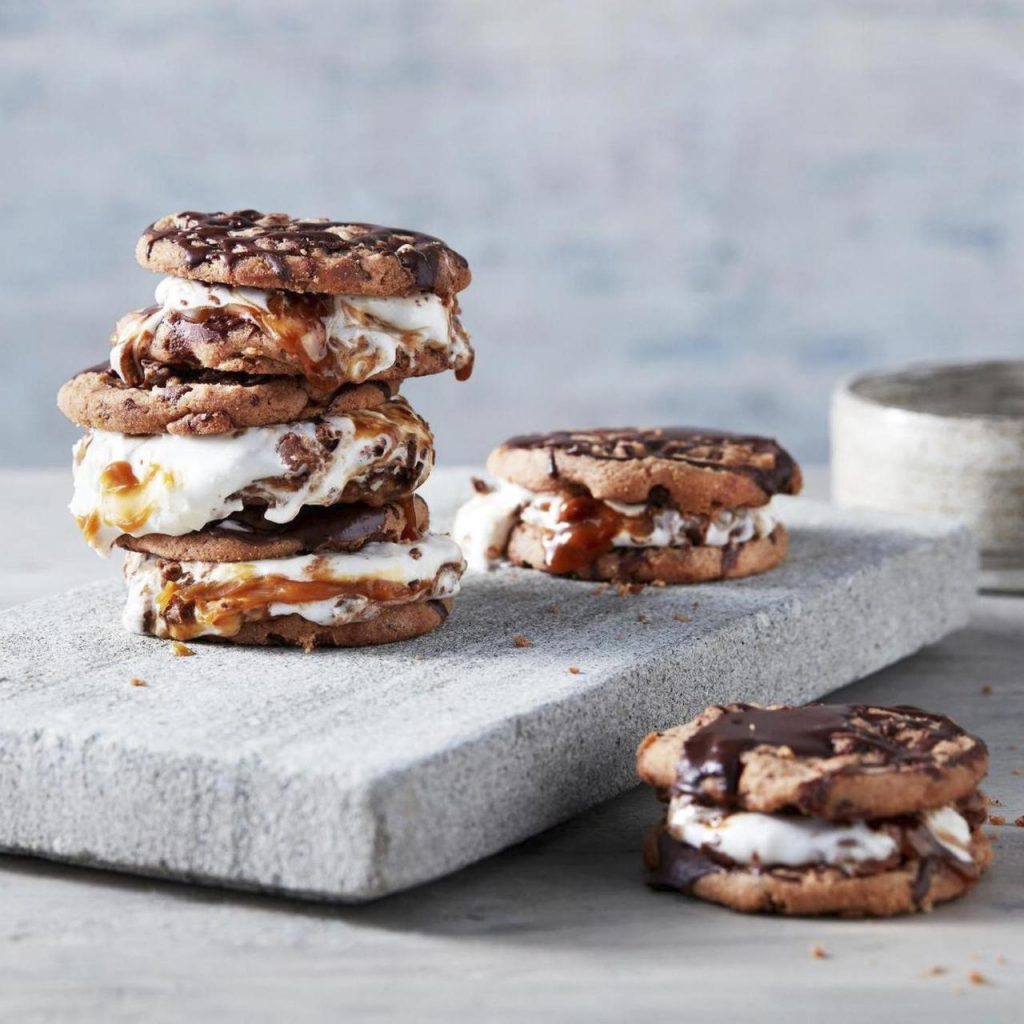
S’mores.
I first discovered s’mores during time spent in America before nurse training and I’ve loved them ever since. They’re nostalgic, slightly messy and guaranteed to disappear quickly.
Ingredients.
Packet of digestive Biscuits
2 packets of marshmallows.
50-100g chocolate (dark or milk) melted if you wish.
Method
Toast your marshmallows over the BBQ until crunchier on the outside and gooey in the middle. (On a rainy day, preheat the oven to 180C. Spread the marshmallows on a baking tray lined with greaseproof paper. Bake for 2-3 minutes, until golden and melting.)
Meanwhile, spread each cookie with the melted chocolate. (We often let the marshmallows do the melting so skip this bit!)
Spoon the toasted marshmallows onto cookies, then place the remaining cookies on top and squidge down to make a sandwich.
This is a treat you can have real fun with. I suggest you play around with a variety of biscuits and chocolate – the variations are endless! Although Marks and Spencers All Butter Chocolate Chip Cookies are the gold star! (image below) Lindt chocolate with sea salt or chilli are also great additions to your S’mores menu! They aren’t just for the children!
There is no real need for decorations when throwing a barbecue party – let the summer garden, in all its vibrant and luscious splendour, speak for itself.
Pippa Middleton
Summer Entertaining Ideas for Creating Atmosphere Outdoors
I’ve always believed that summer entertaining is less about elaborate decorations and more about creating atmosphere.
The garden itself often provides the loveliest backdrop.
A few thoughtful details can make everything feel relaxed and welcoming:
cushions and throws for cooler evenings
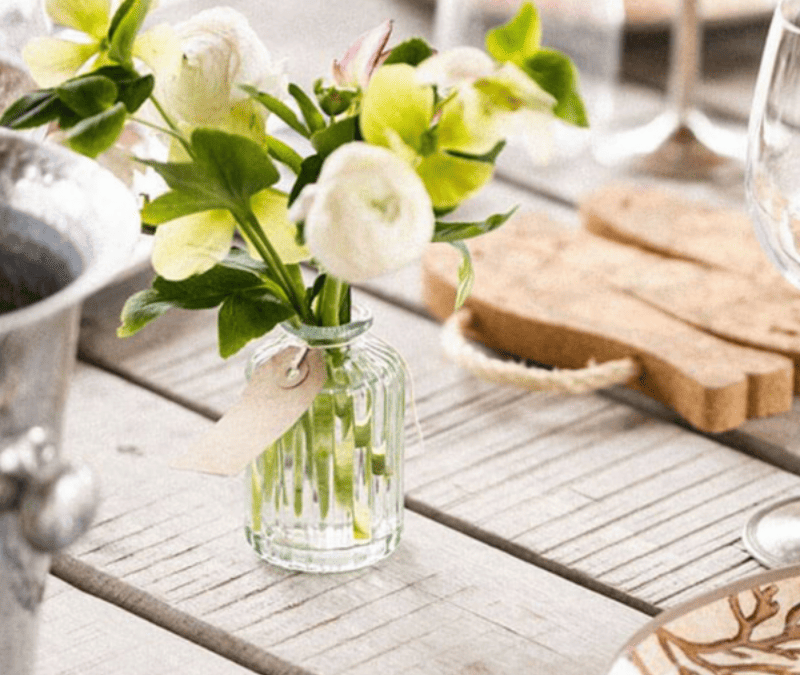
herbs or flowers gathered from the garden
simple glassware and sharing boards
music softly playing in the background
and layered lighting as dusk begins to fall.
Warm lighting changes everything outdoors.
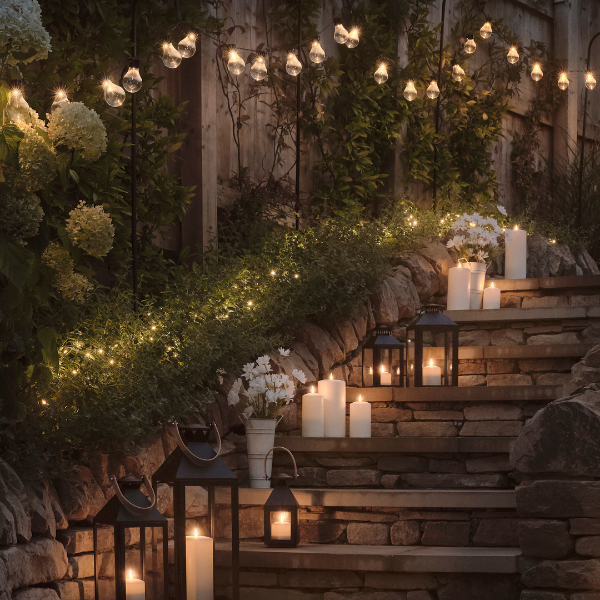
I’ve long loved using lanterns and soft garden lighting to create atmosphere, not overly styled but simple enough to make the garden feel welcoming as evening draws in.
The solar lanterns create a gentle glow around seating areas, whilst vintage-style festoon lighting overhead adds that effortless summer ambience that somehow encourages everyone to stay outdoors a little longer. I also love layering in subtle garden lighting, like the Ashford solar lights, to softly illuminate pathways and borders as evening falls.
For me, outdoor spaces rarely need overcomplicating. A softly lit table, seasonal flowers, good food, and relaxed company are often more than enough.
And perhaps most importantly, resisting the urge to make everything look too perfect. Some of the loveliest evenings happen when the table is slightly windswept and conversation takes over.
I’ve gathered a few outdoor entertaining favourites, including lighting and garden details, in mySummer Entertaining Edit
Further Summer Inspiration
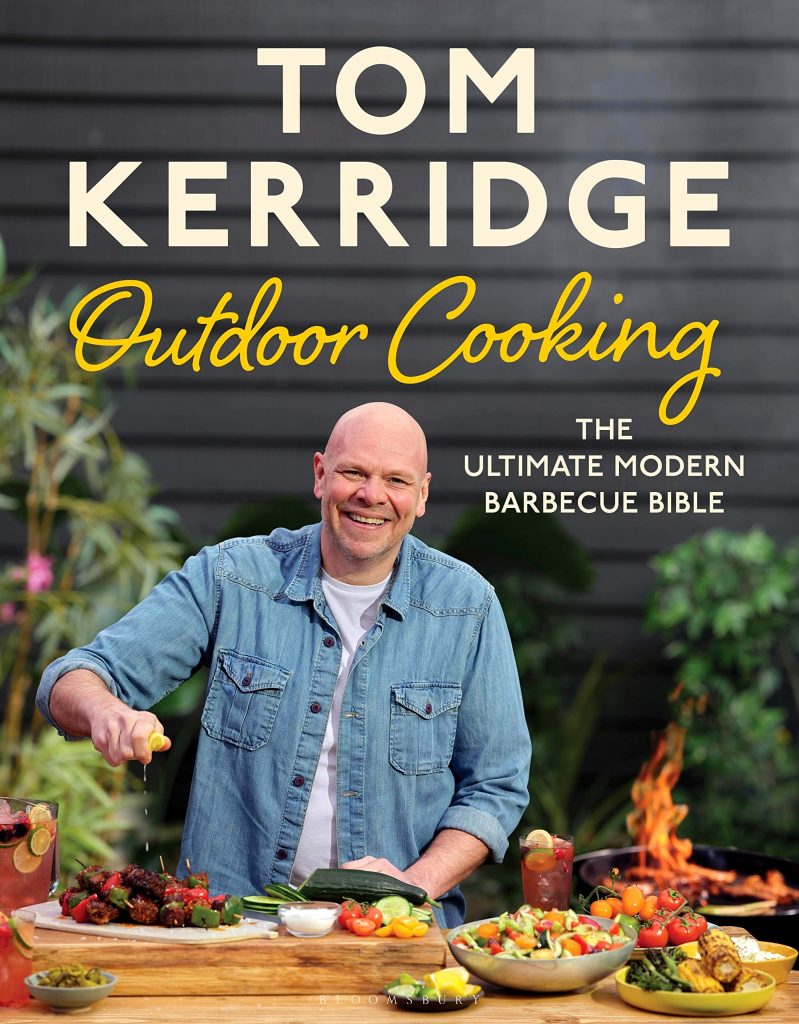
It’s no secret that I love a good cookbook.
Outdoor cooking has evolved beautifully and there are some wonderful chefs bringing fresh inspiration to seasonal dining.
I’d love to know which books or recipes you return to time and time again.
A Final Thought
Summer entertaining doesn’t need to be complicated. It doesn’t require matching tableware or picture-perfect gardens. Sometimes the simplest summer entertaining ideas are the ones guests remember most.
A relaxed meal outdoors, food prepared with love and people gathered around the table, that feels rather special to me.
I hope these summer entertaining ideas inspire your own garden gatherings and outdoor dining this season.
If you try any of the recipes, do let me know, I always love hearing what you’re cooking and sharing.
Wishing you a beautiful summer weekend wherever you are.
Join the Woman on a Mission Weekly Note
If you enjoy relaxed recipes, seasonal inspiration and ideas for creating more calm, confidence and beauty in everyday life, you’re very welcome in the Woman on a Mission newsletter.
Each week I share small rituals, reflections and ideas alongside the things I’m genuinely loving, making, wearing and learning along the way ♡
If you’ve ever found yourself wide awake at 3am wondering why sleep changes and suddenly feels harder than it used to, you’re not alone. With World Sleep Day taking place on March 13, it felt like the perfect moment to pause and think about how well we really rest — and why sleep changes in midlife for many women.
Sleep used to be something I took for granted. These days, I see it very differently. I’ve come to realise that good sleep sits at the foundation of almost everything — our energy, mood, hormones, focus and overall wellbeing. When we sleep well, everything seems to work a little better. Our immune system is stronger, our mood steadier, our thinking clearer and we simply feel more like ourselves.
Which is why sleep matters so much. This year’s World Sleep Day theme, Sleep Well, Live Better is a powerful reminder that good sleep isn’t a luxury, it’s an essential foundation for physical, mental and emotional health.
In this Blog, I’m sharing a few simple habits that can make a meaningful difference to your sleep, along with some reflections from my own experience over the years.
Why sleep changes in midlife for many women.
Many women notice sleep changes in midlife as hormonal patterns shift. Sleep can become lighter, more disrupted or we may find ourselves waking during the night and struggling to drift back to sleep again. Early morning waking, busy thoughts and restless nights can suddenly become more common.
If that sounds familiar, please know you’re not imagining it and you’re certainly not alone. While hormonal changes play a role, lifestyle factors such as stress, screen time, diet, caffeine and daily routines can also influence how well we sleep. The encouraging news is that small changes to our habits and environment can often make a meaningful difference.
Image Credit: The White Company
What I’ve learned about sleep over the years.
Over the years my own routine has included early nursing shifts, raising children, running early morning fitness camps and retreats and many mornings supporting my children through their swimming training. For a long time I simply pushed through tiredness, assuming that was part of life. However, having spent much of my career working in healthcare, I’ve seen first-hand how important rest and recovery are for both physical and mental wellbeing.
More recently I was reminded just how powerful good sleep really is. After a few weeks of poor sleep myself, I experienced the difference a truly good night’s rest can make. Waking up refreshed changes everything — your energy, your mindset and how you move through the day. Sleep isn’t a luxury. It’s one of the most important foundations of our health, energy and resilience.
Why good sleep matters for your health.
Quality sleep supports almost every system in the body.
When we consistently sleep well we often notice improvements in:
memory and concentration
mood and emotional wellbeing
immune function
metabolism and energy levels
physical performance and recovery
stress management
creativity and clear thinking
overall resilience
In short, sleep is one of the most powerful foundations of wellbeing.
Simple habits that support better sleep
While there’s no single perfect routine, there are small habits that can help support deeper, more restorative sleep.
Create a calm wind-down routine
Try turning off televisions, laptops and phones at least an hour before bed. The blue light and mental stimulation from screens can make it harder for the brain to settle.
Read something relaxing
Fiction can be a wonderful way to wind down before sleep. Unlike work-related or non-fiction reading, it allows the mind to relax rather than analyse information.
Keep a notebook by the bed
If you wake with a racing mind or a thought you’re worried about forgetting, write it down. Often that simple action helps quiet the mind and makes it easier to fall back asleep.
Keep your bedroom cool, dark and calm
A comfortable sleep environment can make a huge difference. A cool, dark room supports the body’s natural sleep rhythm.
Get outside during the day
Fresh air and natural daylight help regulate our internal body clock. Aim to spend at least 30 minutes outdoors each day, even during winter.
Support relaxation in the evening
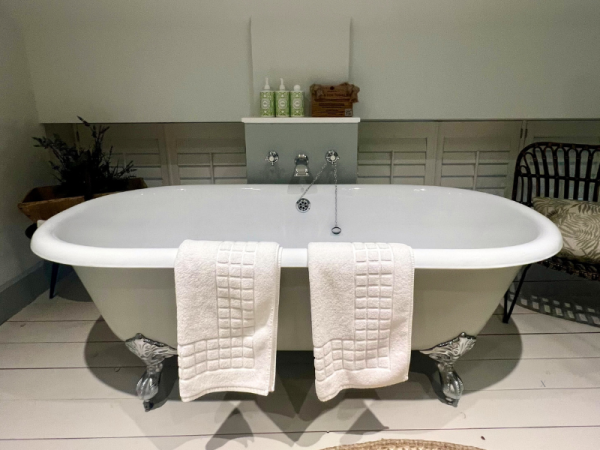
A warm bath with magnesium salts or oils can help relax both body and mind before bed.
Be mindful of caffeine and alcohol
Reducing caffeine, alcohol, sugar and heavy evening meals can significantly improve sleep quality.
Creating a restful sleep environment
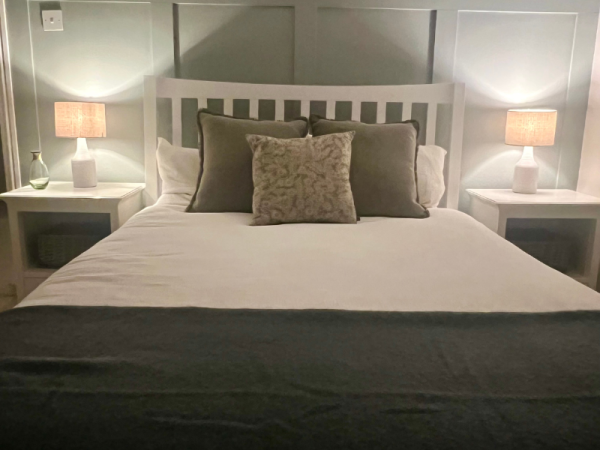
Sometimes the smallest changes make the biggest difference. A tidy bedroom, fresh air and comfortable bedding can transform how a space feels at night. Opening the windows in the morning to let fresh air circulate can also make a surprising difference to how the room feels when evening arrives.
There’s something wonderfully comforting about climbing into a freshly made bed at the end of the day.
Little rituals like this help signal to the body that it’s time to slow down and rest. Recently I’ve also been using a seriously soft sleep mask to block hotel room light when travelling, as well as early morning light at home. It’s been surprisingly helpful as the mornings become brighter again in spring.
If you’re looking for ideas to support rest and wellbeing, I’ve also put together a small Reset Collection of pieces I love that help create calm daily rituals and to aid sleep.
Start with one small change.
Understanding why sleep changes in midlife can help us approach rest with more patience and make small adjustments that support better sleep.
Remember you don’t need to change everything overnight! Choose one small habit to try this week and see how it affects your sleep. Better rest doesn’t just help us feel more energised, it helps us show up more fully in every area of life. If sleep has felt a little harder lately, perhaps this is your reminder to prioritise it again.
Sometimes the key isn’t doing everything perfectly, but simply being consistent with small supportive habits.
If you enjoy tracking your routines and building positive habits over time, you might find my Consistency Tracker helpful. It’s a simple way to stay mindful of the small actions that support your wellbeing day to day.
I’d love to hear from you. Have you noticed your sleep changing in midlife, or do you have a habit that helps you wind down and rest well? Feel free to share your thoughts or favourite sleep tips in the comments below. Your experience might help someone else who is struggling with sleep too.
Sleep well.
PS If you enjoy reflections like this, I share weekly thoughts on wellbeing, organisation, lifestyle and midlife health in the Woman on a Mission newsletter.
Life gets busy and if you’re searching for meal prep tips for busy people, you’re definitely not alone. One of the most common things I hear is this: “I want to eat better… but I just don’t know what to cook when time is tight.”
When your to-do list feels endless and you finally open the fridge at the end of a long day, decision fatigue kicks in fast. Cooking a proper meal can feel overwhelming, especially when energy is low and evenings are rushed.
Let’s make it easier.
Meet Mary. She’s a busy mum juggling two jobs, school runs and after-school clubs across town. By the time she gets home, it’s dark, cold and she just wants something warm and comforting. Cooking from scratch feels overwhelming, so she reaches for takeaway menus, toast, cereal… or sometimes nothing at all.
If this feels a little too relatable, you’re not alone. And the good news? With a few simple habits, feeding yourself and your family can feel easier, calmer and far less stressful.
Here are my go-to tips for eating well when time feels tight.
Meal Prep Tip 1 : Plan Your Weekly Menu First
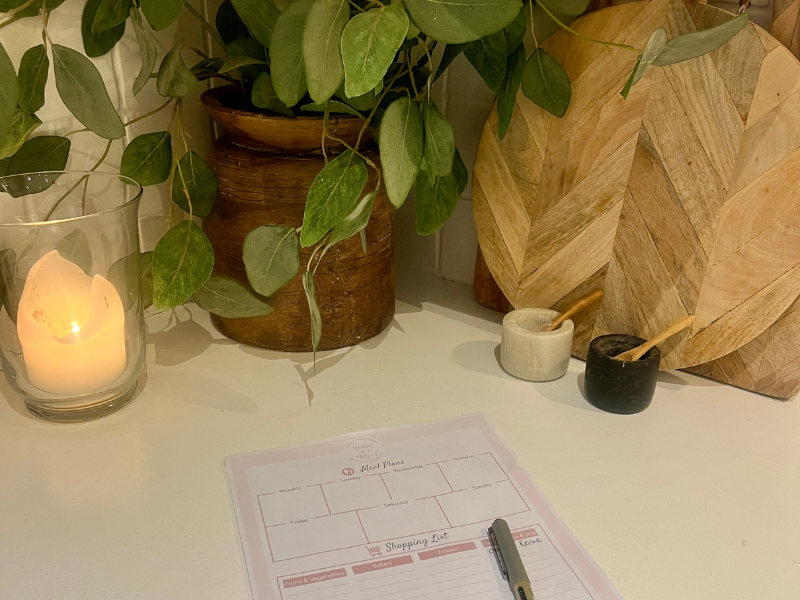
Before I even write my shopping list, I create a simple weekly menu. Nothing fancy, just a rough plan of dinners for the week ahead.
This helps in three big ways:
You know what you’re eating (no last-minute panic)
Shopping becomes quicker and cheaper
The dreaded “What’s for supper?” question disappears
Meal Prep Tip 2 : Write a Purposeful Shopping List
Once your menu is set, your shopping list becomes purposeful.
It helps you avoid those “just popping in for one thing” trips that always end with three extra items and a bigger food bill. Shopping with a plan saves time, money and mental energy and makes healthy choices easier. These meal prep tips are simple, realistic and designed to fit into busy, everyday life, not add more pressure.
Meal Prep Tip 3 : Batch Cook to Save Time
One of my favourite habits is batch cooking. I often use a quiet Saturday afternoon to get ahead for the week (or even the month).
Cooking in bulk means:
You always have meals ready for busy nights
You’re less tempted by takeaways
Unexpected guests become stress-free
You save time during the week
Future-you will always thank past-you for this one. One of the reasons I love sharing meal prep tips is because they help remove daily stress around food and bring more calm into the home.
Meal Prep Tip 4 : Use a Slow Cooker for Easy Dinners
At this time of year especially, my slow cooker is a lifesaver.
You can throw ingredients in before work, head out the door, and come home to a house that smells like comfort and warmth. Add rice, potatoes or veggies and dinner is done.
Simple. Nourishing. No stress.
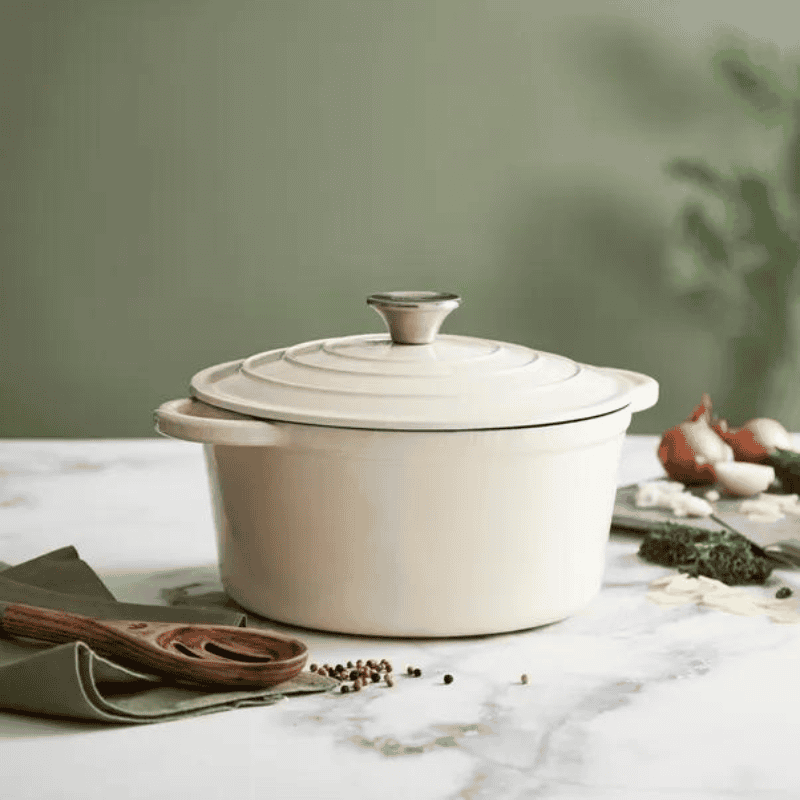
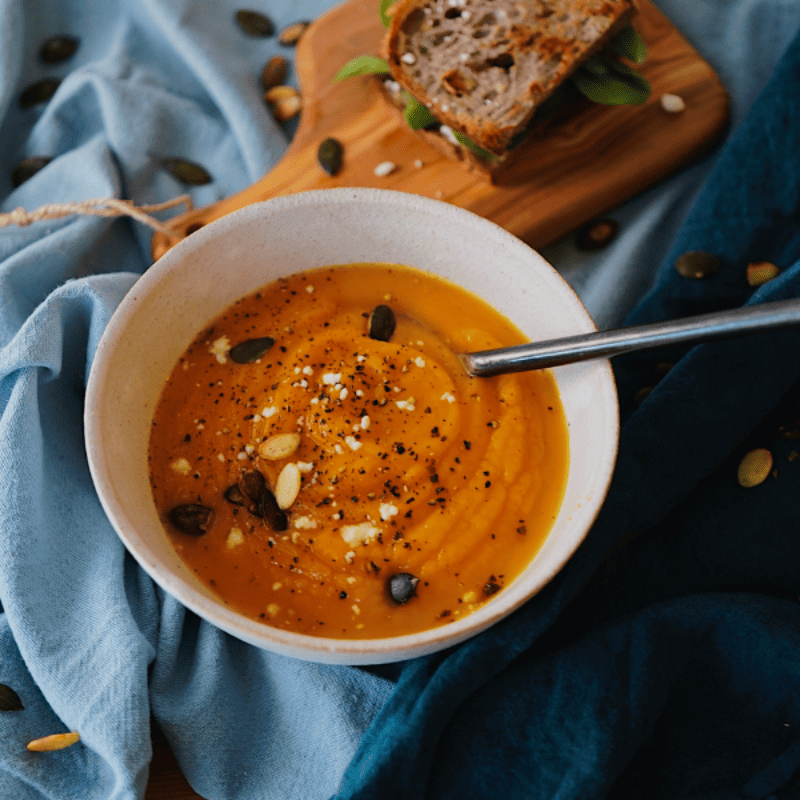
Meal Prep Tip 5 : Make Soup Your Go-To Meal
Soup is one of the easiest, most versatile meals you can make, especially when life feels hectic.
It’s perfect for lunches, quick dinners, freezer storage and using up leftover vegetables. Whether you use a soup maker or a good old pot and blender like me, it’s a brilliant way to eat well with minimal effort.
Why Meal Prep Helps Busy People Create Calmer Evenings
Spending a little time preparing ahead can completely transform your evenings.
A stocked freezer. Less decision fatigue. More family time. More space to relax.
And most importantly, less stress around food. These meal prep tips work because they reduce decision fatigue, save time and create more breathing space at the end of the day.
Enjoy more “me time” by doing more things you love.
If you try any of these tips this week, I’d love to know how you get on. Maybe it’s reminded you of habits you’d forgotten… or helped you create new ones that support your lifestyle. If you’ve been feeling overwhelmed in the kitchen, I hope these meal prep tips help you feel more supported and organised this week. Leave me a comment or join our conversation on Instagram.
This blog has been refreshed for Christmas 2025 with updated tips and
preparation advice to make your festive cooking even easier.
With Christmas approaching and guests arriving to celebrate, my go-to Christmas Eve recipe is this Mary Berry Christmas Game Casserole. It’s delicious, impressive and perfect for preparing ahead, saving you time in the kitchen and allowing you to fully enjoy the festivities with family and friends. I recently shared a behind-the-scenes Instagram story of me making it and the response was incredible, so I knew I had to share the recipe with you. guests arriving to celebrate Christmas with you, this is my go to Christmas Eve recipe which will delight your guests and save you time.
Why Prepare Ahead For Christmas Eve
Christmas should be about relaxing and enjoying time with your loved ones, not stressing over the kitchen. Preparing this casserole ahead of time means:
You can freeze it and reheat on the day.
Flavours have time to develop, making it even tastier.
You can spend more time with your guests instead of being stuck in the kitchen.
Stunning Christmas calmness with Country Abodes
Mary Berry Christmas Game Casserole (serves 8)
Ingredients
Vary the proportion of meats as you like, and, if you have difficulty getting the exact amounts of mixed game, you can make up the difference with braising beef or Boneless chicken. In season, some supermarkets sell packs of mixed game – often including venison, pheasant, rabbit, wild duck and pigeon.
1.4kg (3lb) mixed game meats (see above)
2 tablespoons sunflower oil
75g (3oz) butter
200g (7oz) smoked bacon lardons
450g (1lb) whole frozen chestnuts, thawed
4 leeks, thickly sliced on the diagonal
50g (2oz) plain flour
300ml (½ pint) red wine
600ml (1 pint) chicken stock
4 tablespoons redcurrant jelly
salt and freshly ground black pepper
1 large orange
To Serve
2 tablespoons chopped fresh parsley
1 orange, sliced
Method
Trim the meats and cut into 5cm (2in) pieces.
Heat the oil and half of the butter in a large non-stick frying pan or casserole. Brown the game and bacon over high heat in batches. Remove with a slotted spoon and set aside.
Add remaining butter and brown the chestnuts. Remove with a slotted spoon and set aside. Add leeks and fry briefly over a hot heat.
Sprinkle in the flour, gradually blend in red wine, stock and redcurrant jelly. Bring to the boil, season with salt and pepper then add the whole orange and meats.
Cover and cook over low heat for 1½–2¼ hours (or in a 160°C / 140°C fan / Gas 3 oven for similar time) until meats are tender. Check halfway and add stock if needed. (You could also cook the casserole in the oven preheated to 160°C/Fan 140°C/Gas 3 for about the same time.)
About 15 minutes before finishing, add chestnuts.
Once the game is tender, lift the softened orange into a sieve, cut in half, stand over a bowl and push the orange through the sieve, collecting the juice. Gradually stir the juice into the casserole until the taste is perfect. Check the seasoning and add a little more stock if the casserole is still a little thick.
Garnish with freshly chopped parsley and orange slices. Serve with your choice of sides.
Top Tips
Serve as Individual Pies
Cook the casserole as directed.
Roll out a 375g packet of ready-rolled puff pastry slightly larger than needed.
Cut 8 circles (10cm / 4in), crimp edges, lightly mark diagonal pattern, glaze with beaten egg.
Bake at 200°C / 180°C fan / Gas 6 for ~15 mins until golden.
Serve a spoonful of casserole topped and a puff pastry circle on top to make individual “pies”.
Preparing Ahead
Casseroles taste even better after a day or two as the flavours have chance to mellow, and this one is no exception
Cook the casserole as directed. Cool quickly, cover and keep in the fridge for up to 2 days.
Reheat gently, adding extra stock if needed.
Freezing
Cool casserole to the end of stage 4, then freeze up to 3 months.
Thaw thoroughly, reheat gently, adding liquid if needed, garnish with parsley and orange slices.
Aga Cooking
Simmering Plate: Cook to end of stage 4.
Boiling Plate: Bring to boil, cover, transfer to Simmering Oven for 2½ hours until tender. Continue as above.
Serving Suggestions
This casserole is perfect with:
Buttery egg noodles or creamy mashed potatoes
Roasted carrots, parsnips, or a fresh green salad
Crusty bread to soak up the rich sauce
What’s better than a Christmas Walk on the beach before coming home to a delicious meal with the family.
Why This Recipe Works
Make-ahead friendly
Freezer safe
Flavours improve over time
Simple to serve for large groups.
It’s a real lifesaver for a stress-free Christmas Eve — and your guests will be impressed!
Enjoy Stress-Free Festive Prep
Preparing this casserole ahead of time means you can relax, laugh and fully enjoy your Christmas celebrations. It’s a perfect example of how planning can make Christmas calm, joyful and memorable.
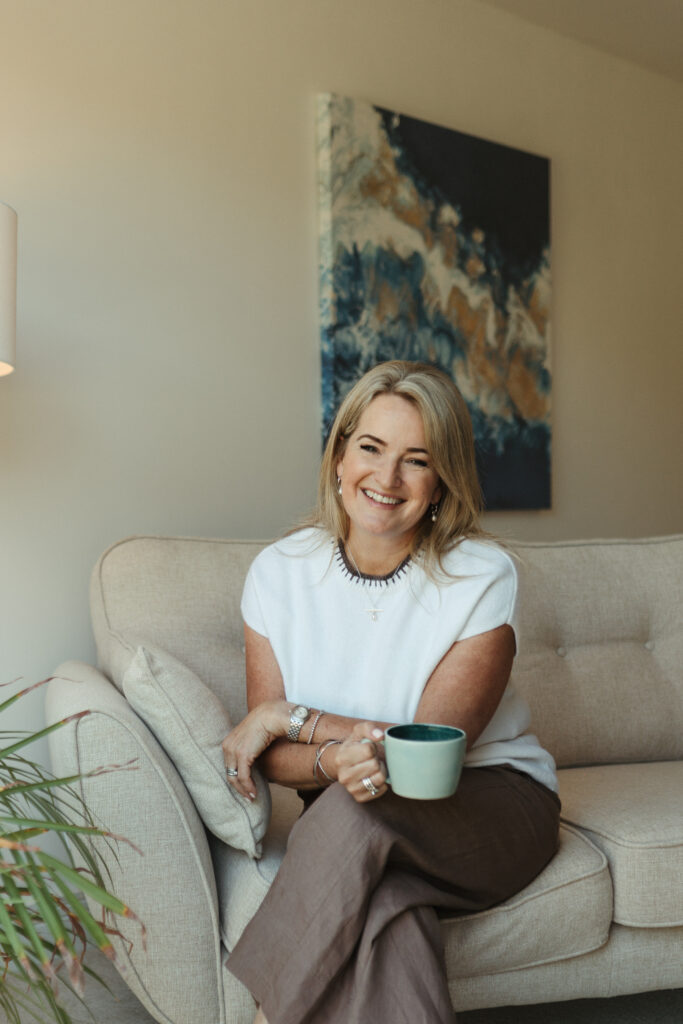
Hello and welcome! I’m Claire, founder of Woman on a Mission, a place designed to help women feel calm, confident and energised every day. Here on the Woman on a Mission blog, I share practical tips, inspiration and small, meaningful missions to support you in your home, lifestyle and wellbeing.
I’m so pleased you’re here. Grab a comfy seat, a cup of something lovely, and let’s dive in.
My Story.
I’ve always loved helping people feel their best. My first career was in Oncology Nursing, where I learned the true meaning of compassion, resilience and balance. After becoming a mum, I retrained as a Personal Trainer and Wellness Coach, creating Devon Fit Camp and later wellbeing retreats across the UK and Europe. Those years taught me that true wellness isn’t just about fitness, it’s about creating calm and confidence in every part of life.
My journey has also been shaped by my experiences with cancer, both personally and professionally. At the time of writing, I’ve completed the London Marathon four consecutive years, raising funds for Coppafeel! and Cancer Research UK and a couple more since for DKMS, the Blood Cancer Charity, of which I’m a proud ambassador. These causes are incredibly close to my heart, and you’ll find more about my fundraising and advocacy work here.
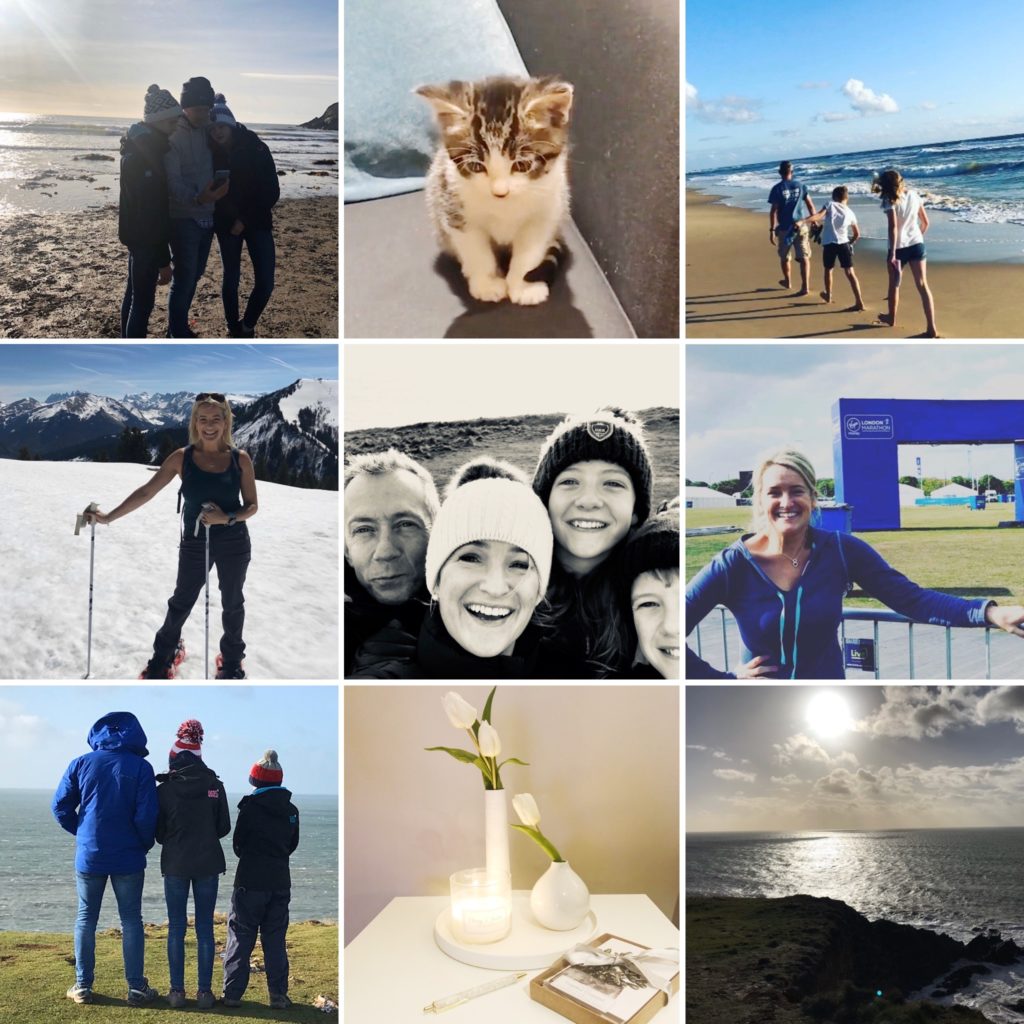
I love seeing my friends and family happy, being by the sea, interiors, candles, white flowers, a good Sauvignon (although I’ve been pretty tee-total over the last year or so) and sunny days, whatever the season.
Why Woman on a Mission Matters ?
Woman on a Mission began as a way to support the women I coached who wanted to feel more in control of their lives. It’s now a lifestyle brand that blends wellbeing, organisation, interiors and mindset. My mission is to help women feel calm, confident and energised, one small mission at a time.
Life is full of missions, big and small. Whether it’s creating healthier routines, tackling a home project, or simply taking a moment for yourself, each mission is a step toward a more balanced and fulfilling life. Your mission might be big or small, from tackling a renovation to simply leaving the house on time. Whatever it is, doing it well starts with looking after yourself first.
These mini missions are small but effective. One a week adds up to 52 in a year, 52 ways to bring positive, motivating habits into your life. Here on the blog and my Instagram, I share “mini missions” and Power Hours, small actions that can make a surprisingly big difference.
A Little About Me.
You’ll usually find me hiking along the Devon lanes (especially as the sun comes up) or out on the South West Coast Path, one of my favourite places to reset and refocus.
I can also be found at the gym or at the pilates studio, at my desk, pottering in the garden or decorating! I love being outside, feeling fit, and making our home a calm, happy space. With my children all grown up and at university, life has taken on a new rhythm, but I still love being an active and involved mum. they still swim competitively and we love to support them.
You’ll also hear me talk about my favourite “F words” — Fun, Food, Fitness, Faith (self-belief), Friendship, Family, Finance, and Focus, the foundations of a happy, fulfilled life. And of course, there are a few “f**k it” moments too, because we’re all human!
Your Mission, One Step at a Time
Whatever your mission in life, work, home, or garden, it’s good to know someone is there to support you. Our house is our home, our castle, the place we feel safe and special, and as we spend our downtime there, let’s focus on how to feel amazing while at home.
I live my life one mission at a time, hence the name, but my passion is to share my nuggets with as many people as I can. On this blog, I’ll be sharing insights on home and living, lifestyle, wellbeingandorganisation.
Join Me.
If you’re ready to create a calmer, more confident life you love, you’re in the right place. Join my Woman on a Mission community to get inspiration, practical tips and a sprinkle of motivation straight to your inbox.
I’m delighted to welcome you to the Woman on a Mission Blog. Let’s make this next chapter your happiest, most balanced one yet. This is a place where I hope to help you create boundaries around what matters most, so you feel in control and able to live guilt-free while accomplishing what’s important to you.
I’d also love to know more about you, how you found the blog, what brought you here and what you’d love to see more of. I always read the comments and truly enjoy getting to know this wonderful community, so please do say hello below. I can’t wait to hear from you.
Whether you're looking for wellbeing inspiration, home ideas, organisation tips or trusted lifestyle recommendations, I'm so pleased you're here.
I share regular newsletters filled with thoughtful ideas, favourite finds and simple inspiration to help make everyday life feel a little calmer, healthier and more organised.
I'd love to welcome you to the Woman on a Mission community.