I don’t know about you, but during Lockdown, I took my eye off the ball regarding my nutrition, really and truly. As a family we eat a well-balanced, healthy diet, but Lockdown came along as did the warm temperatures and it was a little bit like we were on holiday. I say a “little bit” I don’t mean to offend anyone, but having had many conversations about peoples Lockdown experiences, I know I’m not alone in saying that meals as a family became a focal point. We are usually driving in all directions, so to have our swim training sessions cancelled, we were suddenly faced with evening meals together – if you know me, you’ll know that’s super rare!
Anyway, this week our lives are heading back to normal and so enough is enough.. My Mission, should you wish to join me is to get back to my old ways, focus on doing the right thing nutrition wise and ditch the additional sugars that have crept back in – yes I do mean chocolate and wine! Are you with me..?
It’s time to get real…
Before we get down to the nitty gritty, let’s get real..
There are so many stories we tell ourselves about nutrition – the right things to do, the things we know we should do and yet so many of us fall into this healthy eating trap..
I wonder if any of these scenarios sound familiar,..?
“I missed out on breakfast but met a friend for coffee and a cinnamon roll, so I’ve been ok nutritionally today – it all equals out doesn’t it?”
“I skipped lunch and grabbed a quick coffee and piece of chocolate cake in the afternoon instead..”
“I grabbed a quick juice and granola bar at the coffee shop on the way to a meeting – that’s healthy right..?
Now on the surface, there is no BAD thing about any of these sentences.. depending on your Mission..
If you are trying to lose weight, wanting to drop some body fat or maintain a healthy lifestyle, the stories we tell ourselves can STOP us in our tracks.
So if like me, you’ve relaxed a little on the nutrition front during Lockdown, and despite getting in regular fitness, your clothes aren’t feeling what they were, check out the little habits that may have sneaked back into your daily routine… I’ll touch on alcohol and other key mistakes we make, in another blog but for now,
Let’s look at sugar..
A typical cappuccino and granola bar from a well known coffee shop will rack up a whopping 480 calories and 37 grams of sugar – that is the same as 9.25 teaspoons of sugar!
A passion fruit and mango drink and a blueberry muffin for example would equate to 601 calories and 87 grams of sugar which is the same as 21.75 teaspoons of sugar!!
It’s surprising isn’t it..? On the surface a fruit drink and a blueberry muffin appears to be a healthier option over the chocolate cake and the gingerbread latte laced with syrup but it’s the hidden sugar and the so called “healthier option”s we need to be mindful of.
The World Health Organisation(WHO) guidelines (2019) recommends a maximum of 5-10 teaspoons of “free sugars” per day.
This includes glucose and dextrose, fructose, household sugar (sucrose), as well as malt sugar (maltose) and also sugars that are found in honey, syrups, fruit juices and fruit juice concentrates. Free sugars are either added to foods ourselves, for example sugar in coffee, honey in muesli, but they are also found in many processed foods, such as ready meals, soft drinks, cookies and sugar in desserts.
The WHO guidelines do not refer to sugar that is found naturally in fresh fruit or milk.”
Sugar is added to many foods in various quantities: a glass of lemonade (200 ml) contains an average of 20 g sugar, a fruit yoghurt pot (200 g) contains 25-30 g sugar and one strip of milk chocolate (16.7 g) contains about nine grams on average.” (WHO, November 2019)
Incidentally, it was announced in 2018, that the advertising watchdog have ruled that not enough had been done to prevent the ads being viewed by under-16s and they have therefore banned adverts by Cadbury’s, Chewits and Squashies. Incidentally, did you know a 100g bag of squashies (pink and white sweets) contain approximately 80grams of sugar.. that’s 20 teaspoons!)
We know that chocolate and sweets are not the healthy option to treat our children and grandchildren however, more does need to be done to ensure there is more awareness of the sugar content of sweets found in supermarkets, however it is slowly improving..
So what now…?
It’s all a stark reminder isn’t it? But what do we do? I beleiove that being more aware and being mindful is half the battle. As I shared above, it’s amazing how the teaspoons of sugar can creep into our diet without even realising. If in doubt, check the labels.
I love the app, “Food Scanner” created by the NHS Choices / Change for Life team. It’s designed to show quickly and easily how much sugar, sat fat and salt is inside your food and drink – just by scanning the barcode. My children love it – it’s a fun way to create more awareness about the foods we eat and more importantly the choices we make.
Change4Life App
To find out more, you may be interested in That Sugar Film, where Damon Gameau embarks on an experiment to document the effects of a high sugar diet on a healthy body. It’s fascinating. I’ve linked the trailer to give you a little laster, parden the pun!
Let me introduce you to a tool that’s helped me (and so many of my clients) find clarity, focus, and motivation — the Power of an Hour.
It’s beautifully simple: one hour of focused time dedicated to a single mission or task. No distractions. No pressure to be perfect. Just progress.
Do You Ever Feel Overwhelmed?
Maybe you have a mountain of things to do and don’t know where to start.Or perhaps it’s just one task, but it feels so big, you’ve overthought it into paralysis.
When that happens, we procrastinate, scroll through our phones and do everything but the thing. Sound familiar?
Here’s How To Use The Power Of An Hour:
Decide on your Mission. What’s one thing you want to achieve today?
Turn off distractions. Notifications off, phone away.
Set your timer for one hour.
Get started. No overthinking, just action!
Why It Works?
Putting gentle urgency around your Mission helps you focus and get results. You’ll be amazed how much you can do in 60 distraction-free minutes. For a deeper dive into mindfulness and staying present, I highly recommend The Power of Now by Eckhart Tolle. You can find it here on Amazon
“The Power of an Hour is such a help to me as I can’t physically do as much as I used to do. The Power Hour is such a string and positive name, it doesn’t make you feel feeble that you can only manage an hour!! Thanks for sharing, it’s been life changing for my husband and I”
Alice
What If You Don’t Have A Full Hour?
That’s completely fine! Even 20 or 30 minutes of focused time can make a huge difference. Sometimes it’s not the task itself that’s hard, it’s getting started.
Remember, your Power of an Hour doesn’t have to be about productivity. It could be about recharging your mind or taking care of yourself. Self-care and mental wellbeing are far more important than an empty inbox or a completed to-do list.
Some Ideas To Get Your Started:
Have a long soak in the bath with a good book..
Call a friend you’ve been meaning to catch up with.
Get outside for a walk in the the fresh air.
Make It Yours.
Whatever you decide to do with your Power of an Hour:
Do it with intention
Without scrolling through your phone
Without interruption..
This is YOUR time!
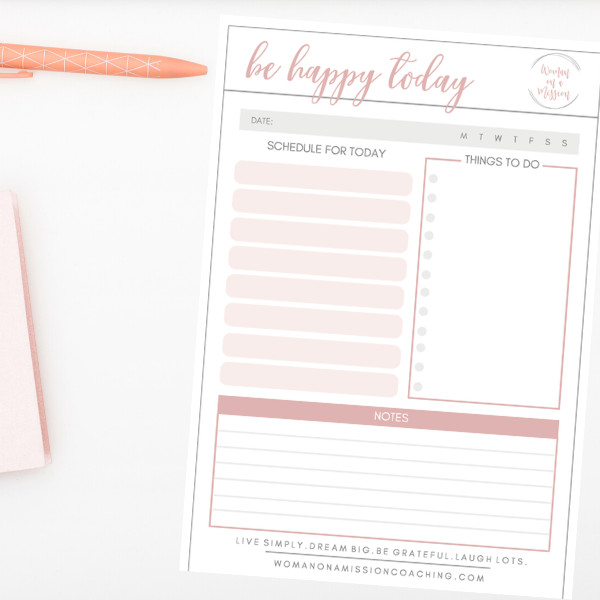
The Power of an Hour is a simple, powerful way to bring focus and intention into your day. I’ve shared my free daily planner and other tools in the Organisation section, they really help me make the most of my Power Hours.
What will you do with your next Power of an Hour?
I’d love to know, join in the conversation on my Instagram, Facebook or comment below.
Feel free to tag me into your #powerofanhour and use this hashtag! I’d love to know how you find using this simple tool and what an effect it has on your daily life and routine.
Gardening really is good for the soul and it’s been proven to support mental wellbeing too.
Time spent outdoors, hands in the soil, surrounded by nature, helps us slow down, breathe, and reconnect.
Recently, my friend and talented garden designer Alice Blount joined me to answer some of your top gardening questions from Instagram. Together, we’ve gathered practical advice, easy ideas, and inspiration to help you create a garden that feels calm and rewarding.
Why Gardening Boots Your Mind and Mood
Gardening helps reduce stress, encourages mindfulness, and even improves happiness. Whether it’s planting seeds, arranging flowers or simply enjoying a cup of tea outside, gardens bring a sense of calm and purpose to everyday life. Read more here
“Plants and gardens have the power to uplift us. It’s more important than ever that we savour the beauty of flowers and trees because gardens are a natural tonic.
If you don’t have a garden or any indoor plants, remember to pause and appreciate the natural world around you when you take your daily exercise. Take a moment to enjoy plants next week and I know you will feel better for it.
It’s proven that plants and gardening have a positive effect on our mental health and happiness. They uplift us, they heal us, they bring us closer to nature. They attract life and offer hope and we could all do with more of that right now.”
Alan Titchmarsh
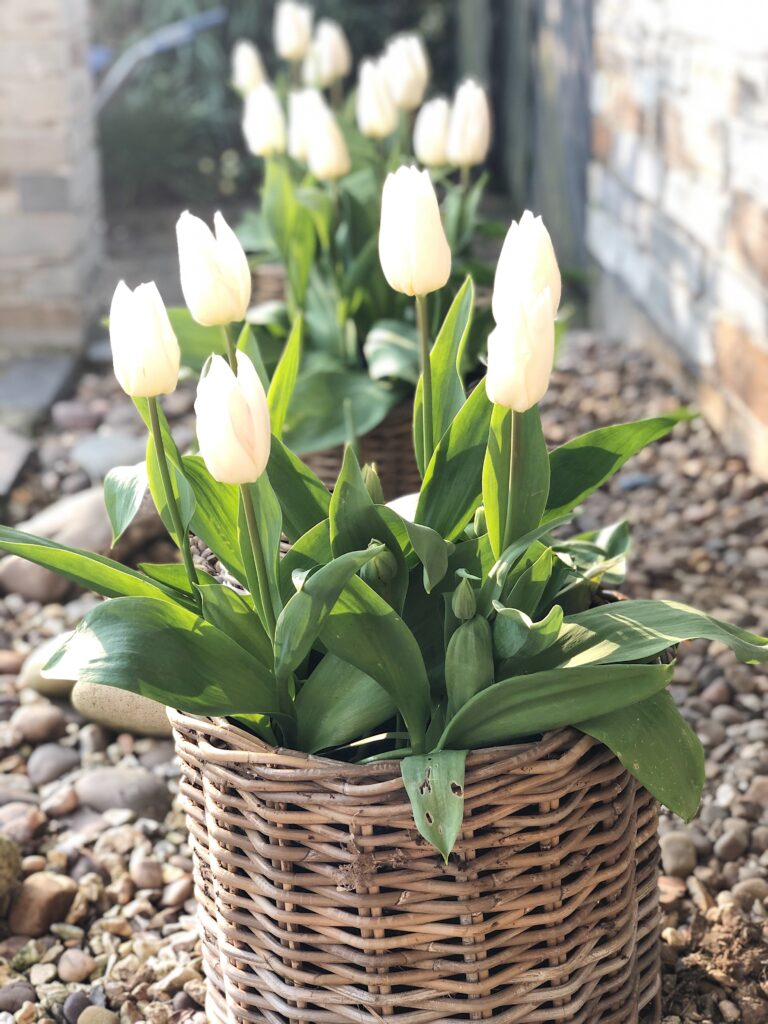
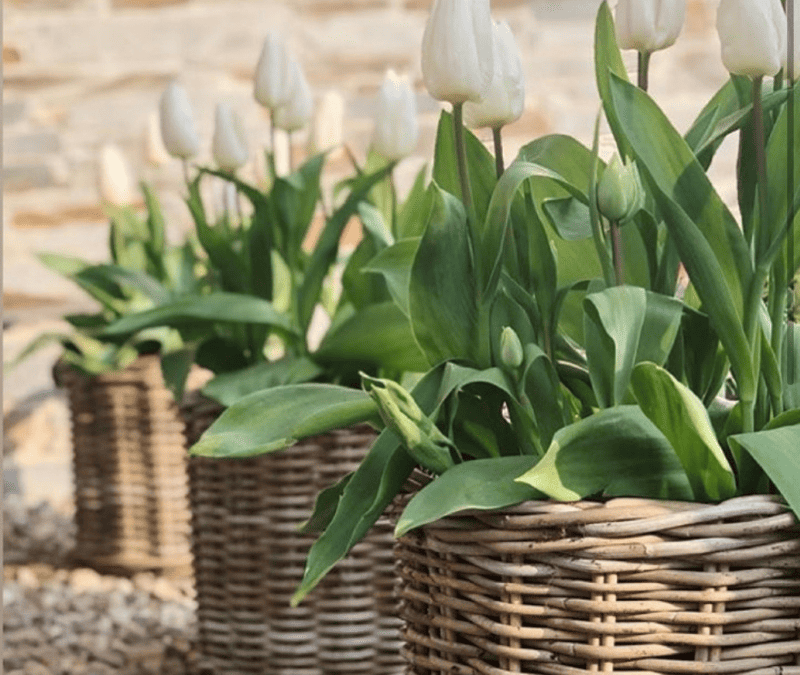
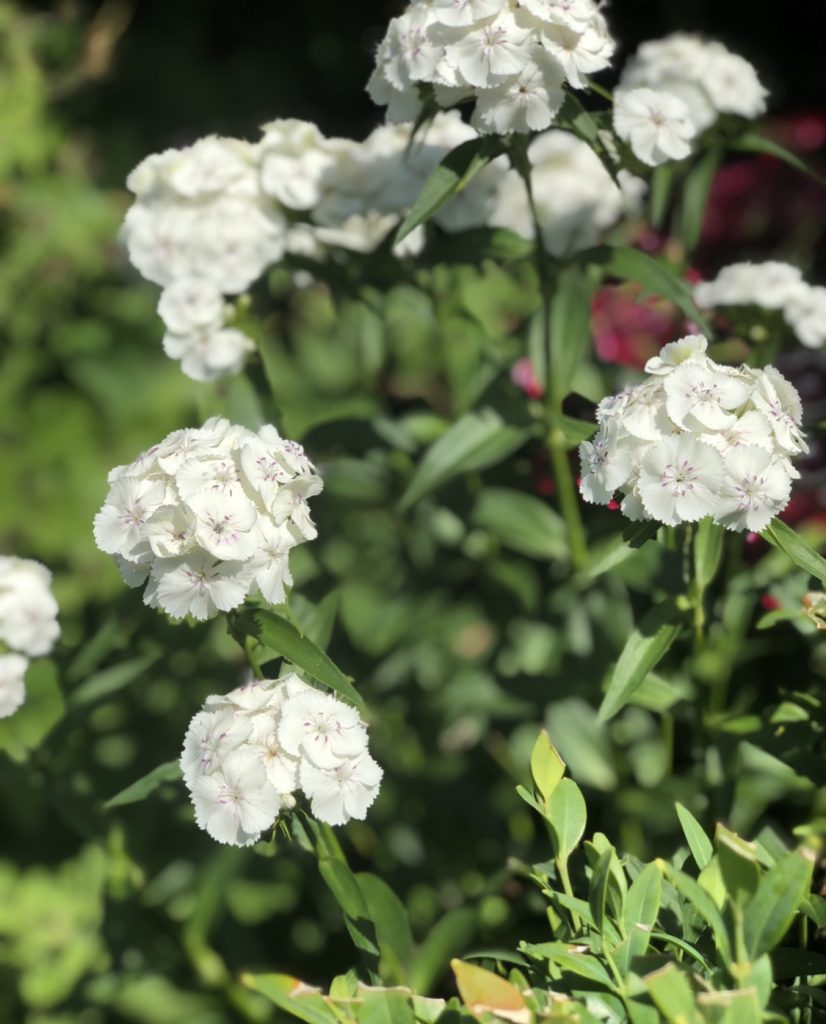
My White Garden Inspiration
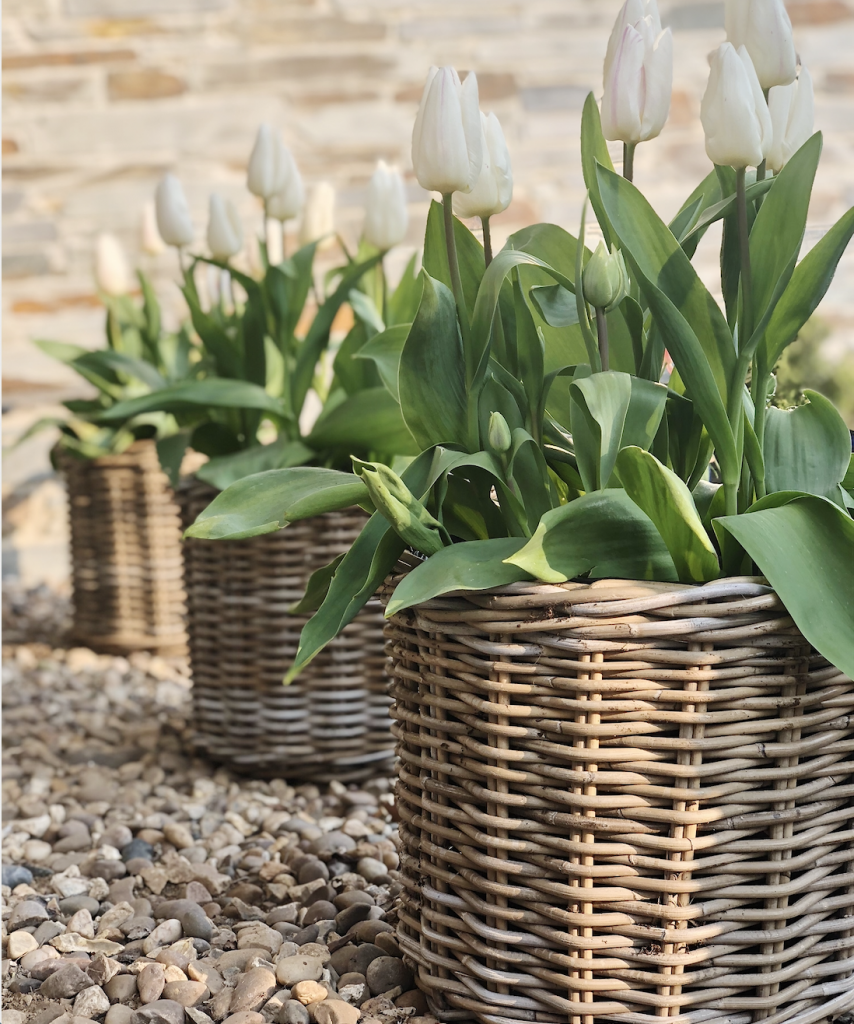
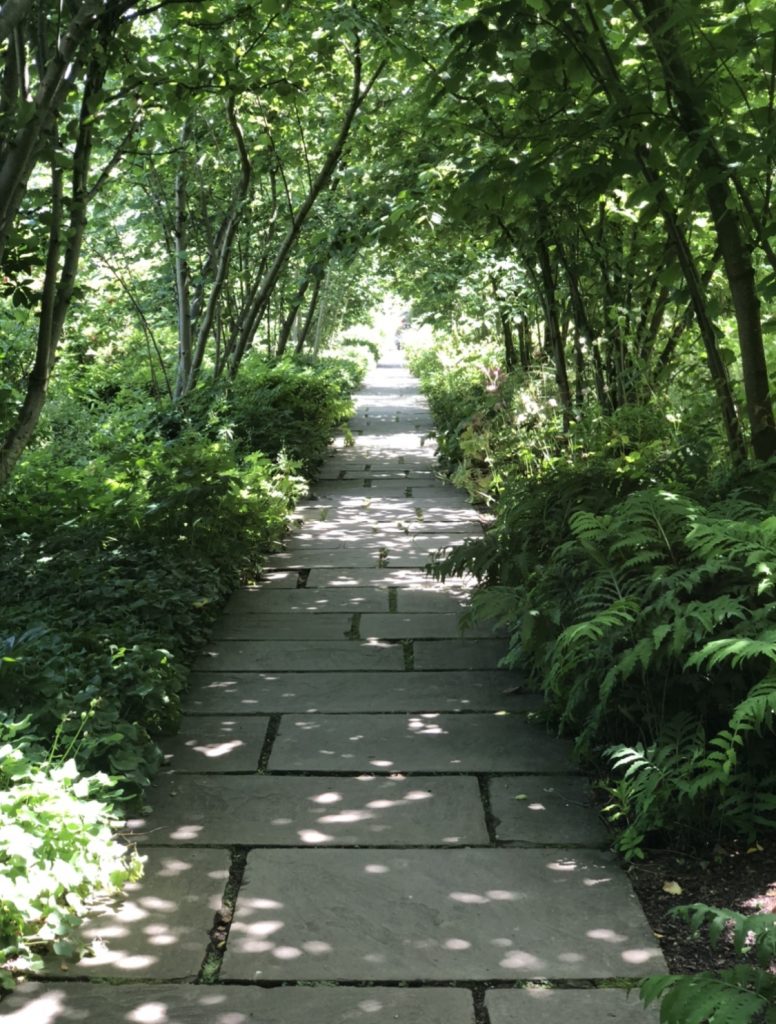
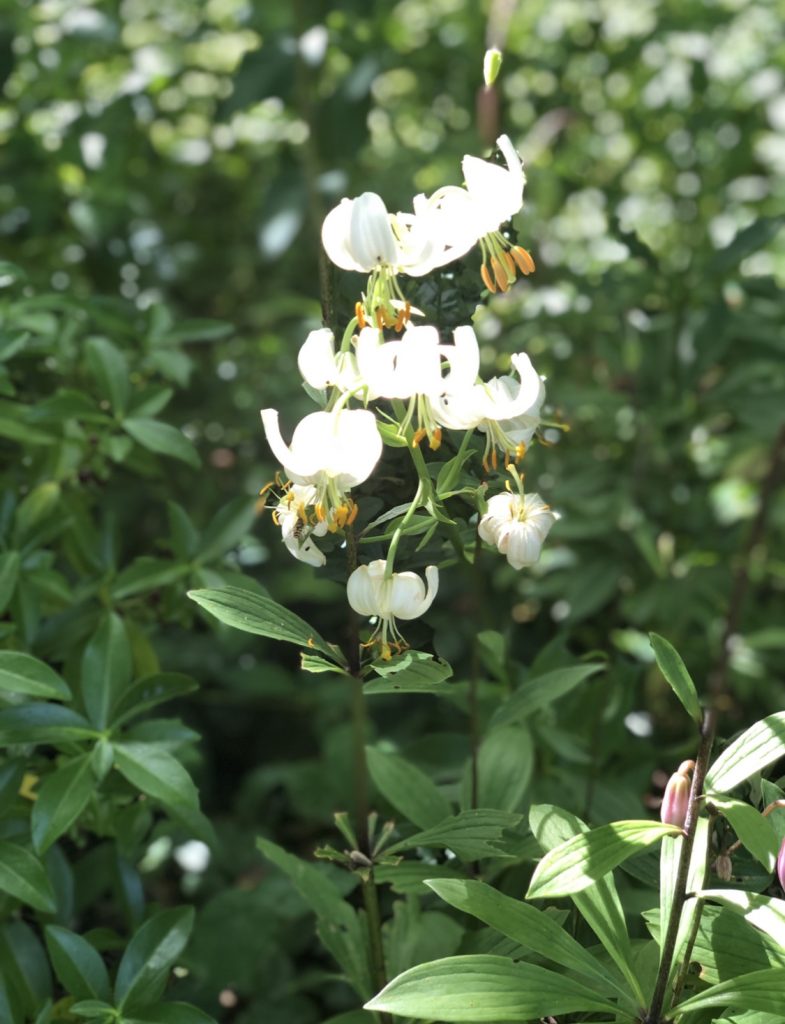
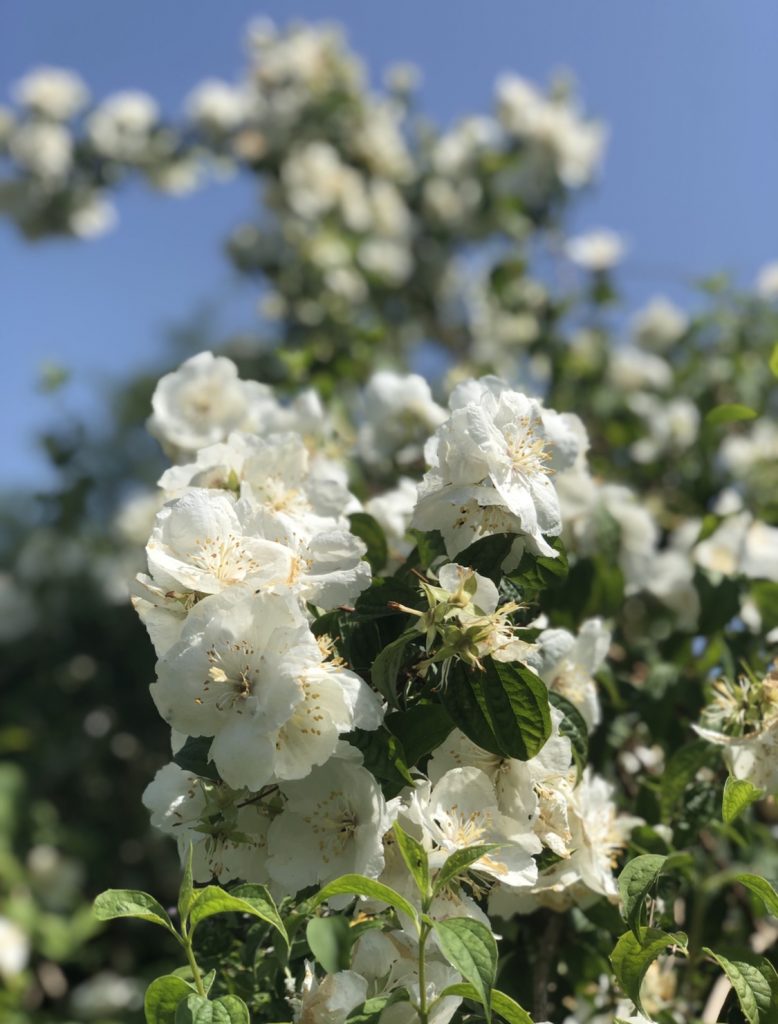
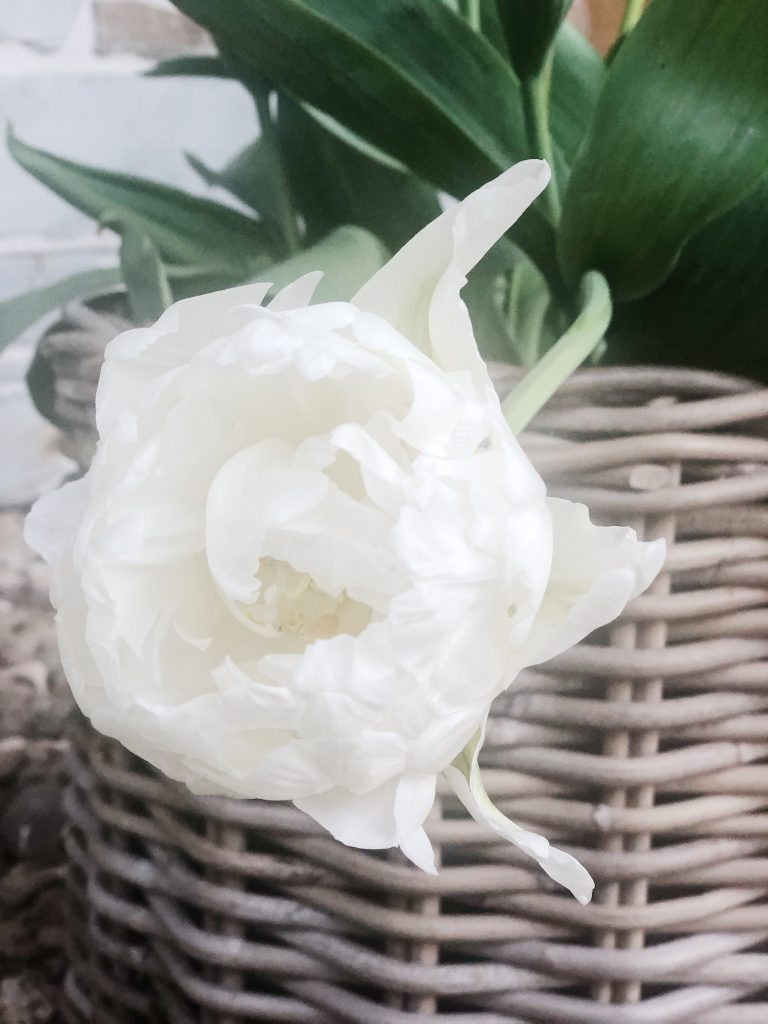
Over the past 18 months, I’ve discovered a real love for gardening, especially creating a White Garden. Working with my friend and talented garden designer, Alice Blount, we’ve transformed ideas into reality, including turning our treehouse into raised beds!
Alice’s expertise has been invaluable, she combines a keen eye for design with practical planting know-how, wealth of horticultural knowledge, while I bring enthusiasm and a willingness to learn. Together, we’ve explored planting, structure and seasonal blooms to make gardening enjoyable and therapeutic.
Watching our garden evolve has reminded me how rewarding even small changes can be and how much happiness comes from connecting with nature in your own space.
You can see some of our ideas on Instagram and Pinterest, and I hope they inspire you to try your own garden refresh, whatever size your outdoor space.
I adore my baskets from The Basket Company
Meet Alice Blount
Alice started her design consultancy in 2004, in Oxfordshire. Now based in South Devon, she works throughout the UK and Europe and is a highly qualified, experienced RHS Award winning garden design professional.
While historical garden restoration is her specialist area, she has a passion for working on urban-chic town gardens all the way through to very large country estates. She employs classic, yet contemporary, design skills where structure is of the utmost importance, softened by gorgeous planting.
Alice is a knowledgeable plants woman and this, combined with a thorough knowledge of modern landscape construction requirements, means she can take your project through from initial concept to the finished garden. When Alice designs a garden, she is led by your needs and dreams for your garden. She is informed by the feel of the site itself, as well as the surrounding landscape and architecture. It will be a design that is totally tailored to you.
You may simply need a border redesigning; or your whole garden overhauled, requiring a complete design and set of planting plans. Alice hand-draws and colours her plans, which makes them totally unique. Her vision really brings the garden alive for you and makes gardening easy to understand. Trust me, she is amazing!
Your Gardening Questions Answered
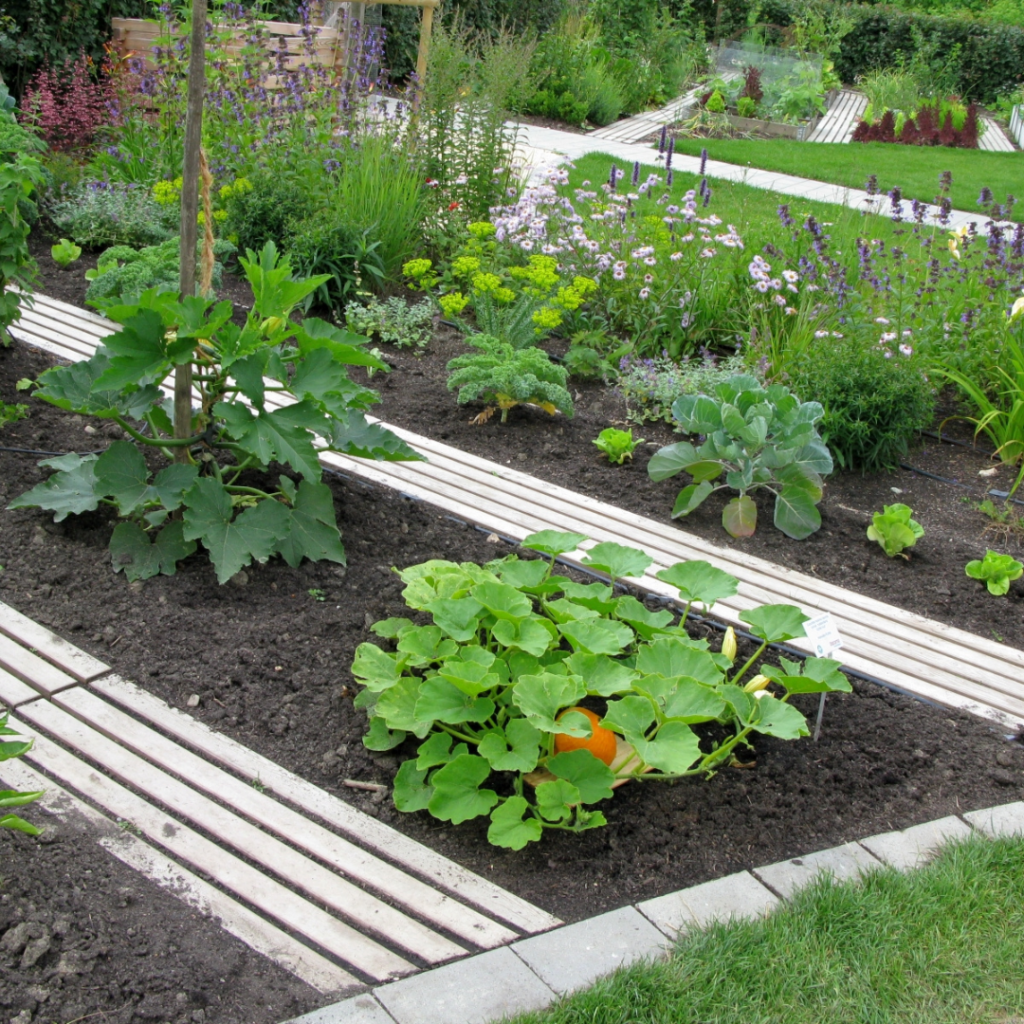
I’m new to growing vegetables. Where should I start?
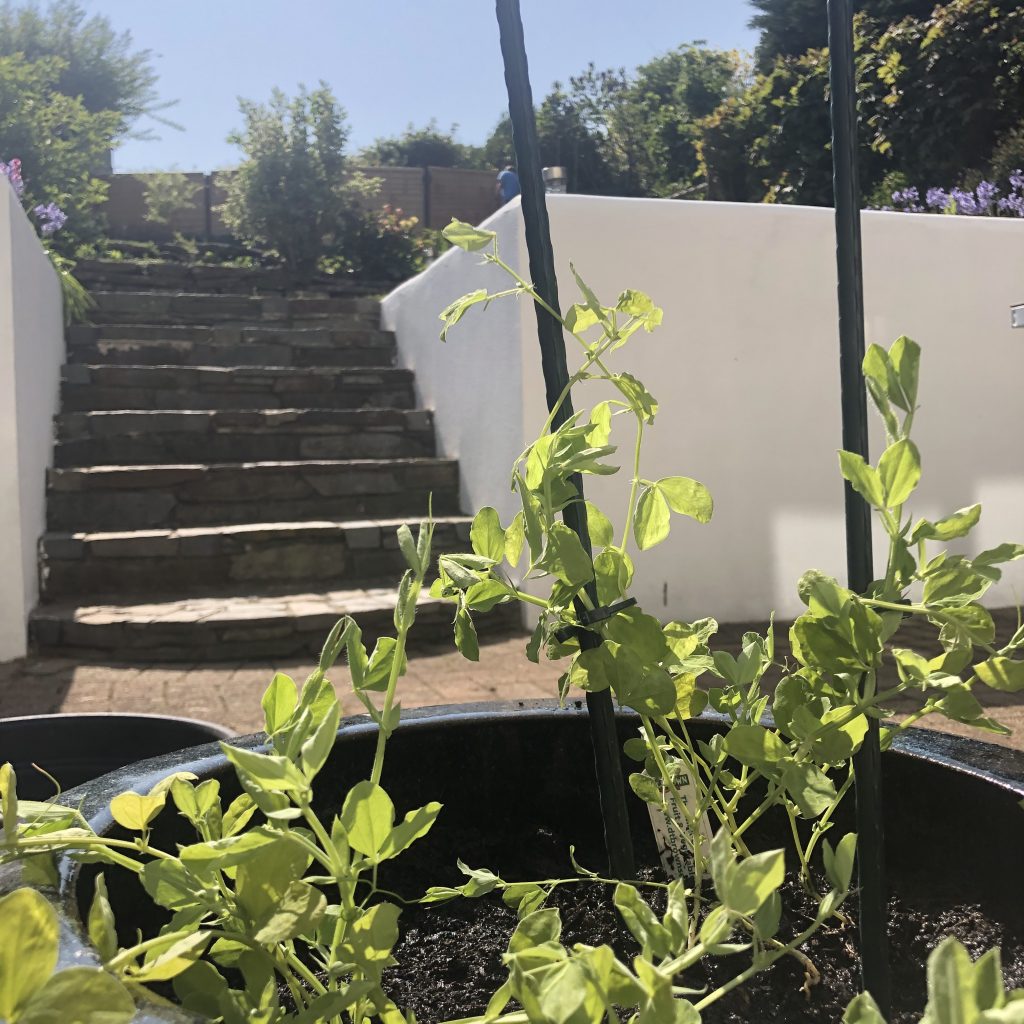
Start small and grow what you actually eat. Carrots, beans, peas, or salad leaves are perfect first crops.
Alice recommends the No Dig Method: simply lay cardboard over your soil, cover it with compost or well-rotted manure, and let nature do the rest. It improves soil structure, reduces weeds, and is much kinder on the back!
“Begin with two or three varieties, learn how they behave, then expand next year.” – Alice Blount
Invest in a good “How To”: gardening manual. Charles Dowding’s “No Dig” books are some of the best and of course there are hundreds of videos online also.
“No Dig is an attractive way of growing. It provides a rich soil to grow in, and it’s an excellent way to clear a weed-infested growing area. In principle, by avoiding digging you will not be disrupting the soil life. This is the important micro-organisms, fungi and worms, that help feed plant roots. You will need a large quantity of organic matter. You can use home-made compost, leafmould, well-rotted manure, green waste compost or even bagged peat-free compost.” Garden Organic
If the soil is heavy and clayey, then it does need improving. Add well rotted plant matter to balance it out and help to break it up. The best way now you’ve turned it over is to add a 2” deep top dressing of well rotted horse manure. (it shouldn’t smell at all if it’s rotted down enough!) You don’t need to dig or fork it in. Leave it on top and the worms that are in the manure and soil, will pull it down into the earth. The rotted straw will improve the soils texture. Repeat this process every year and the soil will become more friable and beautifully nutritious, with no digging required!
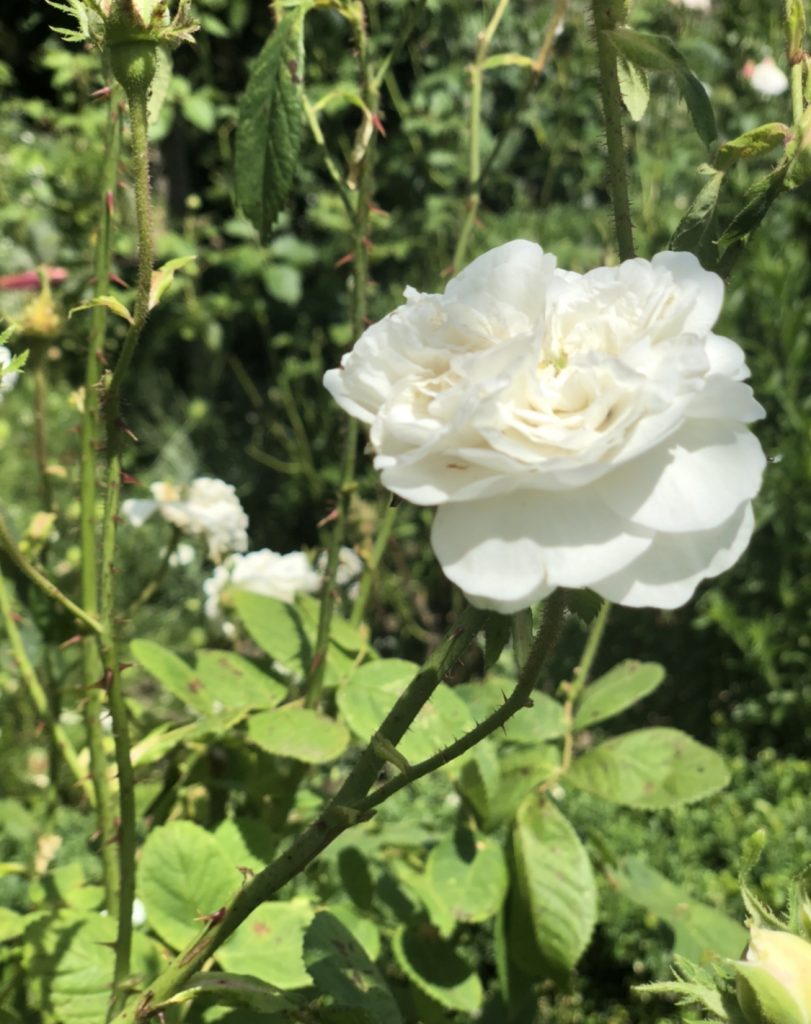
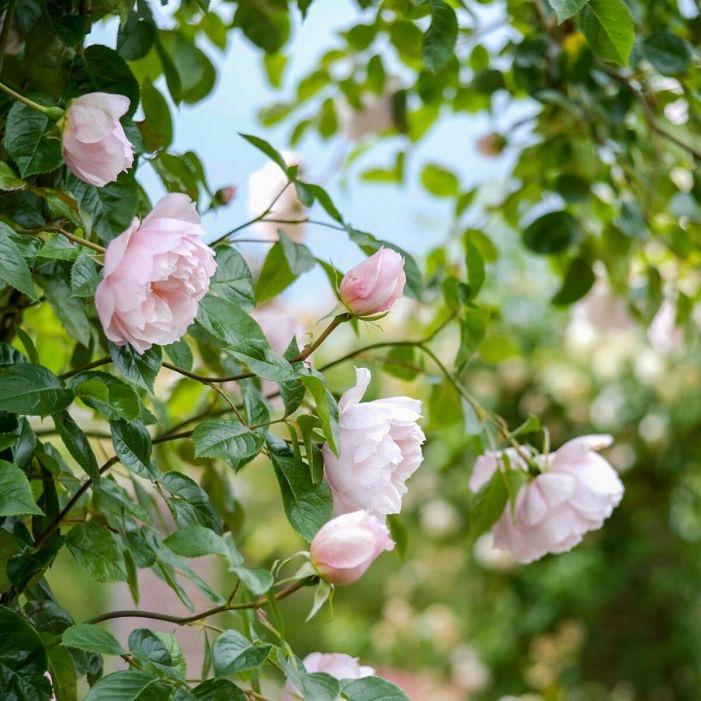
Desdemona – David Austin Roses Visiting the White Garden at Sissinghurst Castle was magical and bought real inspiration.
How Do I Manage Weeds Naturally?
Weeds are part of every garden, but you can keep them under control:
Top the earth with a weed suppressing mulch such as well rotted manure, well rotted bark or “Strulch” (mineralised straw)
Hoe the area regularly, throughout the growing season, to take the tops off annual weeds in order to keep the weeds at bay.
Lay sheets of cardboard, old carpet or plastic sheeting like DPC membrane also keeps out light which allows the roots to grow. Leave this on for several weeks and ideally overwinter and this will kill off the roots in time. Mulches will also improve the condition of the soil.
Grow medium to large shrubs that will cover the area and keep out light below and therefore help prevent weed growth.
Smaller gardens obviously take less work and time, so try and make sure you can cope with the size of garden you have or bring in a gardener to help!! You may wish to ask a garden designer to redesign your space effectively so that you have the minimum amount of weeding to do. Firstly, always try digging them out first.
Alice prefers using organic methods and not using weedkiller but suggests you may like to use it sparingly in key areas on hard to remove weeds like docks, dandelions and brambles.
Weeds like couch grass and bind weed are a problem. Once you’ve got them, its very hard to get rid of them altogether as a plant can grow from the tiniest section of root!
What’s The Best Way To Move Roses Or Established Shrubs?
Roses are notoriously difficult to move from one place to another, as they have a single, very long tap root. The remaining roots are very short and sparse and very often the main root gets severed when trying to move it. If the rose holds sentimental value, a wedding gift or a memorial for example, then try to take cuttings ahead of time, so you can grow new plants.
Water the plant well a day before moving.
Dig a wide circle around the roots, lifting as much soil as possible.
Replant straight away into a hole enriched with compost.
Mulch well and water regularly until it settles.
Sometimes replacing an older rose is more successful than relocating it—but it’s always worth trying if the plant is special to you.
Alice feels that roses – as with other plants when relocated- have one chance, they will either do well or die! They are also relatively inexpensive to replace (around £12.99 now) so often it is easier to simply buy a new one. (Alice acknowledges her advice maybe a little harsh!)
What Small Updates Make The Biggest Difference
A little fresh paint or oil on fences, decking, or garden furniture instantly brightens your space. Many modern outdoor paints include built-in preservatives to extend the life of timber.
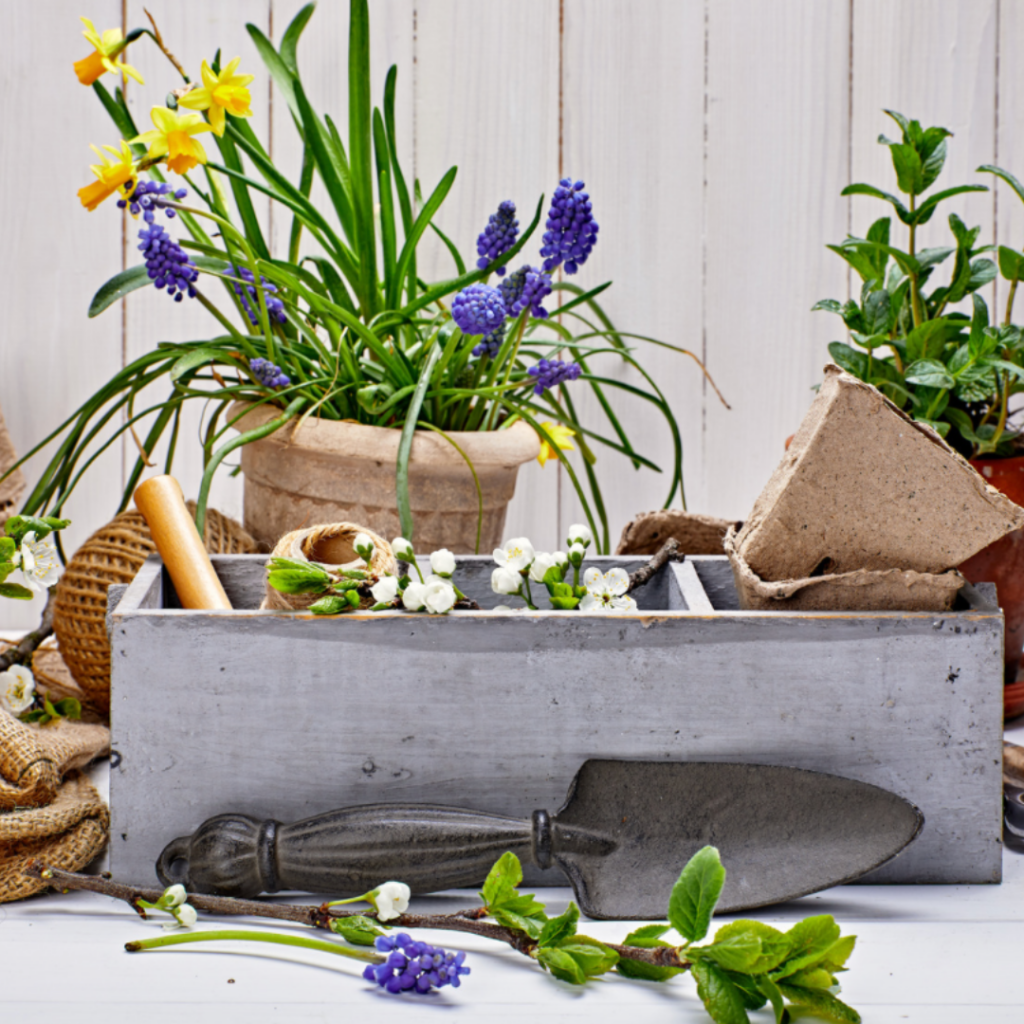
Add pots of herbs near the kitchen door, solar lighting along pathways, and a few cushions or throws for a relaxed, lived-in feel. Find more inspiration here
Favourite Garden Resources
A few books Alice and I reach for again and again:
You’ll find endless ideas and seasonal advice on rhs.org.uk and at annual garden shows, which are wonderful for discovering new varieties and meeting like-minded gardeners.
A Final Thought
Gardening doesn’t have to be grand or time-consuming. Whether you’re planting a single pot of herbs, refreshing your garden furniture or redesigning your borders, every small act of care adds calm and beauty to your day.
In the meantime, if you fancy a little more inspiration then head over to Alices’s Pinterest page
You can find me on Instagram and Pinterest – take a look at the Dartmoor Village Garden board, that Alice and I created for my White Garden inspiration.
Gardening is good for the soul—because it reminds us to slow down, nurture, and notice the little things.
I’d love to hear about your garden!
Share your latest project or favourite plant in the comments or Alice and I on Instagram so we can see what you’re growing.
If you’d like more home, wellbeing and seasonal inspiration, subscribe to the blog to receive the next post straight to your inbox.
In a world that rarely slows down, it’s easy to feel like you’re constantly catching up — with work, family, and life in general. Those waves of overwhelm can creep in quietly, leaving you feeling flat, restless or simply not quite yourself. This post is all about simple ways to help you feel less overwhelmed and a little happier, wherever you are right now.
If that sounds familiar, you’re not alone. I’ve felt it too and over time, I’ve found a few simple rituals that help me feel less overwhelmed and a little happier, calmer and more in control.
So, if you’ve been feeling stretched, scattered, or emotionally tired lately, these gentle habits might help you reconnect with yourself and rediscover a sense of calm and balance.
Simple Daily Habits To Help you Feel Less Overwhelmed.
How To Share How You’re Feeling
It’s amazing what happens when we stop bottling things up. Talk to someone you trust ~ a partner, a friend, a colleague and be honest about how you’re feeling. They say it’s good to talk and it really is.
It doesn’t make you weak; it makes you human. We all have moments when things feel heavy. Opening up helps lighten the load and reminds you that you’re not doing this alone.
If talking feels too much, try journaling or writing a few lines in your notes app. It’s a simple way to release what’s sitting on your mind. open about it, try not to bottle it up.
How A Power Hour Helps You Feel Less Overwhelmed
If you’ve followed me for a while, you’ll know I love a good list. When your mind feels cluttered, grab a notebook and write down everything that’s worrying you or taking up space in your thoughts. No filter, no order, just get it out of your head and onto paper. Make it exhaustive.
Then, set a timer for one focused hour — your Power Hour. Make a cup of your favourite drink, turn off all distractions and notifications and set your timer for ONE hour. Look at your list and circle one or two things you can actually do something about today. Even small steps count.
Taking gentle action helps you regain a sense of control, and often, that’s where calm begins. Focusing on what you can influence — even just a small part of it, is surprisingly powerful. By reclaiming a little control, that sense of overwhelm can ease, even if only slightly. This is also a wonderful activity to do with children of any age when they’re feeling stretched or anxious.
Coffee And Candle Chats
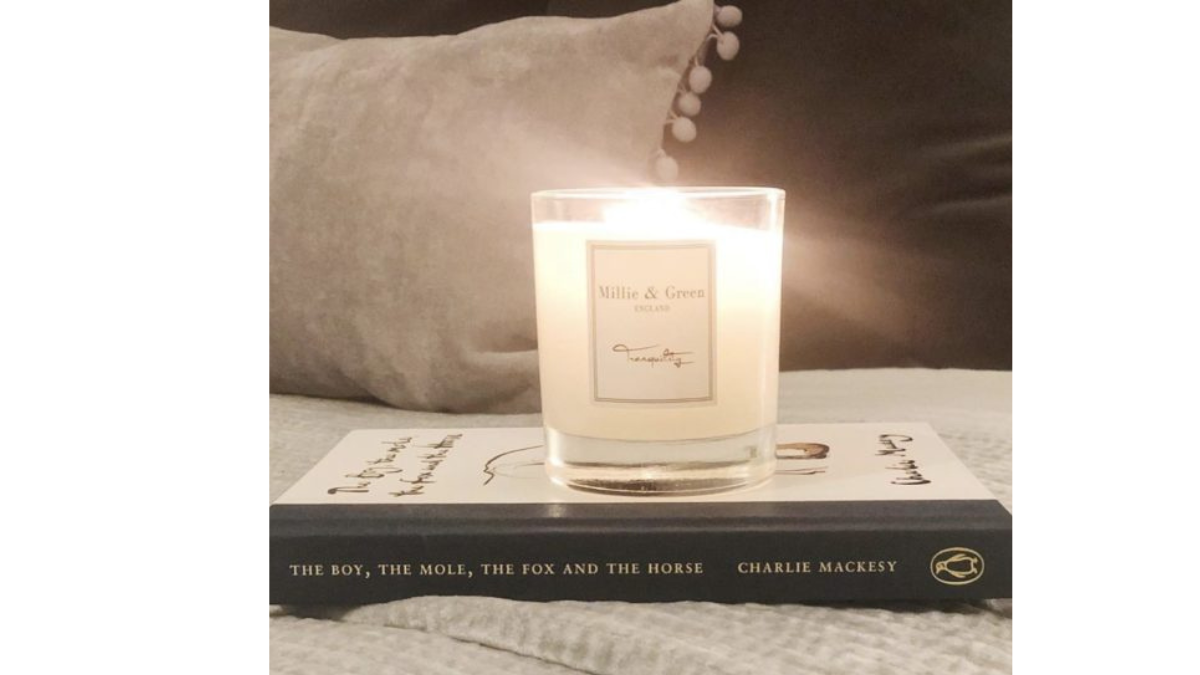
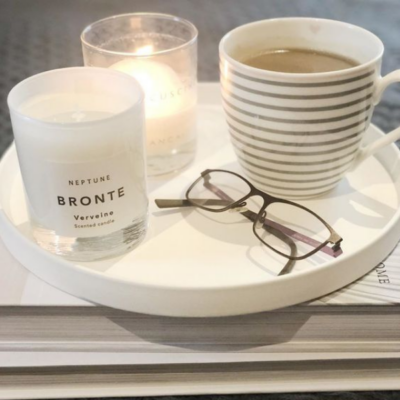
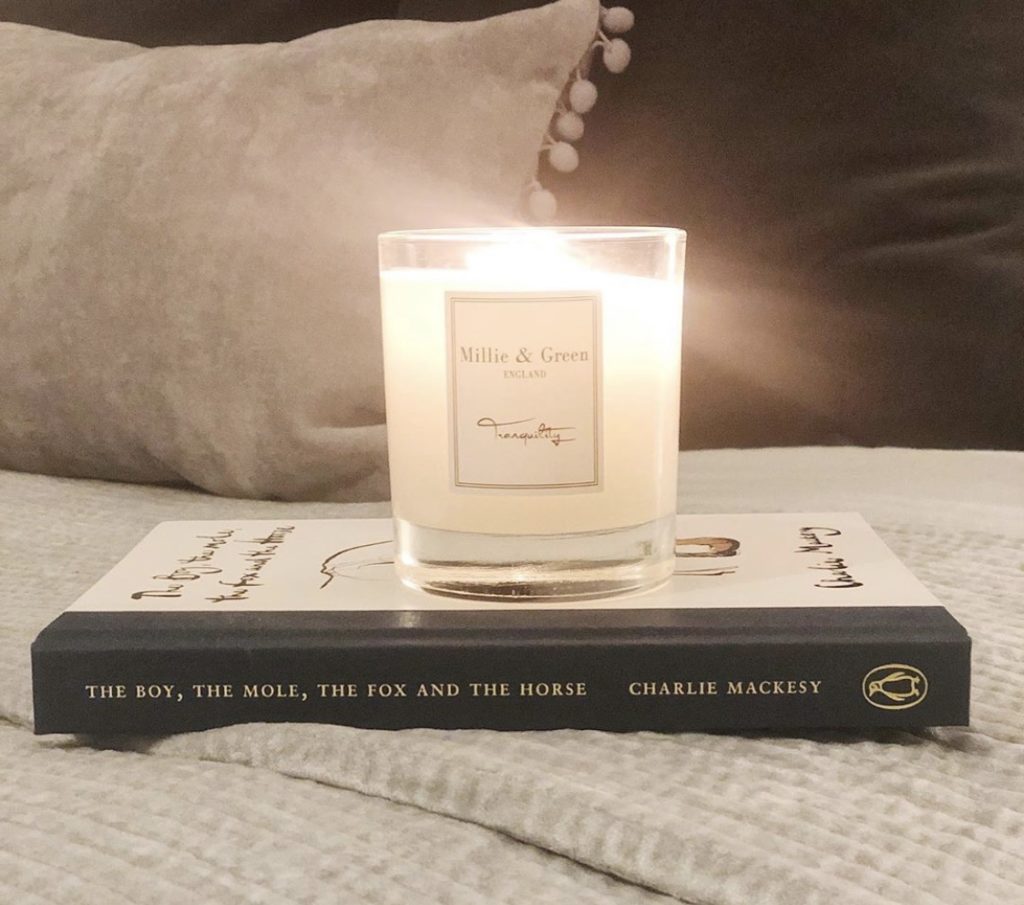
Connection soothes the soul. One of my favourite rituals is arranging what I call a Coffee and Candle Chat , a simple catch-up where I make a fresh coffee, light a candle and have a meaningful chat with a friend.
If meeting in person isn’t possible, pick up the phone or have a video chat. It’s these small moments of connection that remind us we belong.
It doesn’t need to be fancy or long, just intentional. Sharing stories, laughter, or even silence over a cuppa can shift your whole mood.
Send Some Happy Post
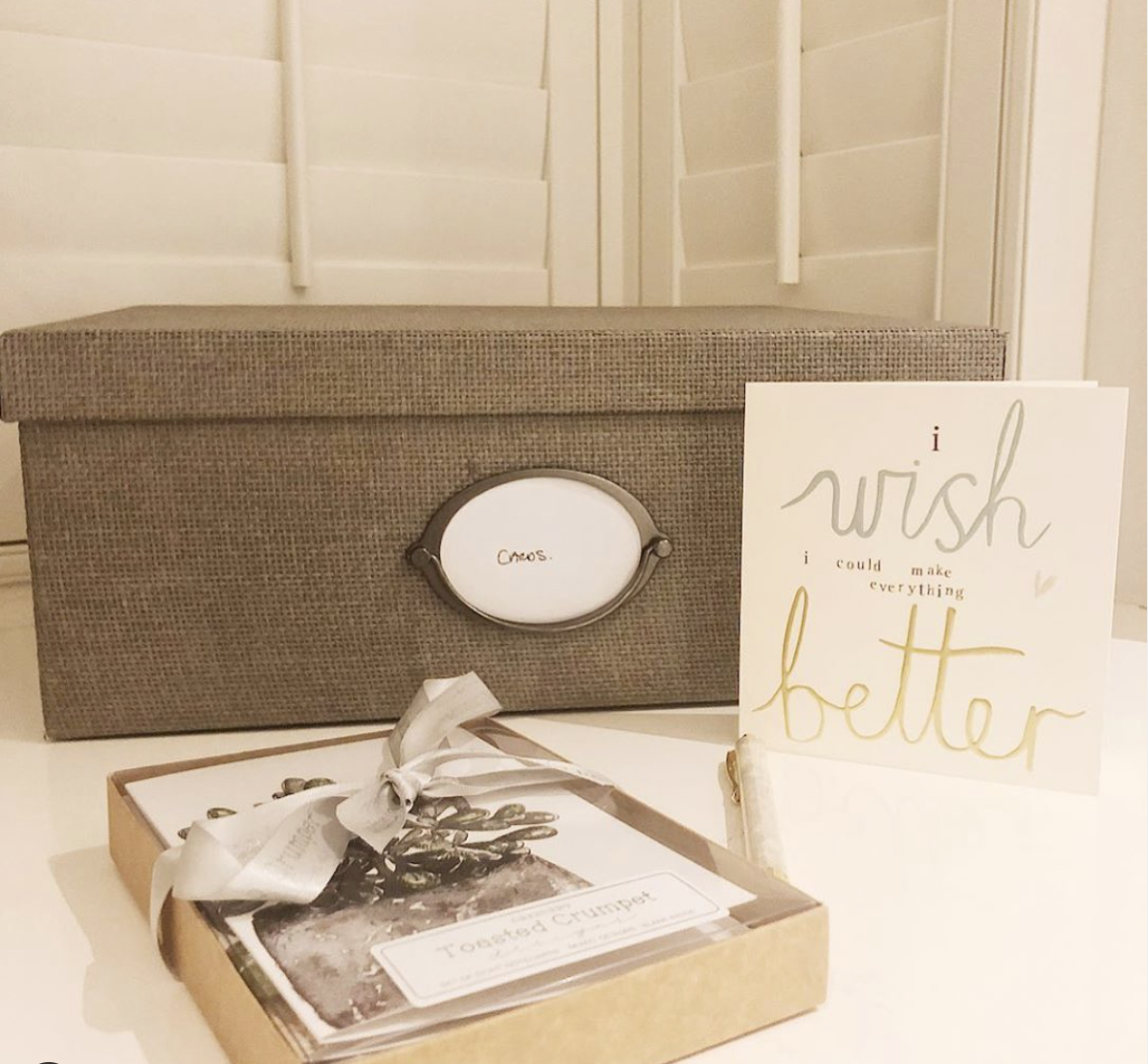
There’s something so joyful about receiving a handwritten note, isn’t there? I’ve always had a soft spot for stationery and keep a little box of cards ready for when I want to send some happy post.
This week, why not send one? It could be to a friend, a relative, or someone who’s simply been on your mind. A few handwritten words can brighten someone’s day ~ and yours too.
Sort Out The Little Things
Sometimes it’s the smallest tasks that create the most mental noise. The squeaky door, that messy drawer, the email you’ve been avoiding.
Set aside half an hour and deal with a few of them, home at your desk or even in the car. Dedicate some time to sorting out the little things, the ones that every day you think “I must sort that out”.
You’ll be surprised how much even small actions can lift your energy and bring a sense of calm to your space. It’s not just about tidying your home, t’s about clearing mental clutter too. Over half term, alongside my linen cupboard Mission, I gave my study a thorough spring clean, and yes, even tackled those tricky kitchen drawers! I also sorted my Pinterest boards and replaced the cracked screen protector on my phone, little things that make a real difference. The result? A clearer space and a lighter mind.
Boost Your Vitamin D
Getting outside, even for ten minutes, can work wonders for your mood and energy.
Vitamin D supports bone health, immunity and overall wellbeing, but it also boosts your mood. So, whether it’s a short walk, coffee in the garden, or standing barefoot in the grass for a moment, let yourself pause and soak it in.
It’s amazing how much brighter the world feels after a little fresh air.
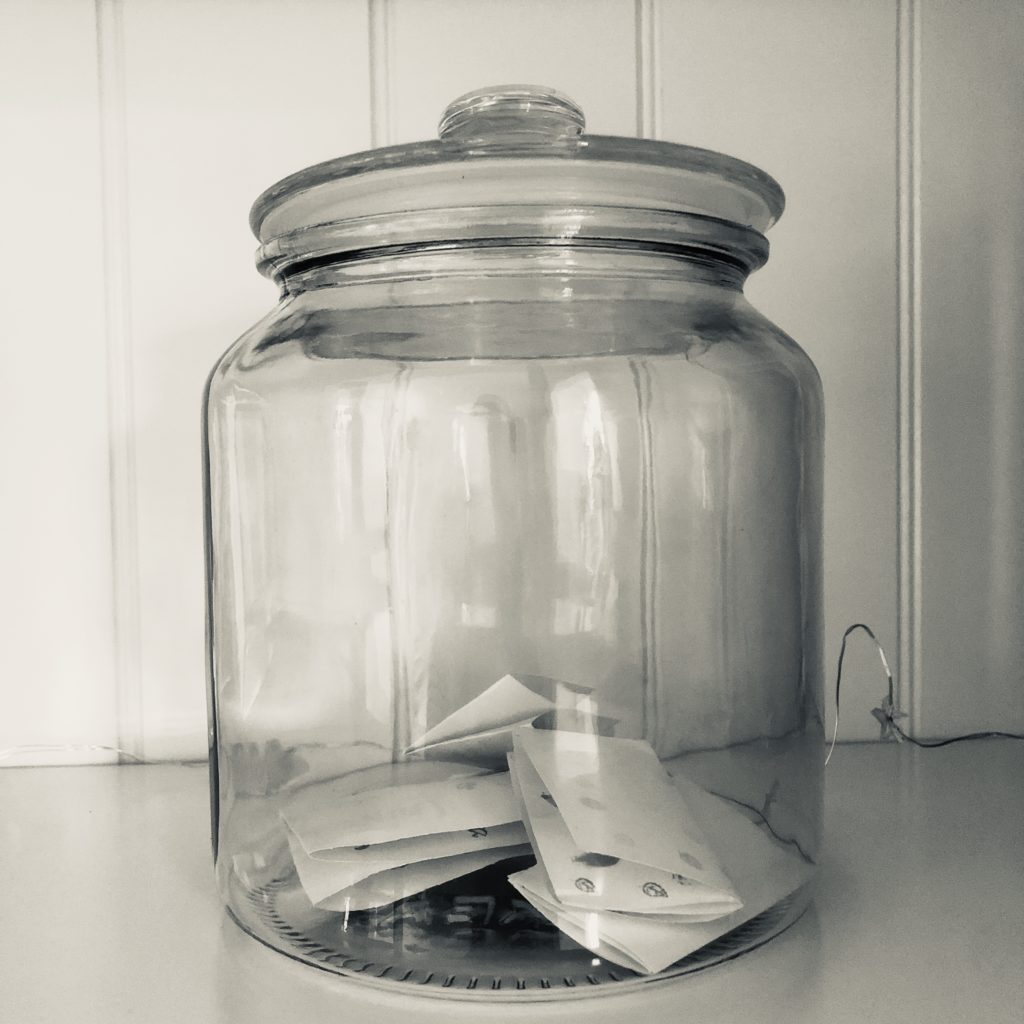
Create A Positivity Jar.
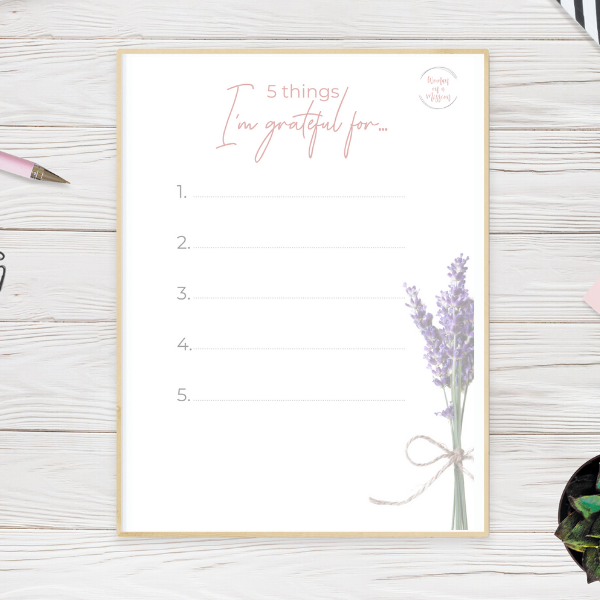
This is a lovely habit to share with family or keep just for yourself. Each time you think of something you’re grateful for or something you’re looking forward to, write it down and pop it in a jar.
Over time, it becomes a collection of happy thoughts and small moments, something you can dip into whenever you need a gentle reminder of what’s good.
Simple, meaningful and full of hope. It’s a wonderful mini Mission to set some time aside at the end of each month or year and read all notes. For more simple ways to ease stress, the Mind UK wellbeing tips are a supportive read.
A Few More Simple Mood Boosters
Listen to a favourite podcast or audiobook.
Dance around the kitchen to a song that makes you smile.
Look through old holiday photos or start planning your next adventure.
Move your body, even a ten-minute stretch or walk counts.
Challenge a friend or family member to a board game or online quiz.
Daily And Weekly Planners
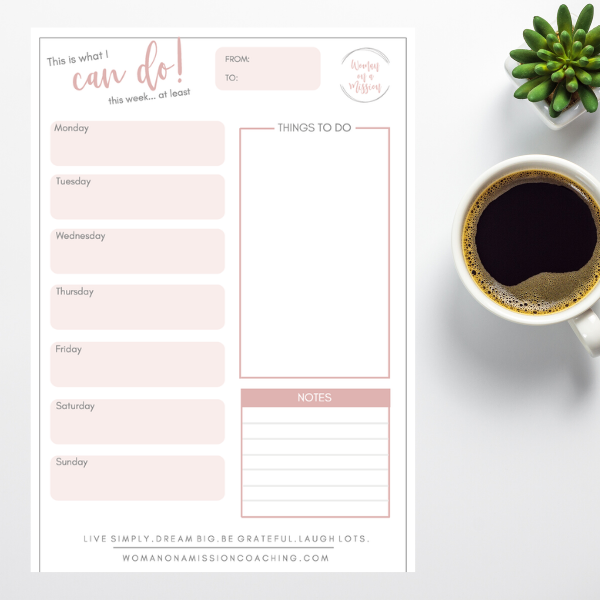
I’ve created a few printable planners that help me stay focused, grounded, and organised, especially when life feels full. You can find them here. They’re designed to help you take back your time and energy, so you can focus on what truly matters most.
Daily Planner Weekly Planner
Final Thoughts
Remember, small steps make a big difference. Whether it’s lighting a candle, writing a list, or taking a few moments outside, every tiny act of calm adds up.
You don’t need to have it all figured out. Just keep showing up for yourself, one gentle step at a time.
What helps you feel calmer when life feels overwhelming? I’d love to hear your thoughts in the comments.
A little Mission, my linen cupboard makeover and organisation, sharing the 5 things I did in order to create an organised space for the laundry in our family home. So where to start..? With some good music and focus, my Power Hours came in handy! #powerofanhour
This time of year when the sun starts shining and the days are a little longer, it makes me want to throw open the windows and have a really good declutter – are you the same?
I don’t know about you but when everything is in order, I feel my brain works little more effectively and the house runs more smoothly. (My family may disagree, but that’s my story and I’m sticking to it!) I was the same when I was revising for my exams at school, I simply couldn’t take anything in if my room or desk was cluttered or untidy..
The Declutter
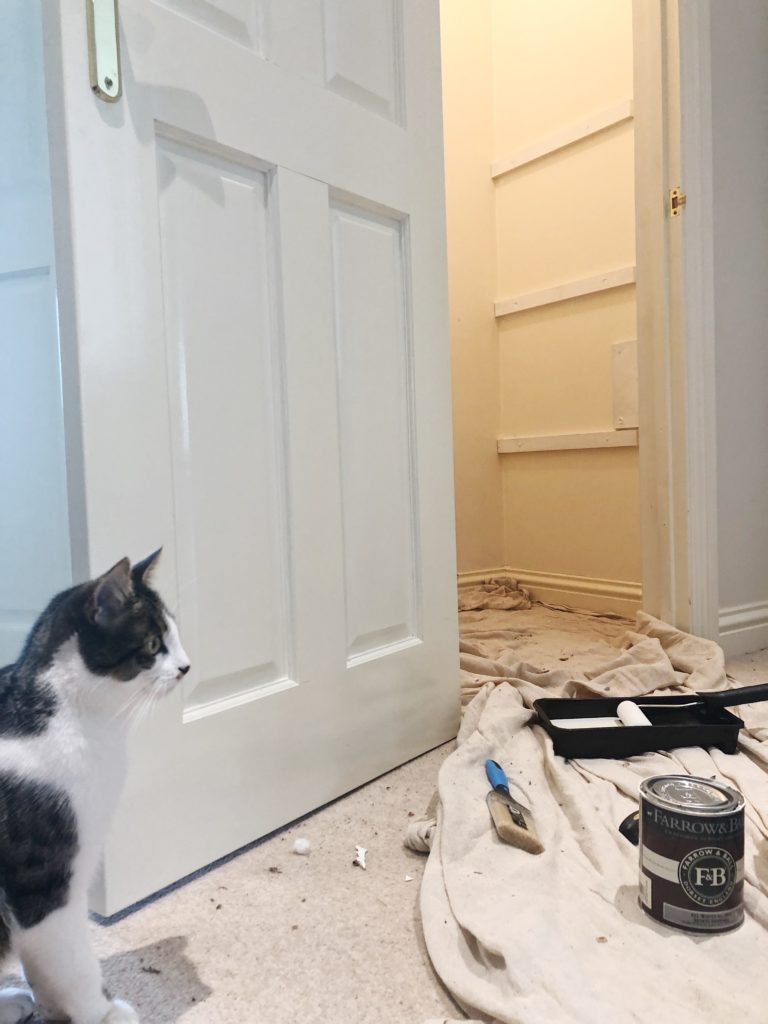
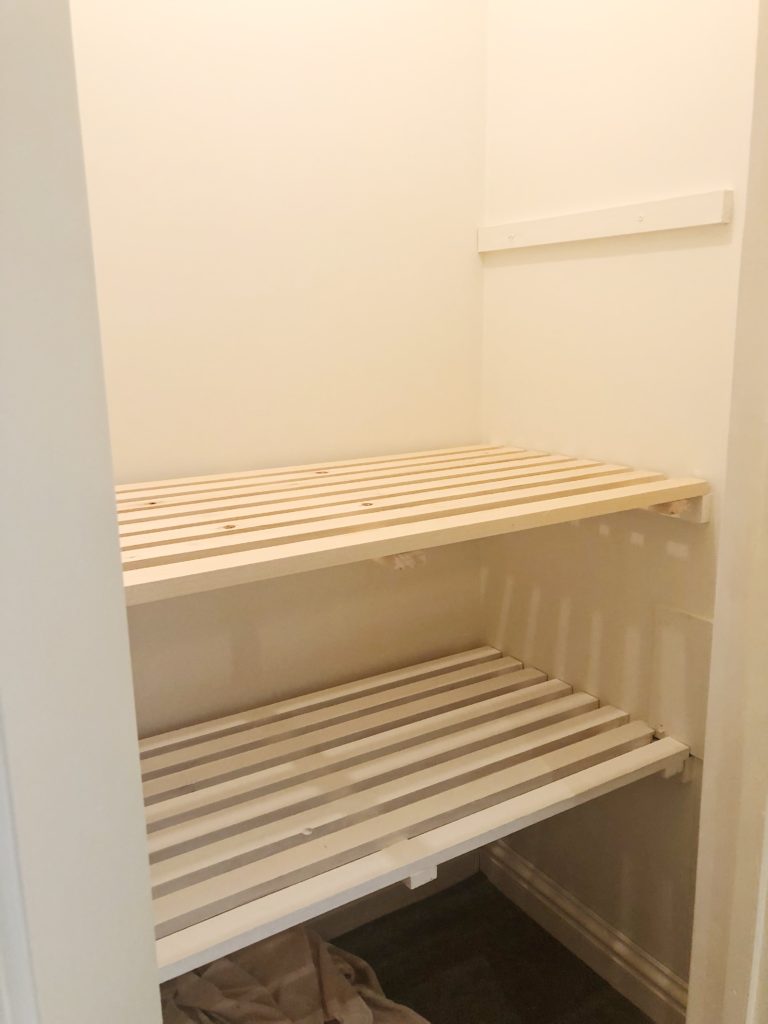
It’s essential to know what space you really have and it’s tricky to see with anything from towels to an assortment of pillows and toiletries in the way. Everything was removed and put into piles; what needs to stay, go or recycle. Where this may seem drastic, a clear space is much easier to visualise what you have to work with. I gathered everything I needed from cleaning products to paint so I had everything to hand. The cupboard was then dusted from the top down, including the light fitting and prepped for painting.
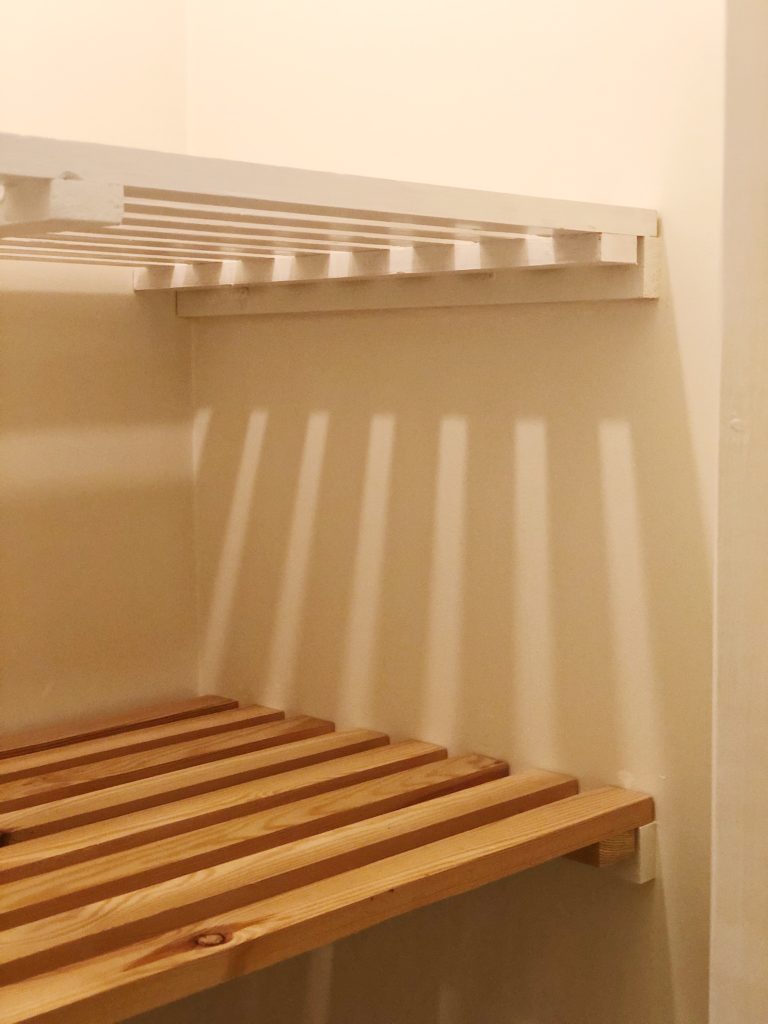
The walls were painted in School House White and the shelves in All White, both Farrow and Ball. This immediately brightened the space and made so much difference. Exciting!
With everything now out of the space and the paint drying, it was a time to get radical: old towels, bed linen that had seen better days and as Marie Kondo suggests didn’t “spark joy” were recycled. Toiletries and medicines that had expired were disposed of and everything that didn’t need to be in this cupboard had a new home to be found. It’s so easy to accumulate these items over the years. Somehow even our gift wrapping paper had found its way in here!
The Planning
With a clean slate so to speak, and a piece of paper, I planned what would work and where, what needed to be most accessible and what was required in order to make the best of the space. Everything should have its place. This way there should be more chance of the family being able to find and replace items with ease. The system should work!
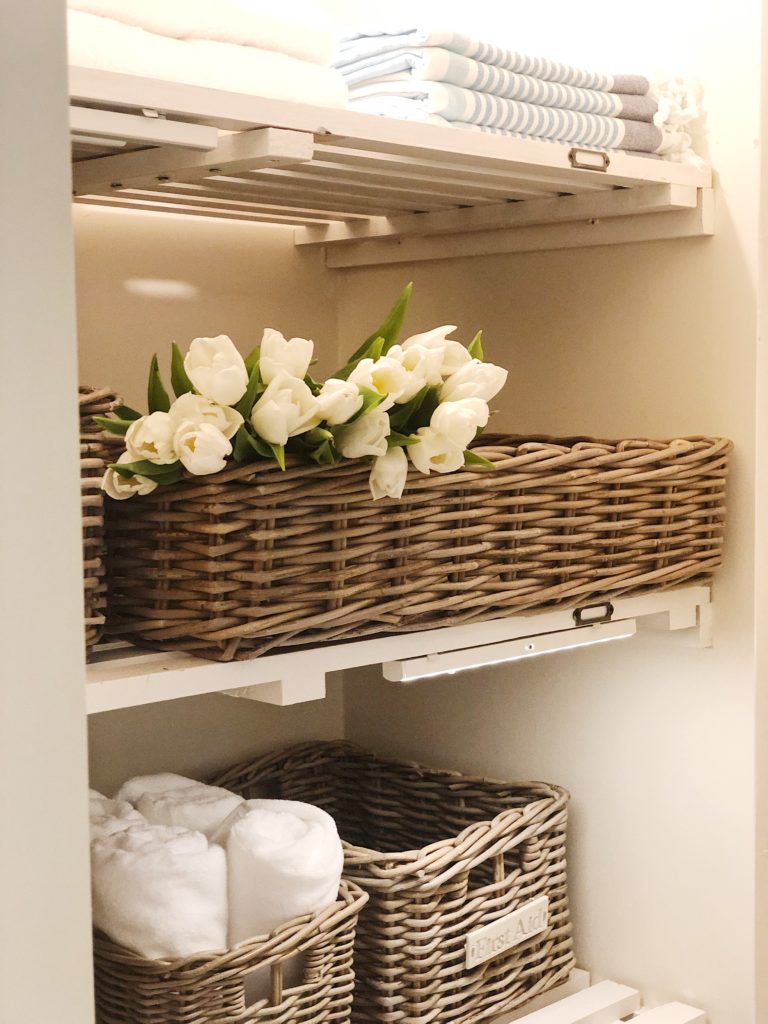
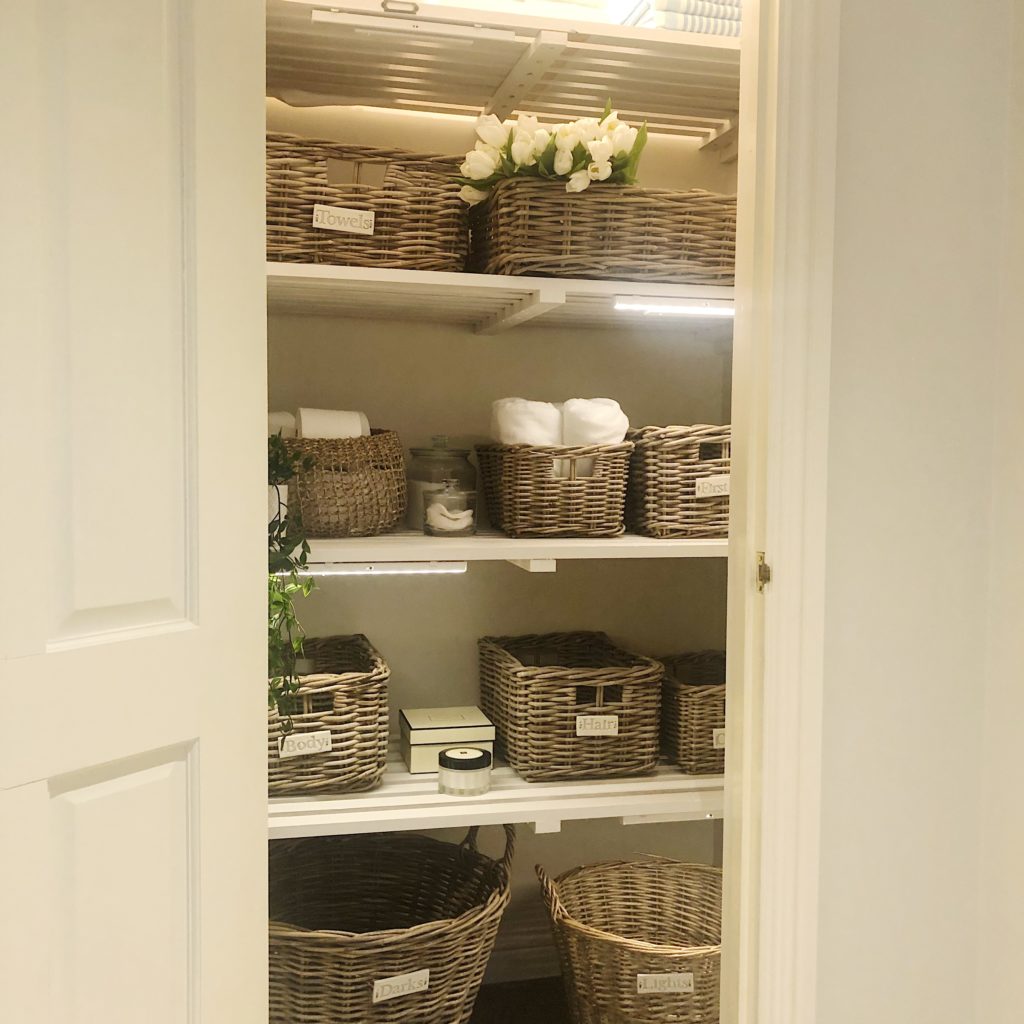
Items that are used seasonally, such as beach towels and Christmas table linen, were placed on the higher shelves. Items such as towels, bed linen and body products that are used more frequently, were placed on lower, more accessible shelves.
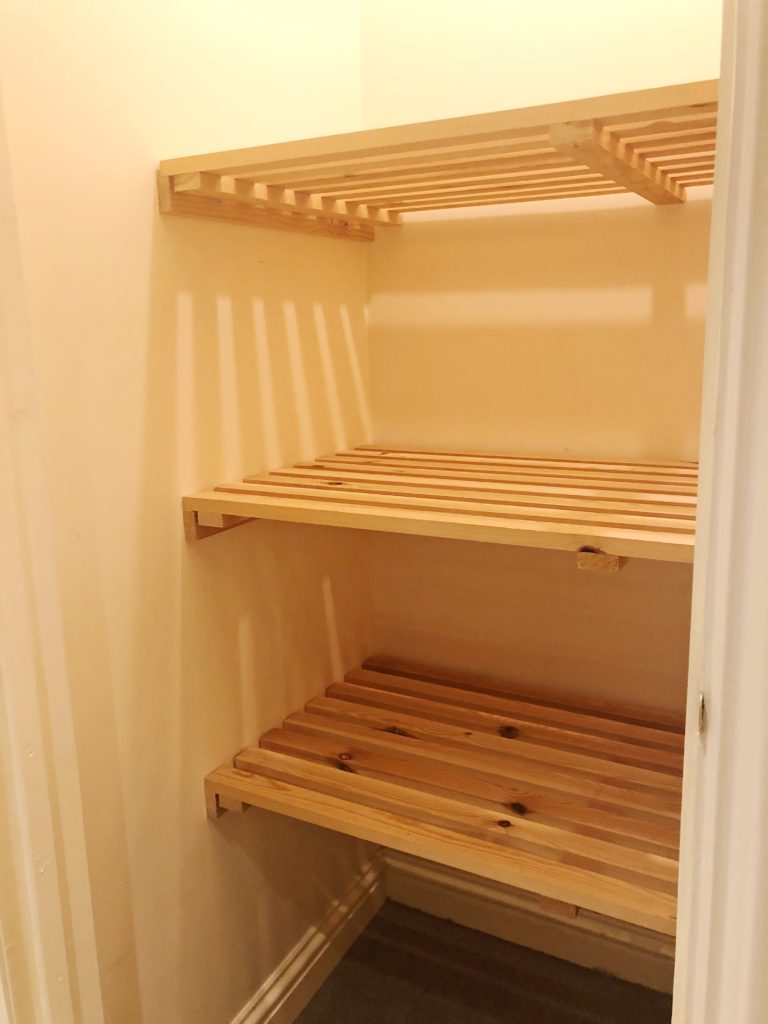
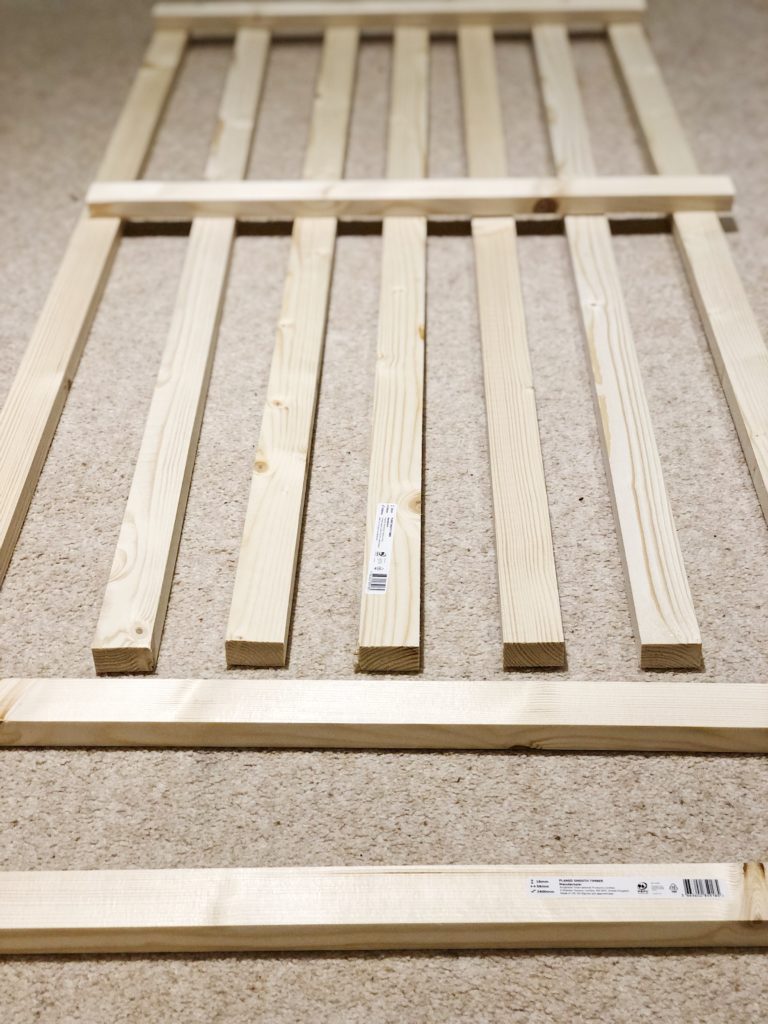
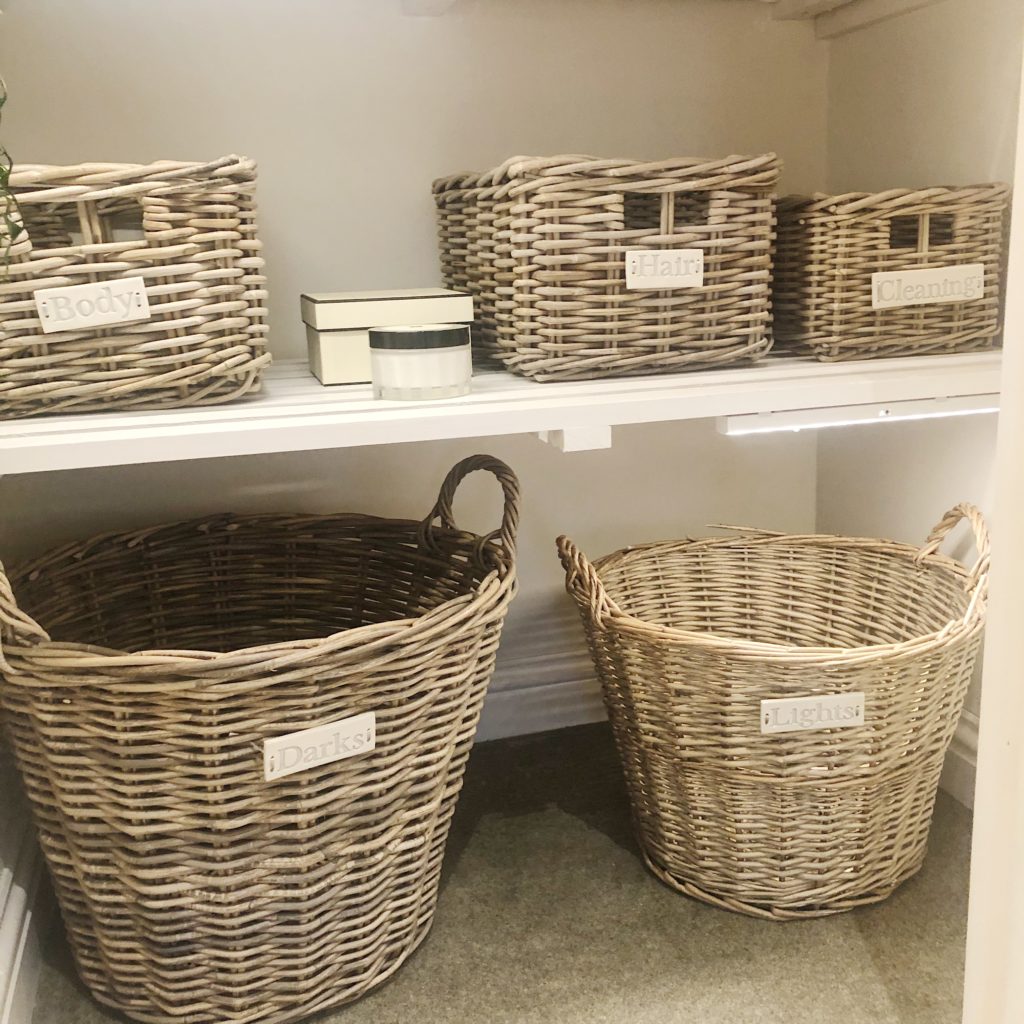
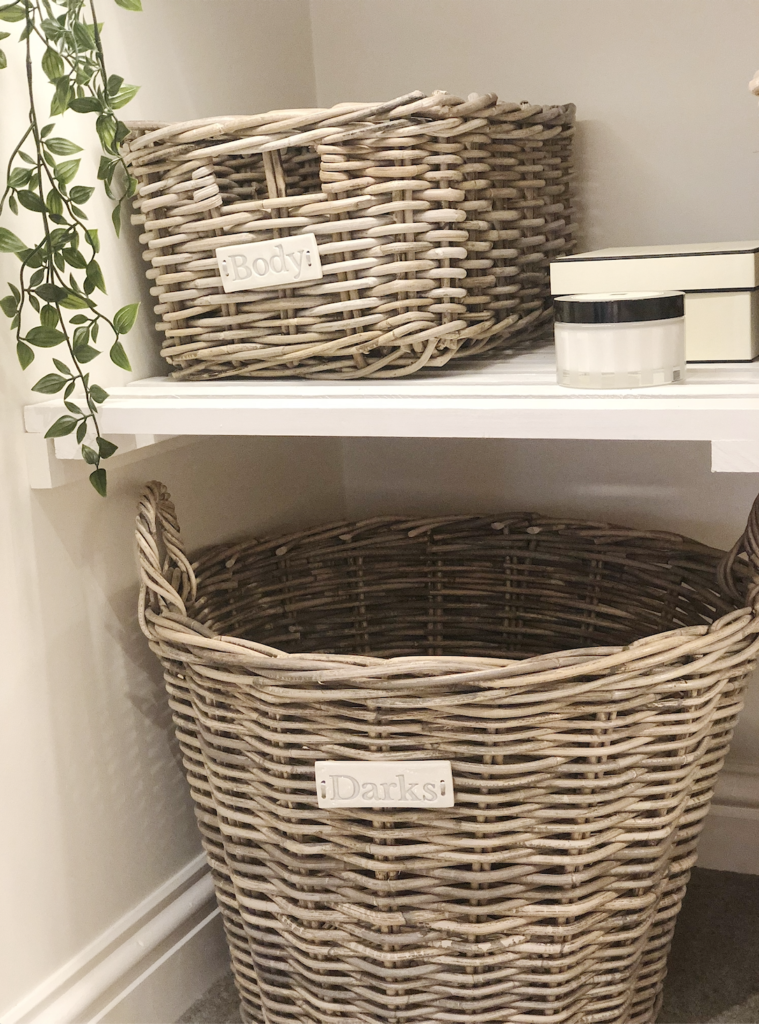
I knew I wanted to have our washing baskets in the cupboard, a change from the bedrooms. This way, they would be hidden away and not taunting me to pop another load of washing on! This meant an additional shelf would be required, together with additional baskets and labels.
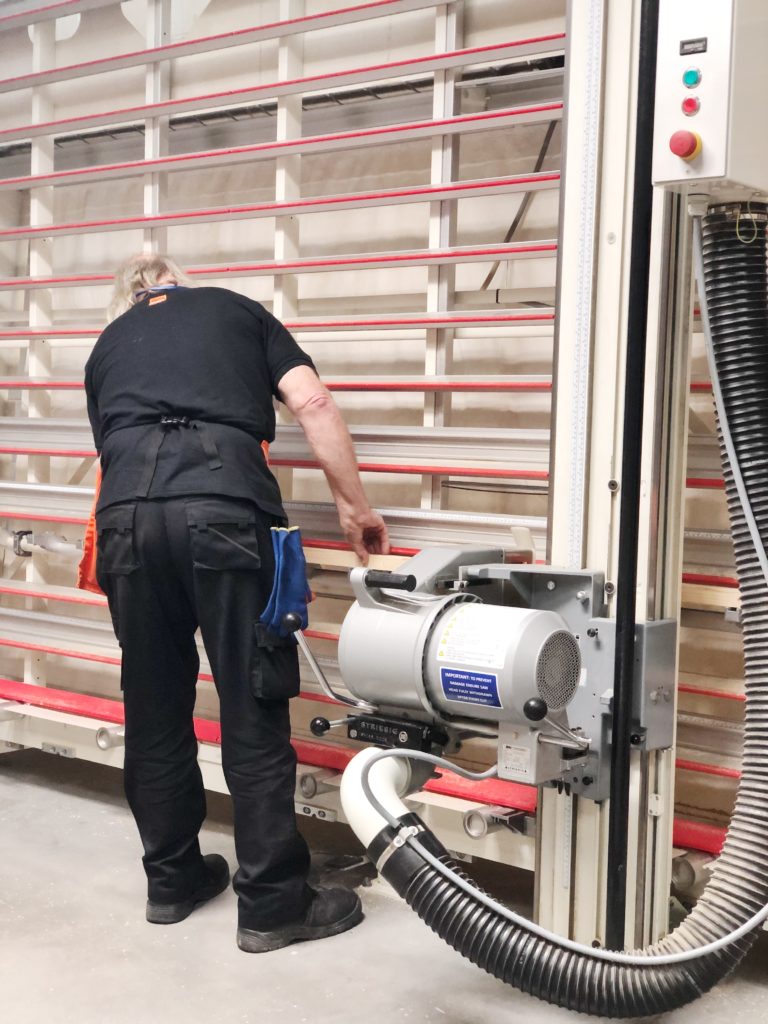
Measurements were recorded and off to the DIY store I went where they kindly cut the wood to size so that it matched the existing shelves. I’m quite pleased with the results, having learnt to make the shelf on the job!
Creating A System For Linen Cupboard Organisation.
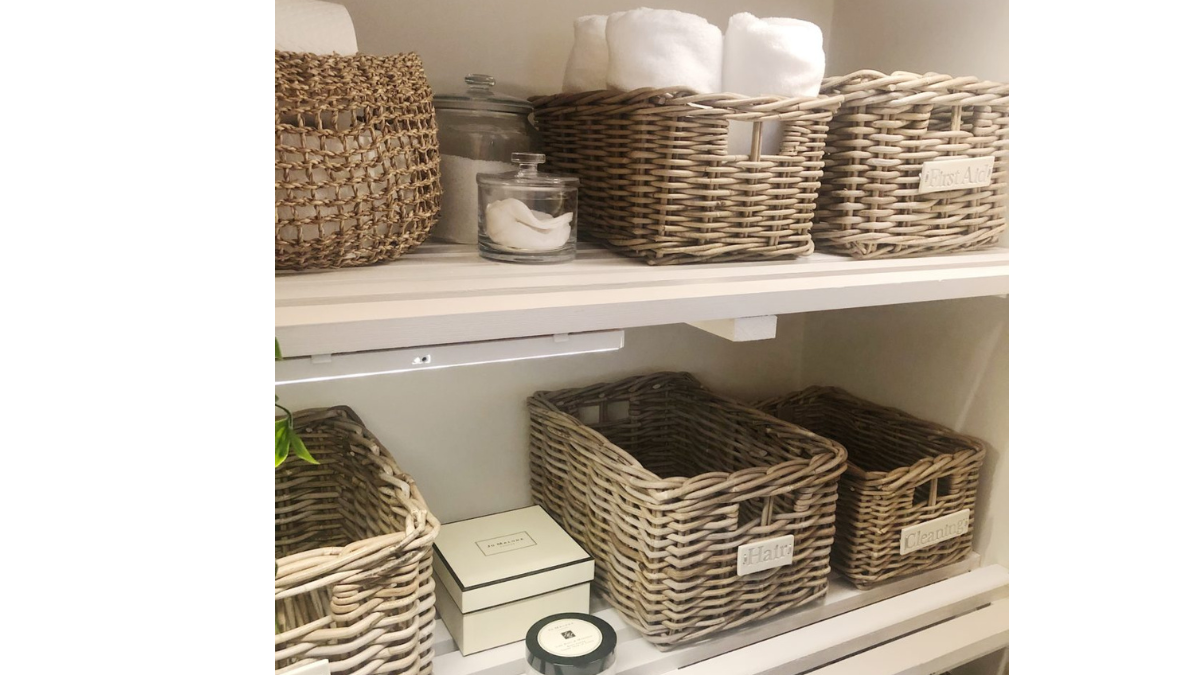
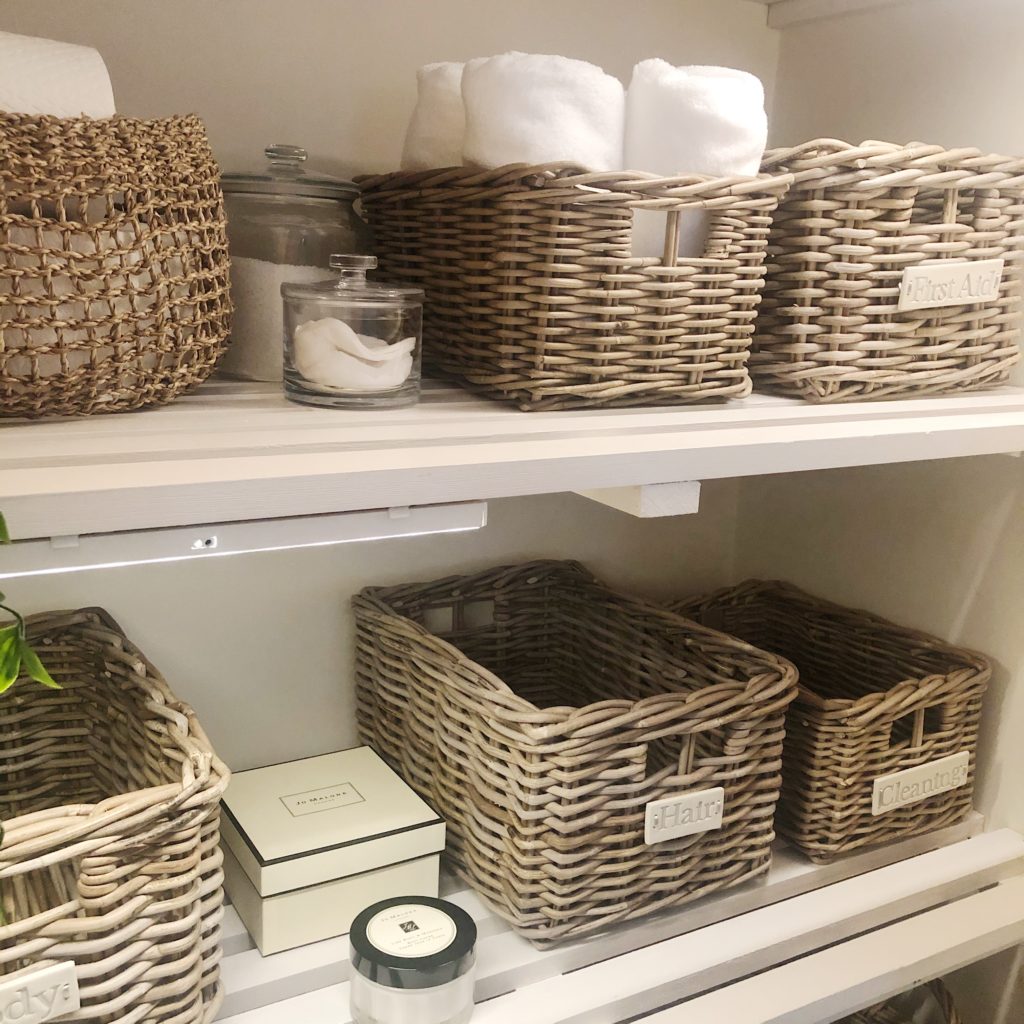
Having decluttered and now having an idea of what was to go where, neatness and having a system makes a difference. Each bedlinen set is neatly folded together with the sheets into one pillow case. No more digging around looking for pillow cases and sheets. (We’ve all been there right, especially when the children are poorly in the middle of the night!) These are now housed in their own basket, perfectly large enough to hold all our bedlinen.
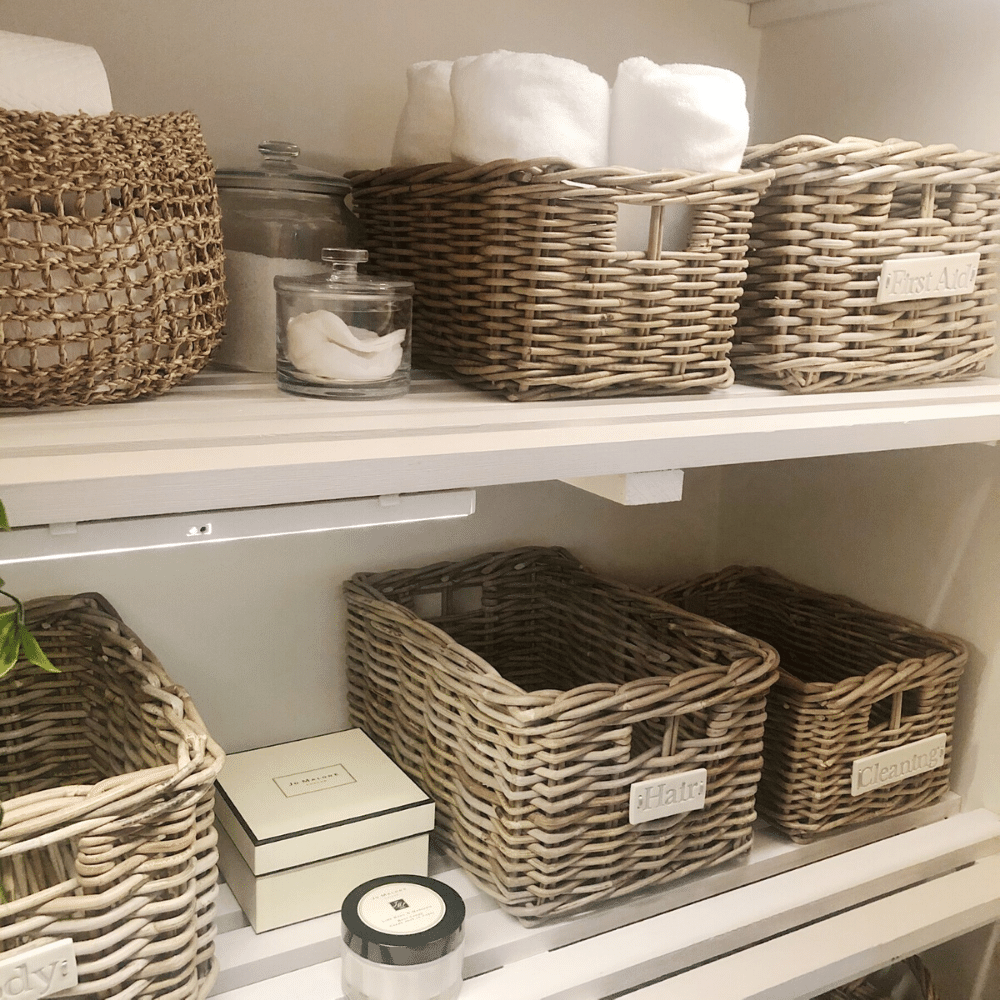
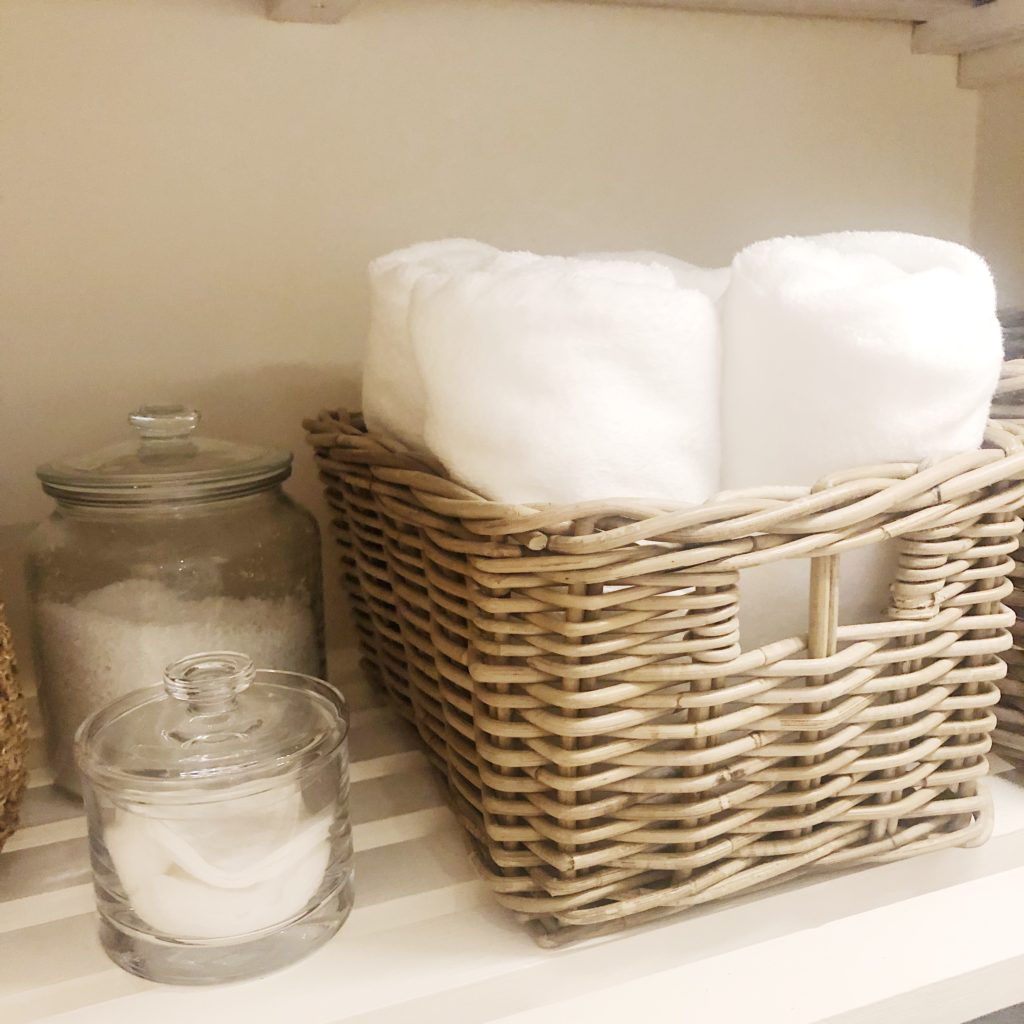
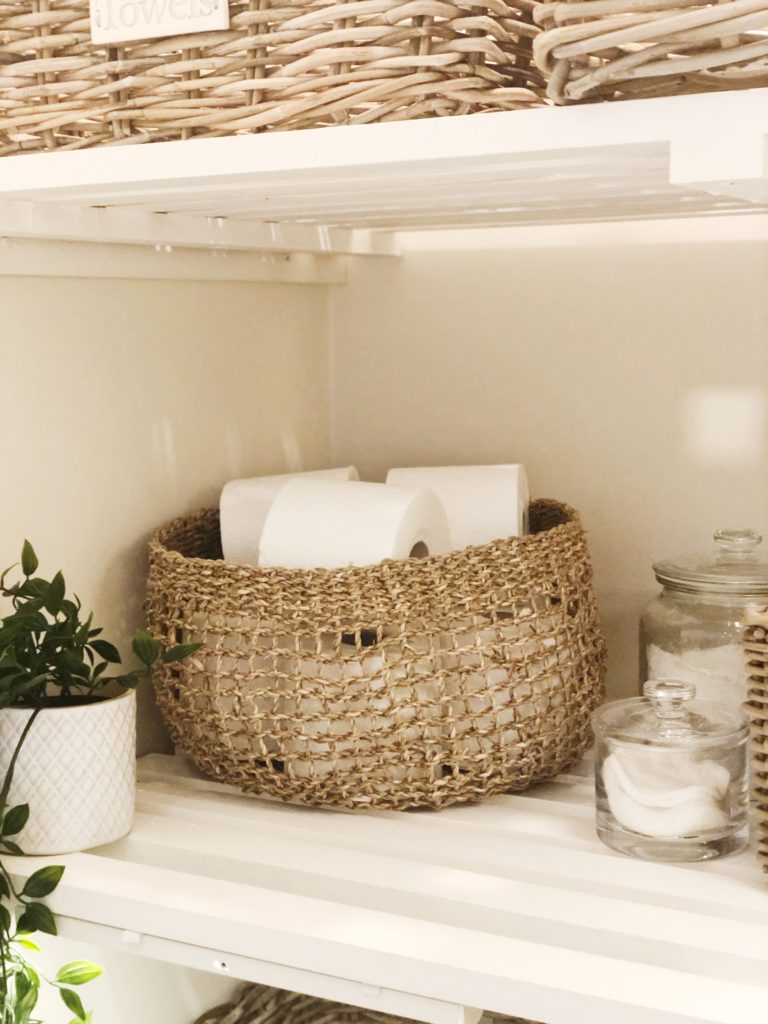
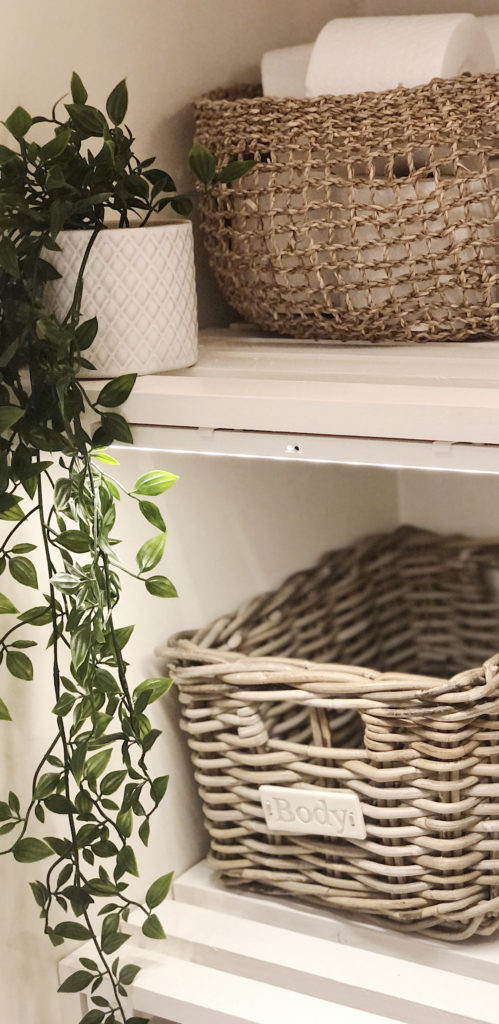
Hair, body, first aid, cleaning products and hand towels all have their own baskets as do our toilet rolls. I know that may sound a little over the top! However, if this area is to maintain a sense of calm and tidiness, everything needed had to have their own home and to be easily accessible. These have been placed in the middle shelves.
I adore jars, they not only are super for storage but they also add a different dimension and light. Here in the larger jar I’ve decanted my Magnesium (epson) Salts so we all know where they are after exercising!
Problems I encountered
Well thankfully only one and it’s a little one! The cupboard has a light at the top from the ceiling. It would have been really helpful to have sensory lights on each shelf so they activated as the door opened. I found some in Ikea, They were really reasonable and I bought one for each shelf.
Unfortunately, the door is too far away from the shelves due to the depth of the cupboard so they aren’t activated as soon as the door opens. However not all is lost, as soon as there is movement, the lights are activated. Not perfect, but not a huge problem either!
Everything in it’s place for optimal linen cupboard organisation.
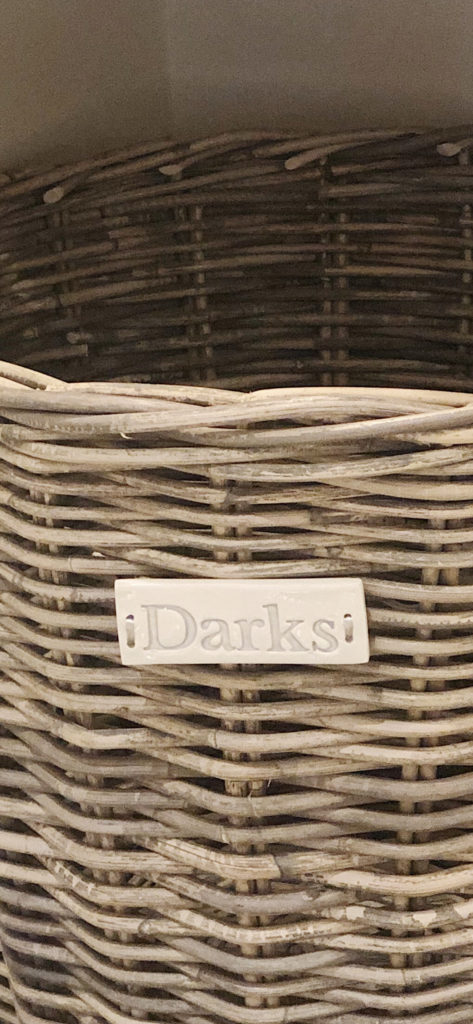
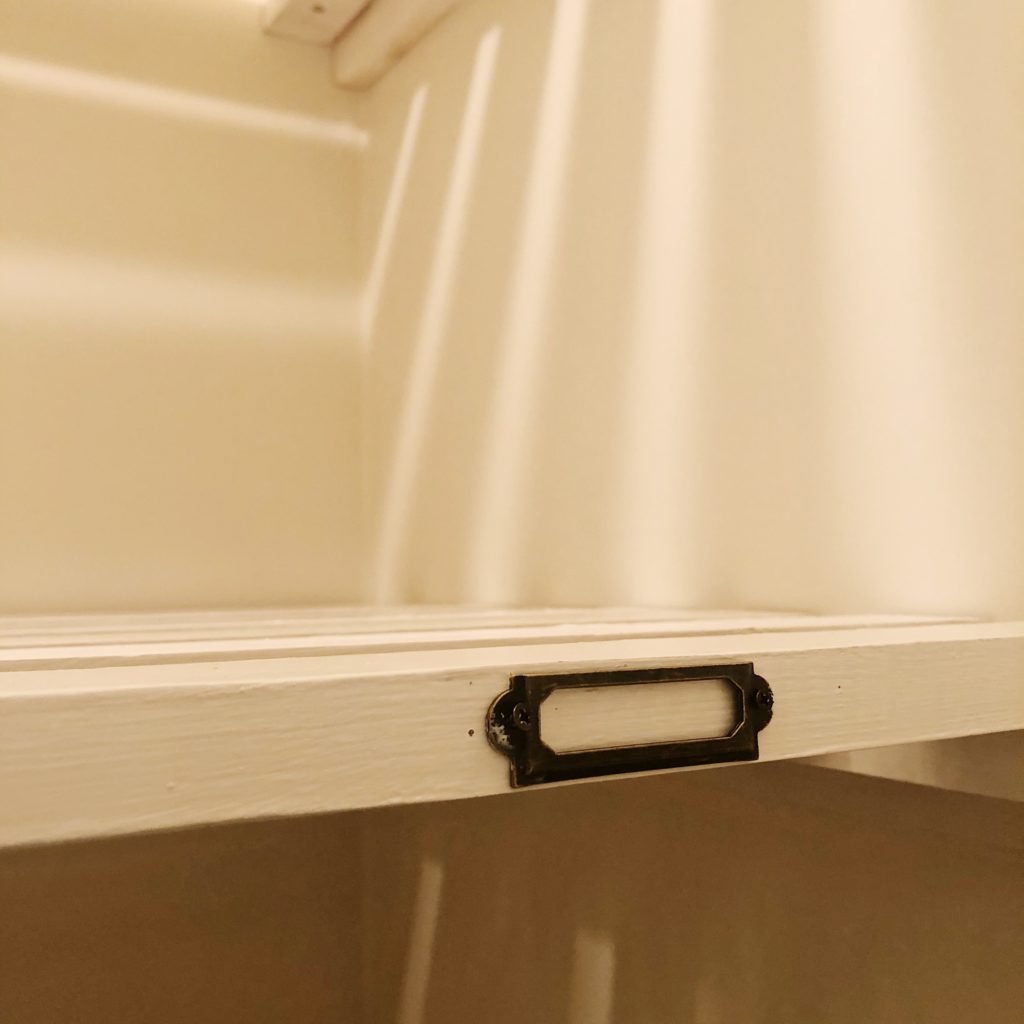
Having decided what to go where, the gorgeous clay tags from Fabaclay were the perfect finishing touch for the baskets. Where it wasn’t possible to use the clay labels, these antique brass metal file holders add a unique touch.
The linen cupboard makeover and organisation has been complete almost 2 months now. I can happily share that it works! We can all readily find what we need and yes the washing does end up in the correct basket! Honestly, it’s a joy to now going to the linen cupboard rather than having a “heart sink” moment each time I open the door. It’s currently my favourite cupboard in our house!
I’d love to know what you think in the comments below. Best wishes
I was delighted to hear that I’d won a giveaway with Fabaclay and the Basket Company as I was planning this project. It really helped the organisation of this makeover. I’m thrilled to say that both companies collaborated with me, with an instagram giveaway with The Basket Company and 5 tags gifted by Fabaclay.
.
Opinions, as ever, are wholly my own and 100% authentic.
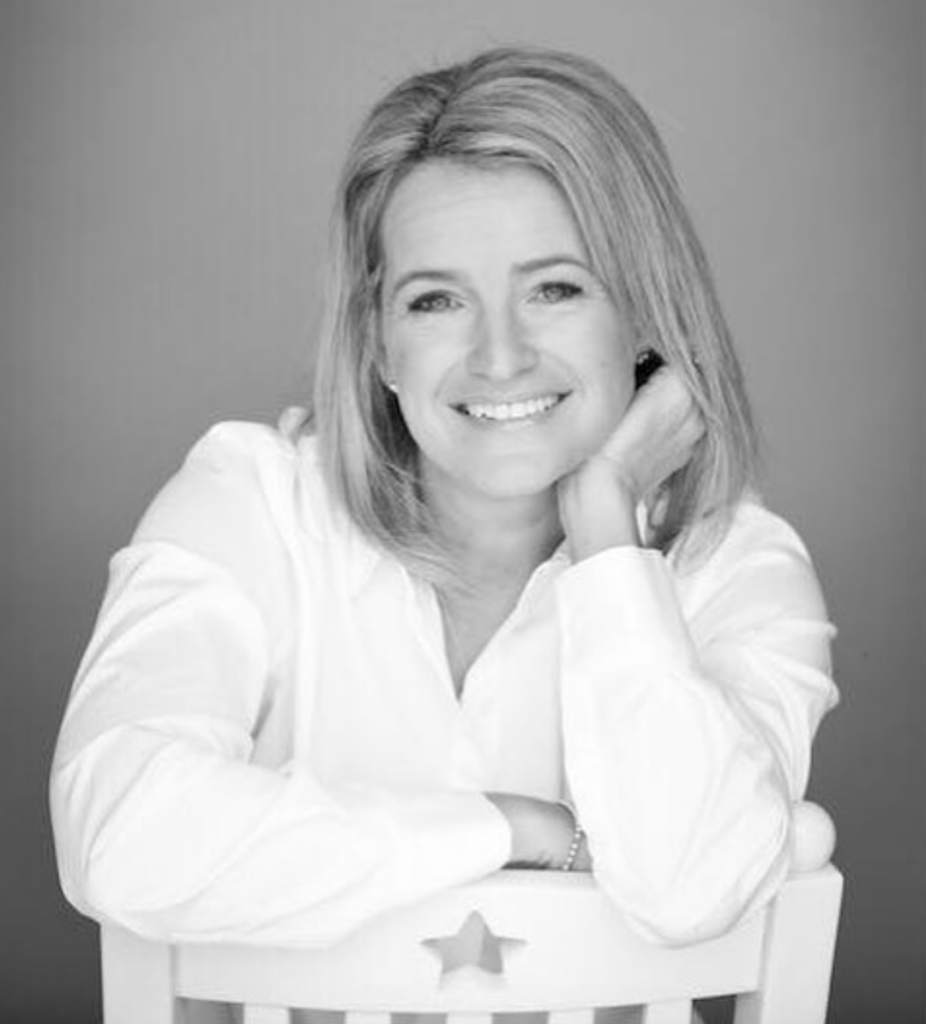
I’m the creator of Woman on a Mission, a lifestyle space dedicated to helping women bring more calm, confidence and balance into everyday life. Born from my own journey to slow down and live with greater intention, it offers inspiration around wellbeing, organisation, home and mindset, one meaningful mission at a time